
Brown Granite adds a warm, grounded tone while still feeling strong and professional in busy spaces. Have you been looking for a natural stone that gives depth and contrast without relying on bright colors? Brown Granite is often selected for floors, walls, stairs, and countertops because it blends an earthy palette with the hard-wearing nature people expect from granite. Let’s review the unique properties of this stone grade in detail.
When reliability matters, the supplier’s controls can determine whether the installed stone matches the approved sample. Brown Granite can shift in background warmth, grain density, and the visibility of small repairs after polishing. JAM Stone Co. is a trusted and experienced supplier of Brown Granite, managing sourcing, processing, and export preparation as one coordinated chain. Multi-stage inspections cover visual grading, calibrated thickness, surface flatness, edge integrity, and finish uniformity. Careful packing and batch labels help reduce surprises when the shipment reaches the site.
Brown Granite is a natural igneous stone formed when molten rock cools slowly deep underground, creating a tight, interlocked crystal structure. In trade, “brown granite” is usually a color category, not a single quarry name, so the appearance can move from light beige and tan to deeper coffee shades. Many selections look speckled, while others show larger round crystals or gentle swirls. The material is quarried as blocks and then processed into slabs, tiles, and custom-cut pieces for architectural and interior projects. In catalogs, it may appear under variety labels such as Baltic Brown, Tan Brown, or Coffee Brown.
Brown Granite is known for a dense structure and low water uptake, which supports stable performance in demanding areas. For dimension granite, bulk density is commonly in the 2,600–2,800 kg/m³ range, while water absorption is often ≤0.40% by weight (test method and quarry source can shift results). Because pores are mostly tight and closed, the stone tends to resist moisture movement when joints are detailed well. Compressive strength is commonly well above 100 MPa, and many specifications use minimum thresholds around ~130 MPa, while flexural strength is often in the high single digits to low teens (MPa) depending on thickness and the standard used. Hardness is usually around Mohs 6–7.
Brown Granite is mainly a mix of quartz and feldspar, with dark minerals such as biotite mica or hornblende adding contrast. The brown tone often comes from feldspar color, iron staining, or the balance between light and dark grains. Small amounts of accessory minerals may appear, but the overall structure is crystalline and tightly locked.
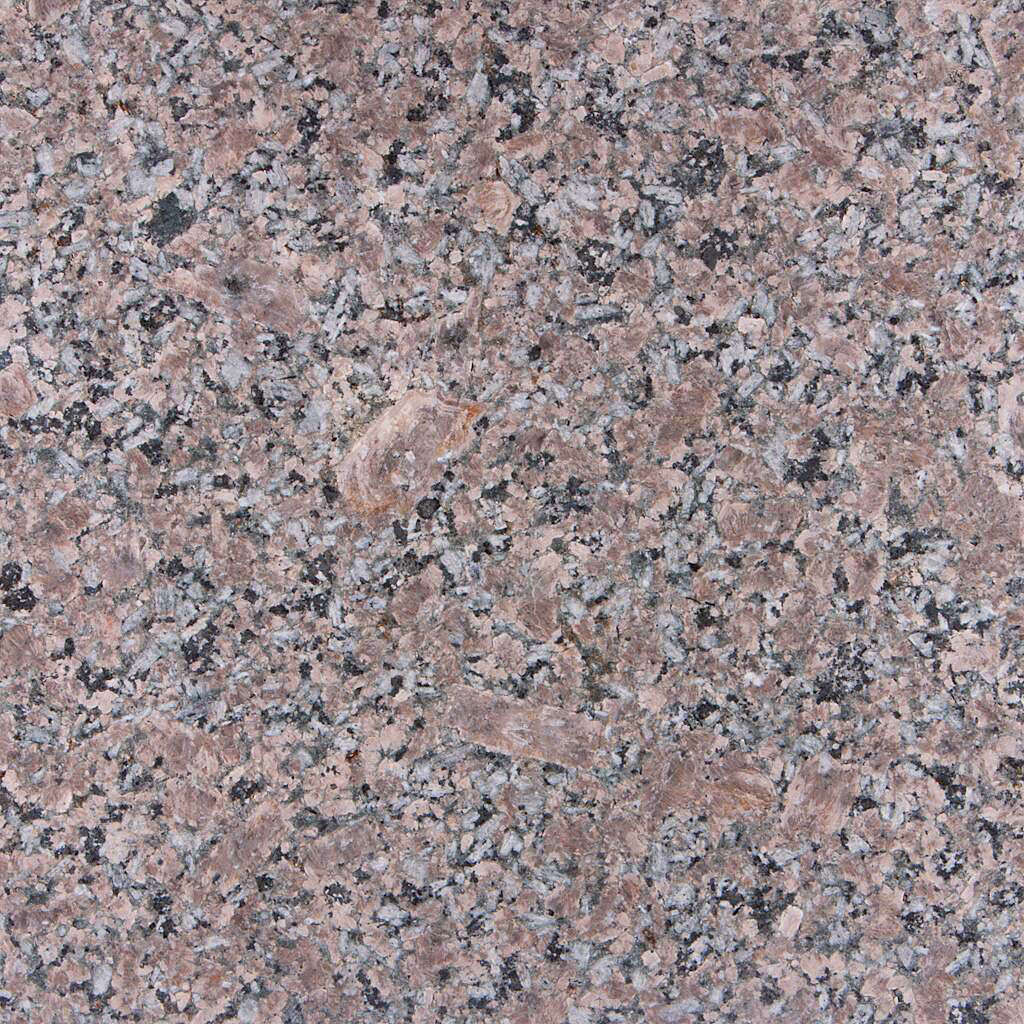
Most brown granites show a tan-to-chocolate base with black, grey, or bronze grains scattered through the surface. Instead of long “veins” like marble, the pattern is usually granular, though some varieties show flowing bands or clusters of larger crystals. Shade range can shift between blocks, so matching is planned by lot and approved samples.
Granite is typically high in bulk density, often around 2,560–2,800 kg/m³, and it tends to absorb little water compared with many other stones. Many specifications cite water absorption up to about 0.40% by weight for dimensional granite. Pores are mostly closed, but micro-fissures can exist and may be resin-treated.
Brown Granite usually falls around Mohs 6–7, which supports good scratch resistance in daily use. For structural performance, common granite specifications often use compressive strength minimums around ~130 MPa (or higher). Flexural strength is often specified around 7–12 MPa, with modulus of rupture criteria commonly near 10 MPa, depending on the standard used and the tested thickness.
Quality control focuses on fissures, pits, mineral pockets, and the visibility of repairs after polishing. Hairline fissures are common in many granites, but acceptable limits depend on the project’s visual and performance requirements. Buyers often specify that repairs must be stable, color-matched, and not concentrated in one area, especially near edges.
Brown Granite combines warm earth tones with a finishable surface that can shift from reflective to matte depending on the project needs. Polished slabs show depth and crystal contrast, while honed or leathered finishes reduce glare and can be easier to live with in busy interiors. For outdoor steps and paving, flamed or bush-hammered textures add grip and reduce slip risk. As a silicate-based stone, granite is far less prone to acid etching than carbonate stones, yet it can still stain, so cleaning habits and sealing plans matter. Overall performance depends on batch soundness, finish control, and correct detailing.
Brown Granite is not translucent, so its beauty comes from crystal contrast and the way a finish reflects light. Polished surfaces can reach high gloss readings in many QC programs, while honed finishes look calmer and show fewer smears. Leathered textures add depth without mirror shine, and flamed finishes create a crisp, outdoor-ready surface.
A polished brown granite surface feels smooth and cool because the stone is dense and conducts heat away from the hand. Honed finishes feel softer and more matte, while leathered finishes add mild texture that can improve grip. Some varieties show tiny pits where minerals release during finishing, so tight QC is used for premium grades.
Color in granite is generally stable under sunlight, so UV fading is not a typical concern compared with some engineered surfaces. Freeze–thaw resistance is usually strong when absorption is low and joints drain well, but de-icing salts and standing water can increase risk. Granite is not acid-sensitive like marble, yet staining and residue can still occur.
Granite is mostly silicate minerals and contains very little calcium carbonate compared with marble or limestone. Weak acids like lemon or wine rarely etch the surface, but they can leave marks if they carry pigments or oils. Strong chemicals, especially products containing hydrofluoric acid, can damage granite. Sealing is often used to reduce staining risk in kitchens.
Brown Granite is supplied in several formats, but realistic size limits depend on the block’s soundness and the fabricator’s cutting line. Slabs are commonly produced in 2 cm and 3 cm thickness for countertops and wall panels, while tiles are delivered in calibrated thickness to support clean installation. Cut-to-size pieces are made for stairs, façade panels, and custom patterns, with edges shaped to drawings. For exterior paving, thicker units and textured finishes are preferred to handle load and improve grip. If a project demands very large panels, slab selection and lot planning become critical.
Brown Granite slabs are commonly supplied for counters and wall panels in thicknesses around 2 cm and 3 cm, with sizes depending on block yield. Many programs target large, rectangular slabs to reduce seams, but exact dimensions vary by quarry and cutting line. For design approval, slabs are selected and grouped by shade and grain balance.
Granite tiles are used for floors and walls where a repeatable module helps installation. Common formats include square and rectangular options such as 30×30, 60×60, and 30×60 cm, often with calibrated thickness to keep lippage under control. Because brown granites can vary by lot, tile orders typically require batch control and sample sign-off.
Cut-to-size pieces cover stairs, thresholds, façade panels, and custom wall patterns made to drawings. Typical specs define thickness tolerance, edge profile, and surface finish, then add visual rules for shade range and mineral density. For exterior panels, drilling, kerfing, or anchoring details may be included, so fabrication accuracy becomes as important as stone quality.
Granite mosaics are usually supplied as small pieces mounted on mesh sheets for accents, backsplashes, and wet-area details. Since granite is hard, clean cutting matters to avoid chipping and irregular joints. For brown tones, a controlled blend is often preferred so the mosaic does not look patchy. Sheet flatness and adhesive quality are key checks.
Granite pavers are selected for outdoor walks and plazas because they handle abrasion well and keep edges stable under traffic. Thickness is increased for exterior use, commonly around 30–60 mm depending on load and bedding design. Textured finishes such as flamed or bush-hammered improve slip resistance. For cold climates, low absorption and good drainage details support performance.
Skirting and baseboards are cut to match the flooring batch so the perimeter looks continuous. Heights are set by design, often in the 7–12 cm range, with thickness aligned to the tile or slab program. Straightness and clean top edges matter because long runs can reveal waviness. Corners can be mitered or butted depending on the finish detail.
Granite blocks are the raw quarry output that determines slab size, recovery rate, and overall consistency. Sound, large blocks can produce bigger slabs with fewer seams, while fractured blocks increase waste and raise unit cost. For brown granite programs, stable block sourcing from the same extraction zone helps keep shade and grain density within the approved range across shipments.
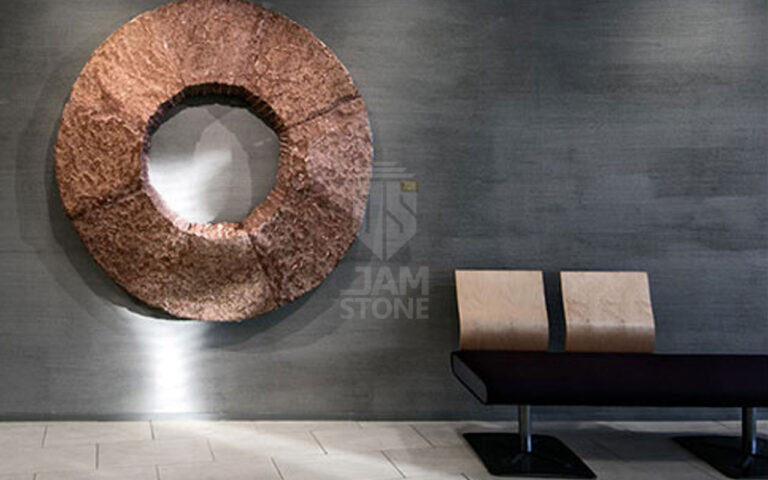
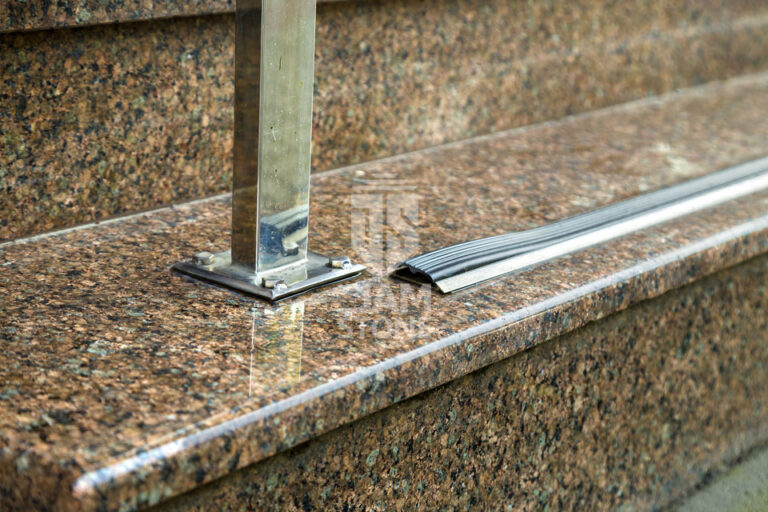
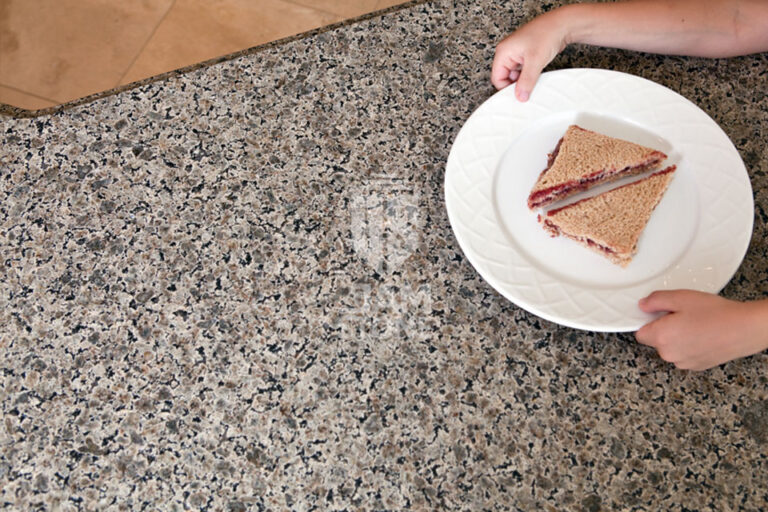
Brown Granite is a practical choice for both interior and exterior use because it is dense, hard, and generally low in water absorption. Indoors, it performs well as flooring, stair treads, wall cladding, and kitchen countertops, especially when a polished or honed finish is specified to control cleaning and appearance. Outdoors, it is widely used for steps, paving, plinths, and façade panels, provided the system design matches the load and anchoring requirements. For exterior walking surfaces, flamed, bush-hammered, or brushed textures are typically preferred to improve grip and reduce slip risk in wet or icy conditions.
The cost of Brown Granite depends on technical quality and supply-chain variables rather than the color label alone. Since “brown granite” covers many different sources and patterns, pricing can change widely between lots based on shade control, defect rate, and how efficiently blocks can be converted into usable slabs. Processing standards also play a major role, because premium polishing, tight thickness tolerances, and reliable packing reduce risk for buyers. In practice, the most useful way to evaluate cost is to compare offers using the same grade definition, finish, thickness, and delivery terms, then confirm batch consistency through samples and inspection.
Grade is primarily about visual and structural consistency. Buyers typically define acceptable shade range, grain distribution, and limits for fissures, pits, and repair visibility after finishing. Higher grades require tighter matching across the batch and cleaner faces, which reduces sorting losses. Clear grading rules also reduce disputes because the shipment can be checked against the approved reference sample.
Block size affects how many large, clean slabs can be produced without breakage. Sound, bigger blocks usually improve slab recovery and reduce the number of seams in the final installation, which can improve project value. Fractured or irregular blocks raise waste, increase the need for repairs, and limit maximum slab size, all of which influence the delivered cost.
Processing quality includes cutting accuracy, calibration, polishing depth, and repair stability. Tight thickness tolerances and surface flatness reduce installation issues such as lippage and uneven joints. High-quality resin treatment and controlled curing prevent repair zones from opening during transport or use. Better processing typically means more inspection time and lower reject rates on site.
Finish choice changes both production effort and performance. Polished finishes require consistent abrasion steps to reach uniform gloss, while honed finishes need even texture without swirl marks. Outdoor textures such as flamed or bush-hammered add extra processing and reduce slip risk. Leathered finishes can highlight crystals but require controlled brushing so the surface does not look patchy across slabs.
Thickness and piece size influence material consumption, handling risk, and packaging design. Thicker slabs and large panels increase weight and can require stronger crates and more careful loading. Very large cut-to-size pieces may need stricter flatness control to avoid cracking during transport. For pavers, thicker units are often specified for load and bedding conditions, which increases stone usage.
Delivered cost depends on distance to port, container utilization, packaging weight, and lead time. Availability also matters: if a project requires tight shade matching, the supplier may need more time to select blocks from the same extraction window. Seasonal shipping constraints, route changes, and customs requirements can influence logistics planning, so buyers compare offers using clear delivery terms and timelines.
Brown Granite supply begins with controlled extraction, where blocks are separated from the rock mass and visually assessed for fractures, color warmth, and grain balance. After trimming and marking, selected blocks are transported to the processing plant and cut into slabs using gang saws or multi-wire lines, depending on the factory setup. Slabs may receive resin treatment if micro-fissures or tiny pits need stabilization, then they move through polishing or other finishing lines. At this stage, thickness is calibrated and surface flatness is checked so the material performs predictably during installation.
Before shipment, the finished batch is graded again under strong light to confirm shade range, pattern consistency, and repair visibility across all pieces. Edges are checked for integrity, and cut-to-size items are verified against drawings, including tolerances, corner geometry, and finish type. Packing is designed to prevent movement: slabs are placed in reinforced wooden bundles or A-frames, while tiles and smaller pieces are packed in wooden crates with separators and protective films. Crates are labeled by batch and piece code, then loaded into containers with bracing to reduce vibration and impact during transit.
For installation, a high-quality cement-based thin-set adhesive suitable for natural stone is commonly used, selected based on whether the application is interior, exterior, or wet-area. In high-movement zones or exterior settings, polymer-modified systems are often specified to improve bond performance, while white adhesives can be preferred where staining risk is a concern. Grout widths are typically set to match tile size and substrate flatness; many projects use around 2–5 mm for interior tiles, while exterior paving often needs wider joints to manage drainage and movement. Movement joints should follow standard construction practice for long runs.
For daily care, use pH-neutral cleaners and avoid harsh acids or products marketed as heavy “rust removers,” as some aggressive chemicals can damage stone or dull the finish. Sealing is usually recommended where staining risk exists, such as kitchen counters or food-service areas, but the best cycle is performance-based: re-seal when a simple water-drop test shows faster darkening instead of beading. Typical pitfalls include leaving grout haze to cure on the surface, using abrasive pads that scratch a polish, and allowing oil or pigment spills to sit. Fast wipe-downs and routine cleaning prevent most issues.
JAM Stone Co. manages Brown Granite through integrated operations that connect sourcing, factory processing, and export readiness in one controlled chain. The company maintains long-term relationships with reputable mine owners in established stone-producing regions of Iran, which helps keep raw block access stable for ongoing projects. In production, modern lines such as waterjet cutting, calibrated sizing, and precision polishing are used to achieve consistent geometry and finish. In-house quality labs verify grading rules, thickness tolerances, and surface results so each lot stays aligned with the approved reference. In this structure, JAM Stone Co. acts as a provider of Brown Granite with measurable batch-to-batch consistency.
Global buyers typically need predictable quality, flexible ordering, and logistics discipline in one package. JAM Stone Co. supports this by running multi-stage inspections that include visual grading, surface flatness checks, edge integrity control, and finish uniformity review before packing. For projects with compliance requirements, documentation and testing can be coordinated to align with common international expectations (such as ISO- and CE-related procurement needs, where applicable). Order programs can scale from smaller trial quantities to full-container volumes, with customization support for client-specific cutting lists and edge profiles. With secure crating and export coordination, JAM Stone Co. operates as a supplier of Brown Granite for varied procurement models.
Because “Brown Granite” is a color family rather than a single quarry name, JAM Stone Co. controls raw material supply through direct access arrangements with selected granite quarries and vetted mine owners in Iran. For each project, blocks are sourced from consistent extraction zones to keep background warmth and grain density within agreed limits, reducing batch drift across shipments. This approach functions like a strategic reserve model: availability is planned around the required shade range and defect limits, not only volume. Where site practices allow, extraction is managed with attention to responsible block recovery and waste reduction to improve long-term supply stability. In this framework, JAM Stone Co. serves as an exporter of Brown Granite with controlled provenance by batch.
JAM Stone Co. packs Brown Granite to protect surfaces, edges, and geometry during long-distance transport. Slabs are secured in strong wooden bundles or A-frames with foam sheets and corner protectors, while tiles and cut pieces are separated and boxed inside reinforced crates to reduce chipping. Moisture-resistant wrapping is used where needed, and packing style can shift between bulk palletizing or individual crating based on destination handling. Container loading is planned to optimize space, lower damage risk, and limit movement in transit. Each crate is labeled with practical identifiers such as product code, batch number, finish, thickness, and piece references for site checking.
is a natural stone characterized by its rich brown hues, which can range from deep chocolate to lighter tan shades.

Brown Granite has a strong presence in international markets, favored for its aesthetic appeal and versatility. It is commonly used in both residential and commercial projects across the globe. Its popularity extends to regions such as North America, Europe, and Asia, where it is utilized in a variety of applications, including countertops, flooring, and exterior cladding.