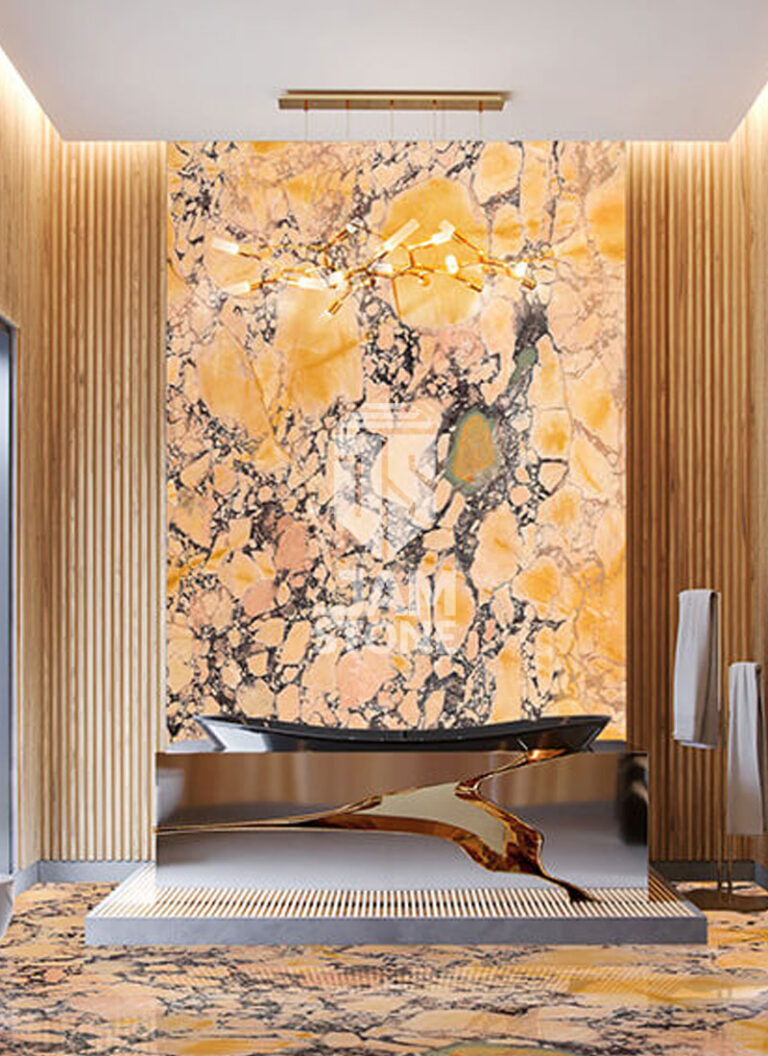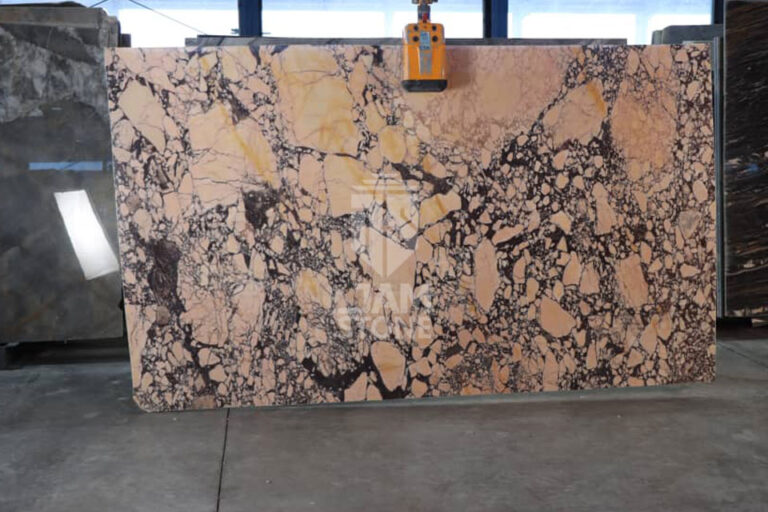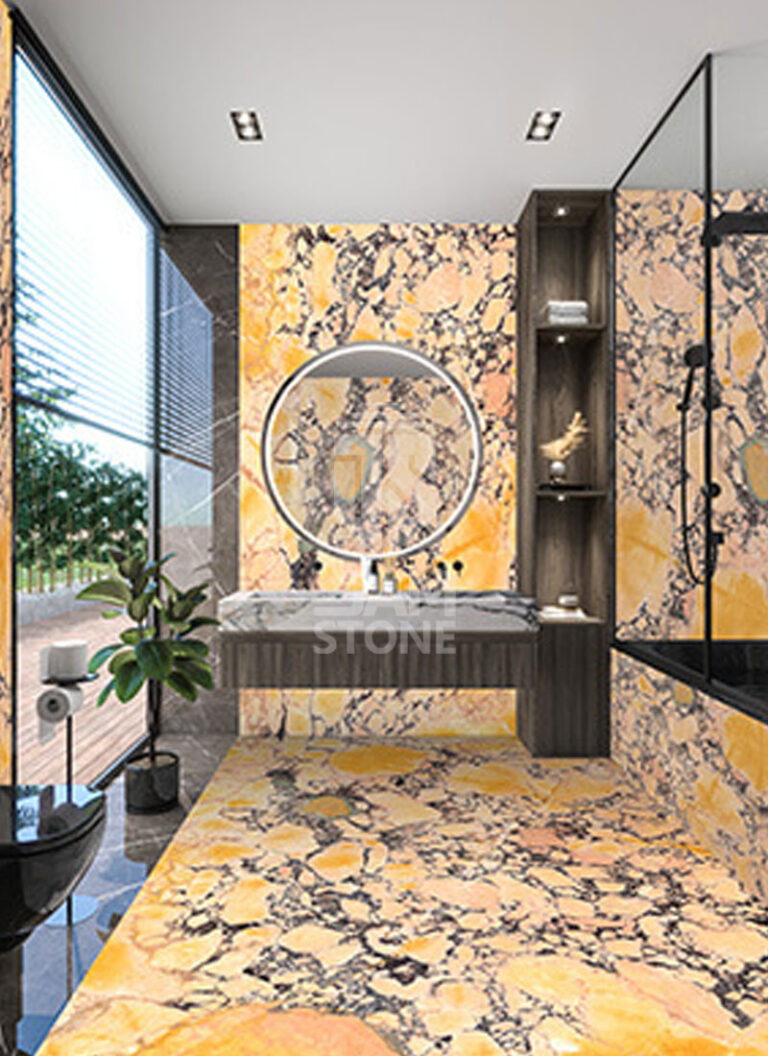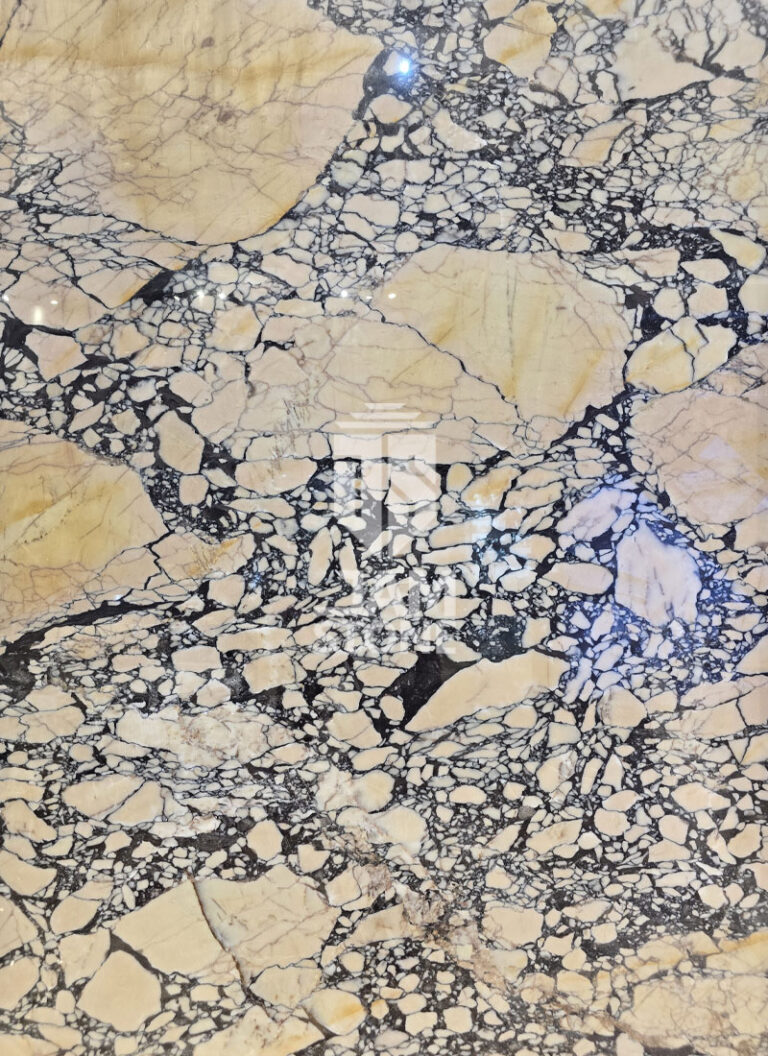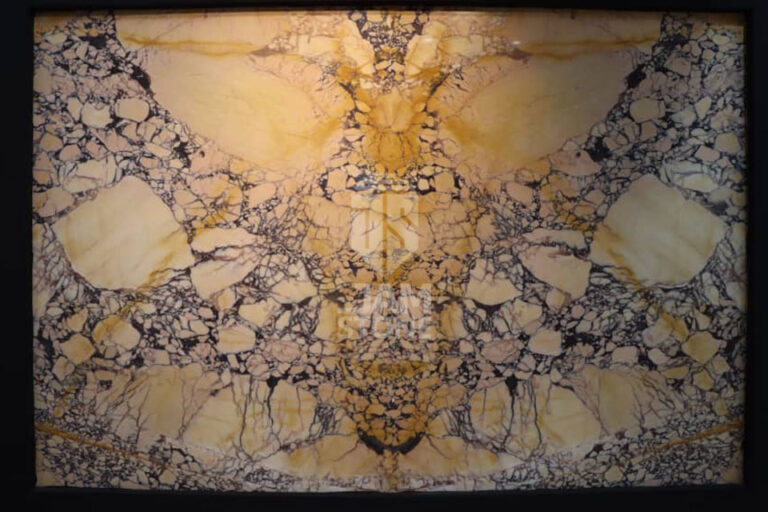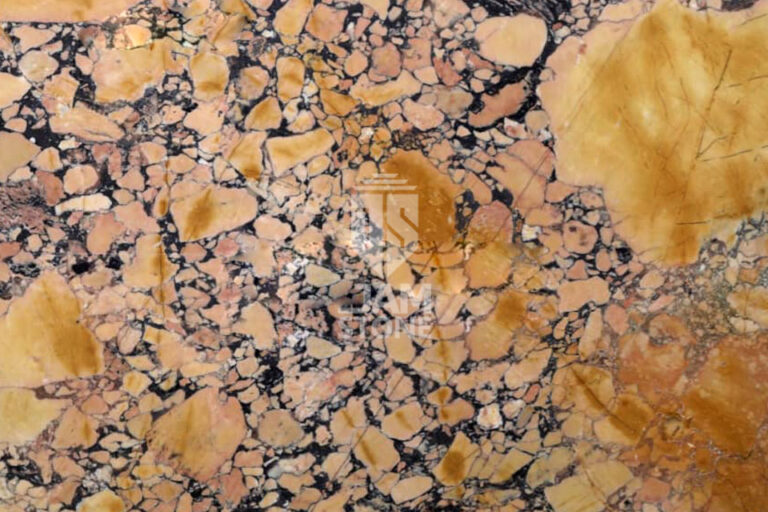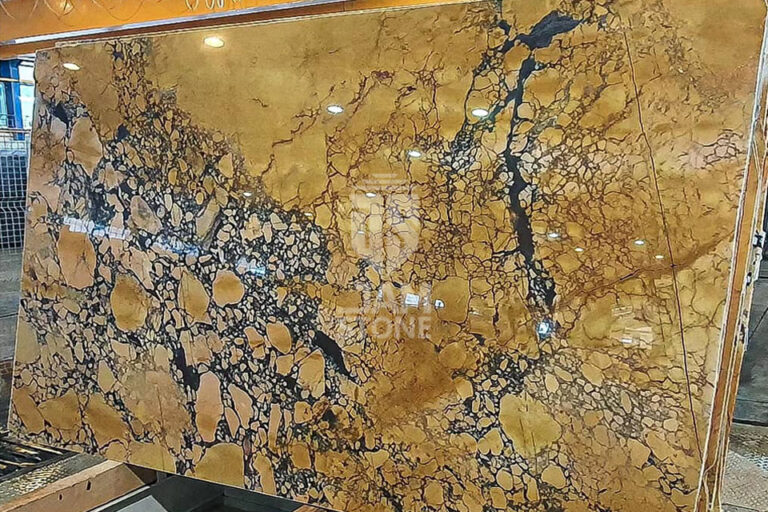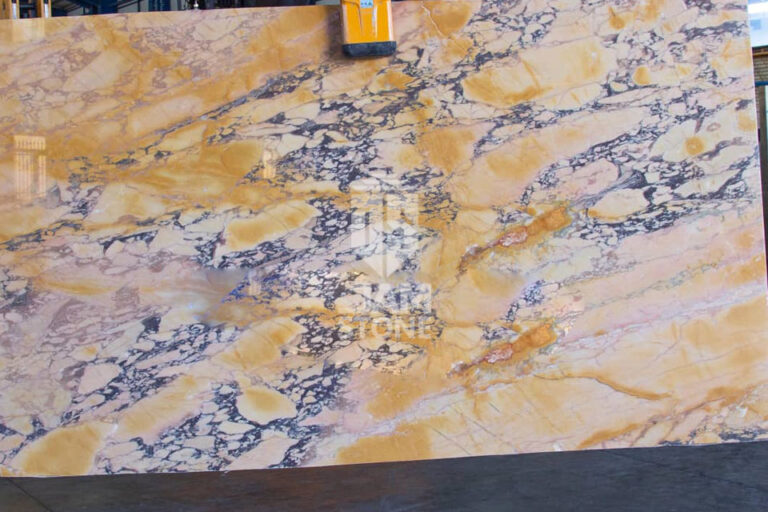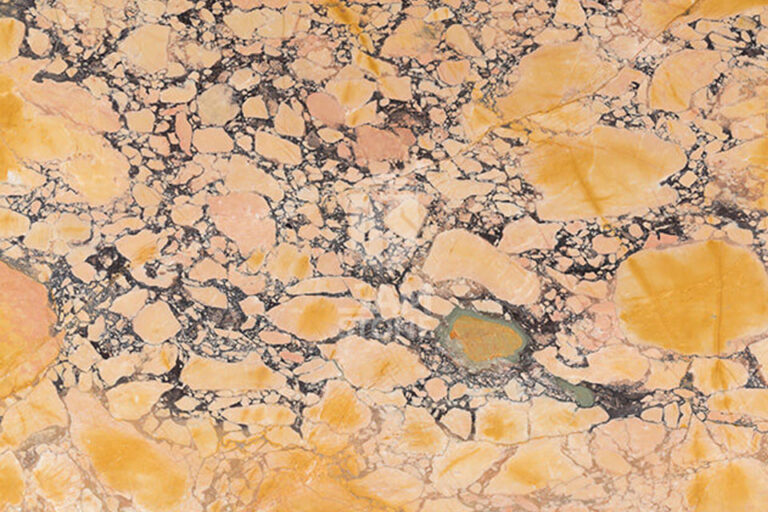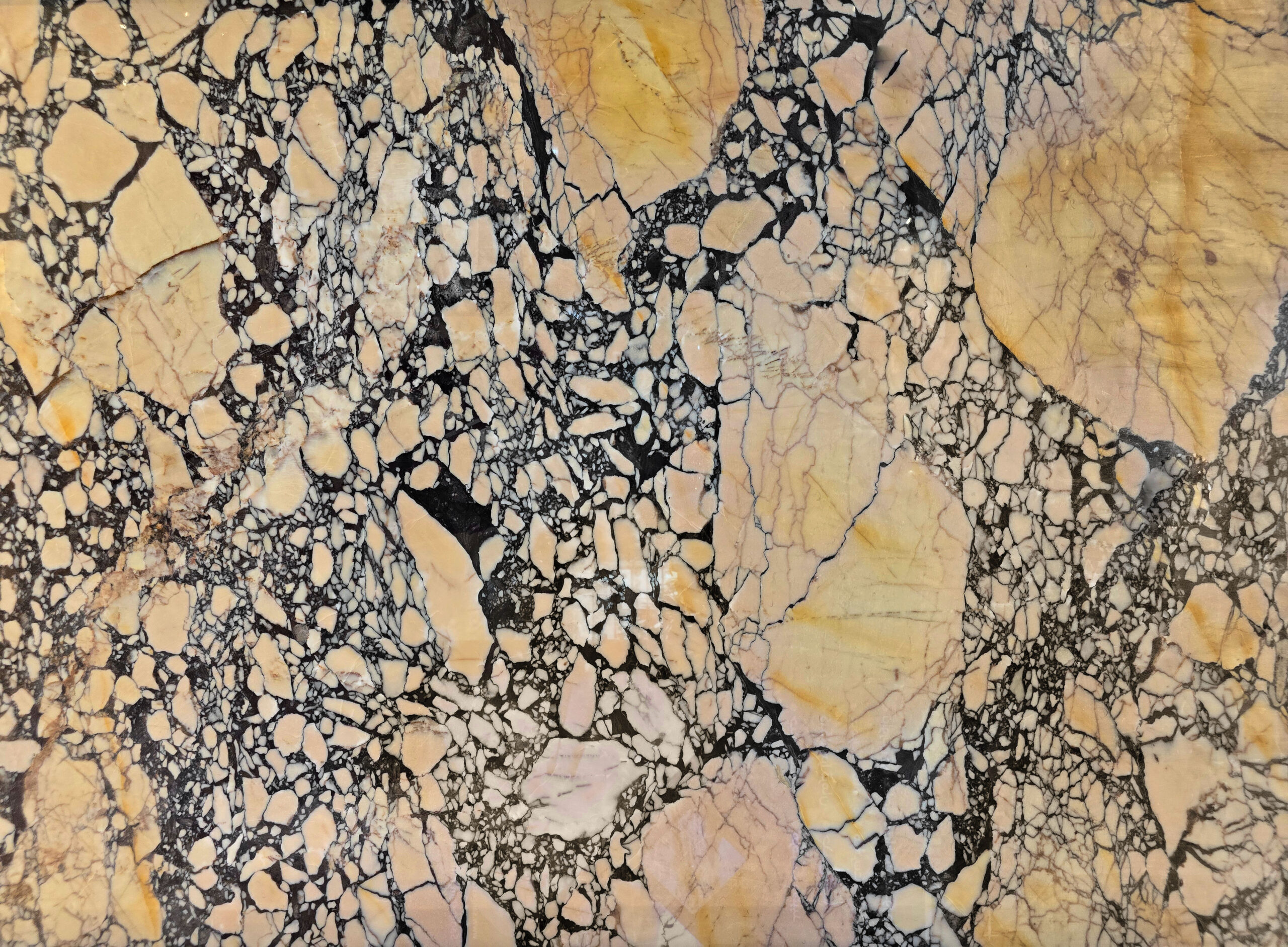
Leopard Marble stands out immediately due to its chaotic yet mesmerizing patterns, which define its unique character in the world of natural stone. Have you ever walked into a room where the floor itself seemed to be a piece of living art? This material captures that wild feeling, offering an aesthetic that mimics the skin of a leopard with irregular, contrasting spots. It brings a raw, organic energy to spaces that plain beige tiles simply cannot match. Designers use it to create bold statements in hotel lobbies and luxury homes. By choosing this material, you invite nature’s untamed beauty into your daily environment, creating a lasting impression on every guest.
Sourcing natural stone can be risky if the supplier lacks transparency or technical experience, leading to delays or quality issues. Nothing is worse for a project than receiving a shipment that does not match the sample you originally selected. JAM Stone Co. eliminates these worries by acting as a dependable partner for your architectural projects. We specialize in providing high-quality Leopard Marble, ensuring that every slab meets rigorous standards of clarity and strength. Our team understands the nuances of this specific stone, from its extraction to its final delivery. With us, you gain a partner dedicated to consistency and professional service.
Leopard Marble is a sedimentary rock, geologically classified as a conglomeratic limestone, known for its distinctive spotted appearance. The stone features circular or irregular shapes that resemble the coat of a leopard, set against a grey, brown, or cream background. These patterns are often formed by rounded clasts or mineral aggregates encased in a matrix millions of years ago. Unlike uniform white marbles, this variety offers high contrast and visual texture. It is quarried in large blocks and then processed into various finishes to enhance its unique “animal print” look for decorative use.
Structurally, this stone shares the robust properties of high-density limestones found in the region. It is compact and durable enough for most interior applications, capable of taking a high polish without losing its integrity. The stone typically has a specific gravity around 2.7 grams per cubic centimeter, making it heavy and solid. While it is strong, the variation in its texture means that water absorption can vary slightly between the background and the spots. Therefore, understanding its physical makeup is crucial for installation. It resists normal wear well but performs best when properly treated to handle moisture and daily use.
It is primarily composed of calcium carbonate minerals, specifically calcite and dolomite, which form the base matrix. The unique spots are frequently magnesium-rich or dolomitic clasts that stand out against the background. Depending on the specific quarry layer, the stone may also contain minor veins of quartz or iron oxides. These additional minerals contribute to the overall hardness and the variation in color intensity.
The base color usually ranges from light grey to warm beige or reddish-brown, depending on the block. The defining feature is the network of darker, circular “leopard” spots or halos. These patterns are irregular and randomly distributed, ensuring that no two tiles look exactly the same. This randomness provides a truly unique surface that serves as art, with high contrast between the spots and the matrix.
The bulk density is approximately 2.7 g/cm³, indicating a very solid and compact material. Water absorption rates are generally low to medium, typically around 0.3% to 0.6% by weight. However, the boundaries between the spots and the matrix can be slightly more porous than the rest. This means the stone generally requires resin treatment or sealing to minimize liquid penetration and ensure long-term durability.
On the Mohs scale of mineral hardness, it ranks between 3 and 4, which is standard for calcareous stones. The compressive strength is high, often ranging between 900 and 1,100 kg/cm², allowing it to support significant weight in flooring. However, it is softer than granite and can be scratched by steel or sharp metallic objects. This combination of strength and workability makes it versatile for many cuts.
High-quality grades are relatively free of open holes, but natural pitting is common in the raw state due to the different hardness of the aggregates. The stone may contain thin clay veins or stylolites that look like cracks but are actually natural geological features. Manufacturers often fill these micro-voids during processing to ensure a smooth, unbroken surface. Visual inspection is key to ensuring these natural traits do not compromise the structural integrity.
Visually, Leopard Marble is a showstopper that demands attention in any setting where it is installed. Its busy pattern works best as a feature element rather than a background filler. The stone polishes to a glossy sheen, which deepens the contrast between the light and dark areas. However, owners must be aware of its chemical sensitivity. Like all calcium-based stones, it reacts with acids found in household items. This means that functionality must be balanced with aesthetics; it is beautiful but requires care to maintain its finish over time.
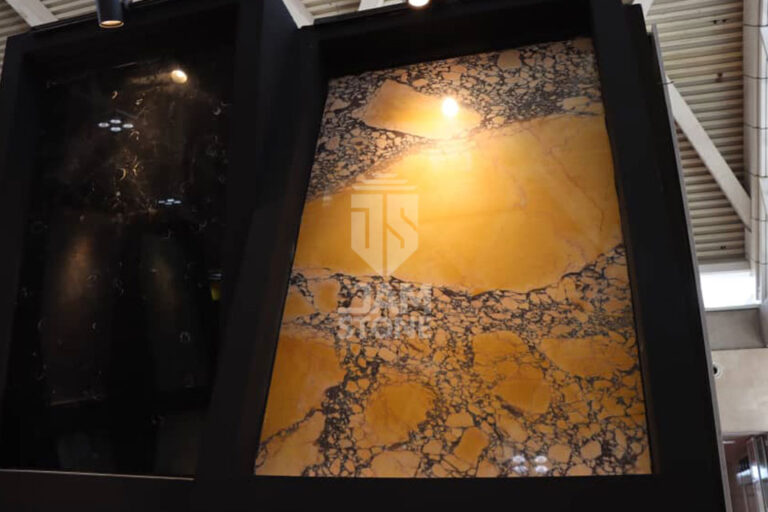
The stone is prized for its dramatic, high-contrast look that mimics animal prints. When polished, the colors become vibrant and the spots appear to float on the surface. Honed finishes soften this effect, making the stone look more muted and antique. Some rare blocks may exhibit slight translucency in the lighter crystalline sections, adding depth and complexity to the visual texture under light.
A polished finish provides a glass-like, cool smoothness that is pleasing to the touch. If the stone is brushed or tumbled, the texture becomes tactile and organic, highlighting the difference in hardness between the spots and the background. It generally retains a cool temperature, making it ideal for warm climates, though the surface finish dictates how “soft” or “rough” it feels underfoot.
While the stone is durable, prolonged exposure to direct sunlight can cause the darker pigments to fade slightly over many years. It has low resistance to freeze-thaw cycles; water trapped between the matrix and the spots can cause spalling in freezing conditions. Therefore, it is strictly recommended to use it in covered or mild outdoor areas where temperatures do not drop below freezing.
Being a calcareous stone, it contains a high percentage of calcium carbonate minerals. This makes it highly reactive to acidic substances like lemon juice, vinegar, or harsh bathroom cleaners. Contact with these fluids will cause etching, which leaves dull marks on the polished surface. Regular sealing helps, but does not prevent acid damage, so prompt cleaning of spills is always the best defense.
Suppliers offer this material in a variety of shapes to suit different construction needs and preferences. The most common format is large slabs, which allow the expansive pattern to be viewed without interruption. Standard thickness options are usually 2 centimeters for walls and 3 centimeters for countertops or heavy traffic floors. Smaller tiles are also produced, though they break up the continuous flow of the leopard print. Blocks are extracted from the quarry and can be cut to specific dimensions for custom architectural elements like stairs or window sills.
Large slabs are the premium choice, typically measuring around 240 by 140 centimeters or larger depending on the block. They come in standard thicknesses of 20mm and 30mm for different applications. These large formats are essential for feature walls or flooring where the goal is to showcase the continuity and grandeur of the stone’s wild pattern without too many distracting grout lines.
Standard tile sizes include 30×60 cm, 60×60 cm, and occasionally 80×80 cm for larger rooms. Tiles are easier to transport and install than full slabs, making them cost-effective. They are calibrated for even thickness and often beveled at the edges. However, the busy pattern of the stone can look disjointed if the grout lines are too prominent or if the layout is not planned.
Factories can cut the stone to precise project requirements based on architectural drawings. This includes custom dimensions for stair treads, risers, and vanity tops. This service minimizes waste on the job site and ensures that the pieces fit perfectly into specific areas. It is ideal for commercial projects requiring uniform, non-standard sizes that cannot be achieved with off-the-shelf tile formats.
Off-cuts and smaller pieces are often converted into mosaic sheets for decorative use. These are usually mounted on mesh backings for easy installation on curved or flat surfaces. Mosaics are excellent for shower floors or backsplashes, adding a textured, detailed look. The small size of the chips helps to blend the color variations into a cohesive overall design that is less overwhelming than full slabs.
Thicker slabs, often 3cm to 5cm, can be produced for exterior paving needs. These are usually given a textured finish, such as sandblasted or bush-hammered, to provide slip resistance. They are typically smaller in dimension than interior slabs to reduce the risk of cracking under heavy loads or ground movement. This format allows the stone to be used in patios or walkways in non-freezing climates.
Matching skirting boards are available to complete a flooring project seamlessly. These are typically cut to heights of 7 to 10 centimeters with a polished or honed top edge. They protect the wall from scuffs and provide a clean visual transition between the Leopard Marble floor and the wall surface. This detail adds a finished, high-end look to any room installation.
Raw blocks are available for large-scale processing plants or sculptors to purchase directly. These rectangular masses of stone can weigh between 15 to 25 tons. Buying in block form allows factories to control the cutting direction and slab thickness. It is the most economical option for very large projects that have their own cutting facilities and want to manage the yield personally.
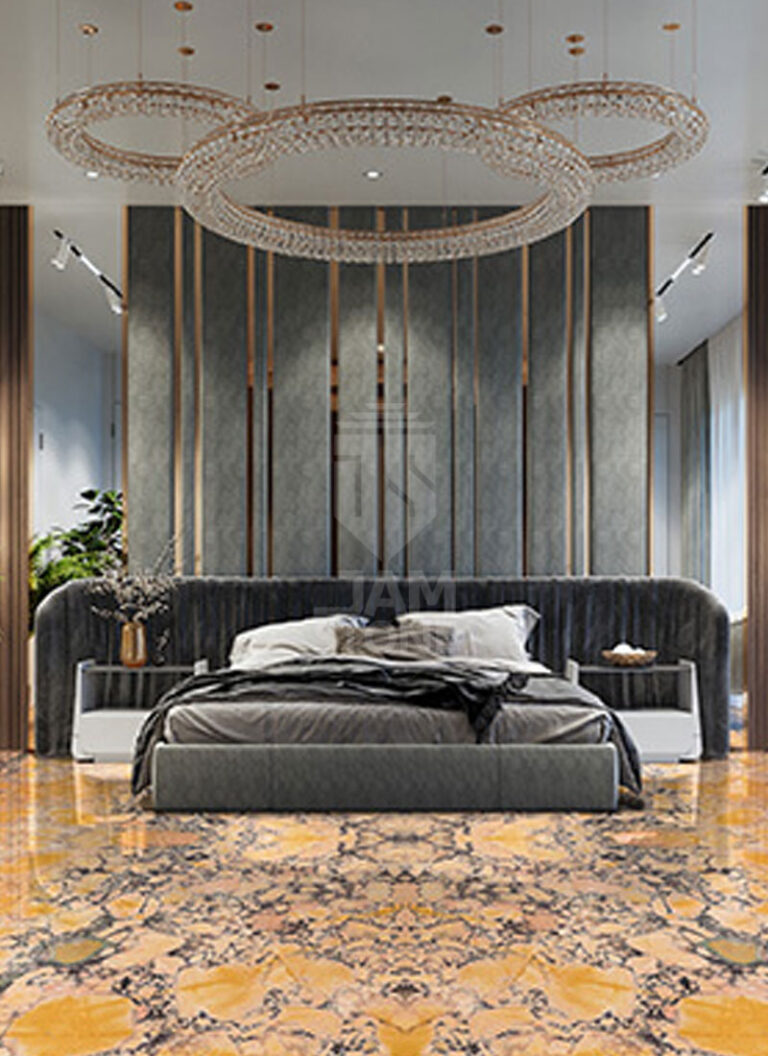
Due to its bold appearance, this stone is frequently used in areas designed to impress or shock. It is a popular choice for hotel lobbies, luxury retail stores, and expansive residential living rooms. While it is durable enough for flooring, it is also suitable for wall cladding when mechanically fixed or properly adhered. In bathrooms, it creates dramatic vanity tops or shower walls. However, because it can be etched by acids, it is less common for busy kitchen countertops unless the owner is willing to accept a patina of wear over time.
The cost of this natural material varies significantly depending on several quality factors and market conditions. It is generally considered a mid-to-high-range stone, but prices fluctuate based on current quarry yields. You should not expect a fixed price list, as every bundle of slabs is evaluated individually. Factors such as the clarity of the background, the definition of the spots, and the overall size of the slab play a huge role. Transportation costs from the source country also impact the final price delivered to your warehouse.
Premium grades feature a clean, uniform background with distinct, well-distributed spots. Lower grades may have washed-out colors, large mud veins, or irregular patterns that are considered less desirable. The visual consistency of the bundle directly dictates the tier it falls into and the price you will pay. Buyers often pay a premium for bundles that are perfectly color-matched.
Larger blocks that produce rectangular, defect-free slabs are rarer and more expensive. If a block has many internal cracks, it yields fewer usable square meters, increasing the waste factor. High-yield blocks allow for larger average slab dimensions, which always command a higher market price per square meter. The efficiency of the block directly impacts the bottom-line cost.
The quality of the resin, mesh, and polishing pads used affects the cost. High-quality epoxy resin treatments that effectively fill micropores and strengthen the slab add to the production cost. A mirror-like polish achieved with premium abrasives takes more time and money than a standard commercial hone. Investing in superior processing results in a more durable and attractive product.
Standard polished or honed finishes are usually the most economical options. Specialized textures like leathered, bush-hammered, or sandblasted require additional machinery passes and processing time. These complex finishes increase the labor and tooling involved, thereby raising the final cost of the product compared to simple smooth surfaces. The choice of finish can significantly alter the budget.
Thicker slabs (3cm) contain 50% more material than standard 2cm slabs, increasing both the material cost and the shipping weight. Similarly, non-standard large tiles or oversized cut-to-size pieces require more raw material and generate more waste during cutting, which is reflected in a higher price. Standard sizes are almost always more budget-friendly than custom dimensions.
Logistics significantly influence the final landed cost of the stone. Shipping heavy stone containers from the quarry to international ports involves freight charges, insurance, and duties. If the quarry is located in a remote region or if fuel prices are high, the transportation component can become a major part of the total expense. Availability of containers also affects timing and price.
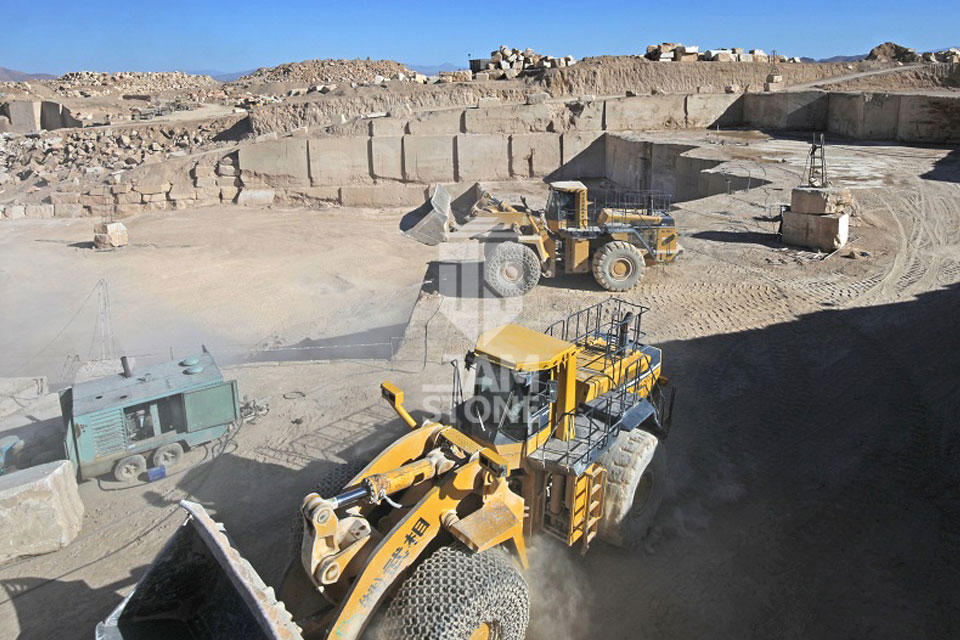
The journey begins in the mountains where massive deposits of this sedimentary rock are located. Expert quarrymen use diamond wire saws to slice large rectangular blocks from the bedrock. This method is gentle and preserves the integrity of the stone. Once extracted, the blocks are inspected for cracks and color consistency. Only the blocks that meet export standards are selected for transport to the processing factories, while others are used for local aggregates.
At the factory, the blocks are cut into slabs using gang saws or multi-blade cutters. These raw slabs then undergo a resin treatment process. Because this stone is a conglomerate, it often has tiny natural voids; epoxy resin is applied to fill these and reinforce the structure. Finally, the slabs move to the polishing line, where a series of abrasive heads grind the surface to the desired finish before they are crated for shipment.
Proper care starts with installation. It is vital to use high-quality, light-colored thin-set mortar to prevent staining from behind the tile. Once installed, the stone must be sealed with a penetrating impregnator. This barrier prevents liquids from soaking into the porous spots. You should re-apply this sealer every year or two, depending on how much traffic the area receives. Regular sweeping is also important to remove grit that could scratch the polished surface.
For daily cleaning, avoid generic supermarket cleaners, as many contain acids or alkalis that damage stone. Instead, use a pH-neutral cleaner specifically formulated for natural stone. Spills from wine, coffee, or fruit juice should be wiped up immediately to prevent etching. Do not use abrasive scouring pads, as they will dull the finish. If you follow these simple rules, the stone will retain its wild beauty for decades.
JAM Stone Co. prides itself on managing the entire supply chain, ensuring that you receive only the finest materials. We have established deep connections with quarry owners in Iran, allowing us to select the best blocks directly at the source. Our integrated operations include advanced processing facilities where precision cutting and polishing take place. By controlling every step, we guarantee batch consistency that other traders cannot match. As a dedicated supplier of Leopard Marble, we combine traditional stone expertise with modern quality assurance to deliver excellence.
We understand that international buyers need confidence when ordering stone from abroad. To build this trust, we implement a multi-stage inspection process that checks for flatness, edge quality, and color uniformity. We are fully compliant with international export standards, ensuring smooth customs clearance. Our team has successfully shipped to regions across the Middle East, Europe, and Asia. Whether you need a single container or bulk quantities, we are a proven exporter of Leopard Marble ready to meet your specific project deadlines with flexibility and professionalism.
Our strength lies in our proximity to natural resources. The quarries we source from are located in geological belts famous for their unique sedimentary formations. These reserves are abundant, ensuring that we can support large-scale commercial projects without running out of matching material. We have priority access to the premium benches of the quarry, where the most distinct patterns are found. As a leading provider of Leopard Marble, we ensure that our clients have exclusive access to these strategic reserves, guaranteeing a continuous and consistent supply for years to come.
We take the safety of your cargo very seriously during transit. All slabs are packed in strong, fumigated wooden bundles designed to withstand the rigors of sea freight. We place foam sheets between polished faces to prevent scratching and use plastic covers to protect against moisture and dust. For tiles, we use sturdy wooden crates with corner protectors. Our logistics team optimizes the loading of every container to prevent shifting, ensuring that your stone arrives in the exact condition it left our factory.
is a striking and unique variety of marble, celebrated for its bold patterns and distinctive color variations.
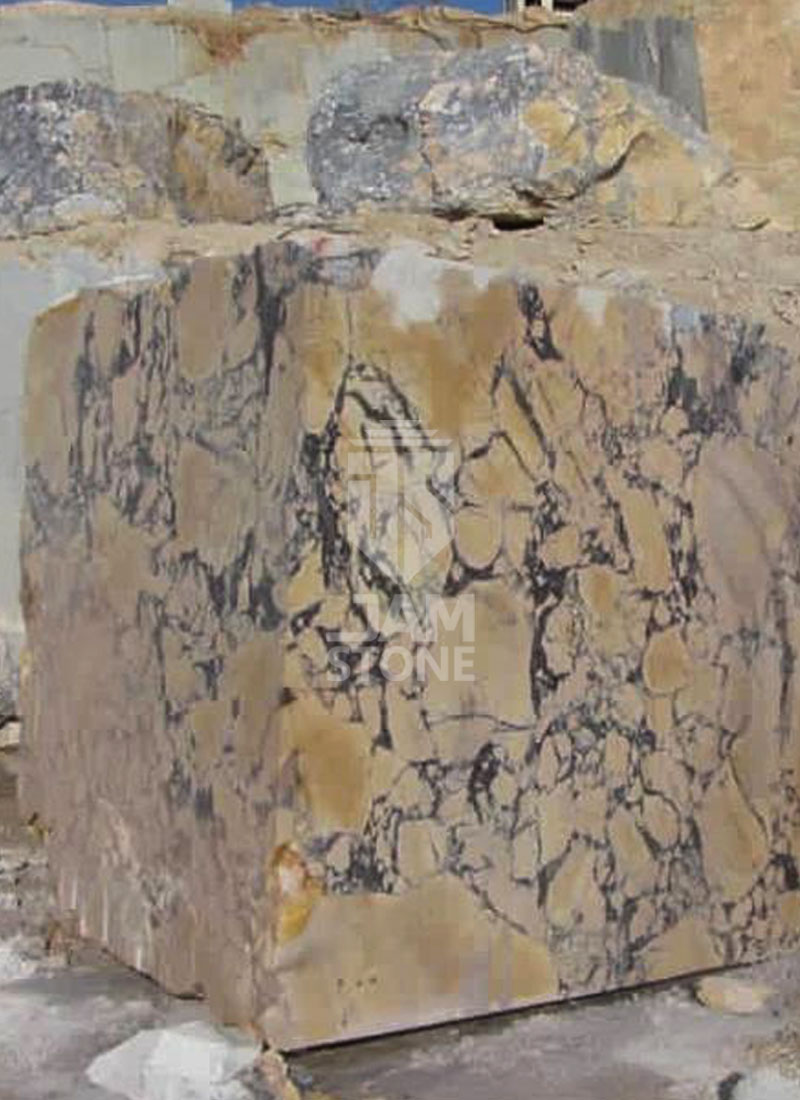
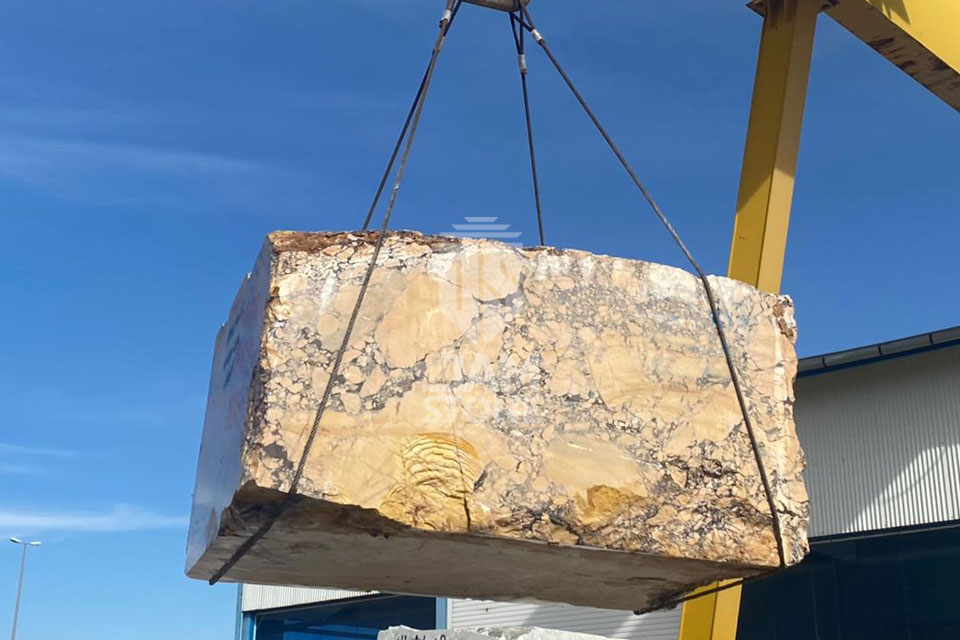
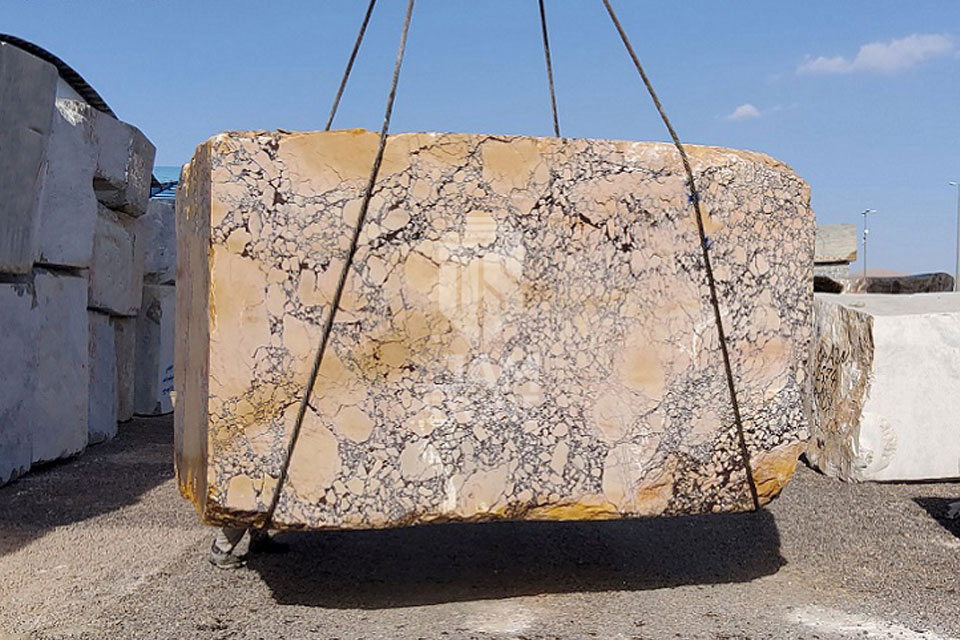
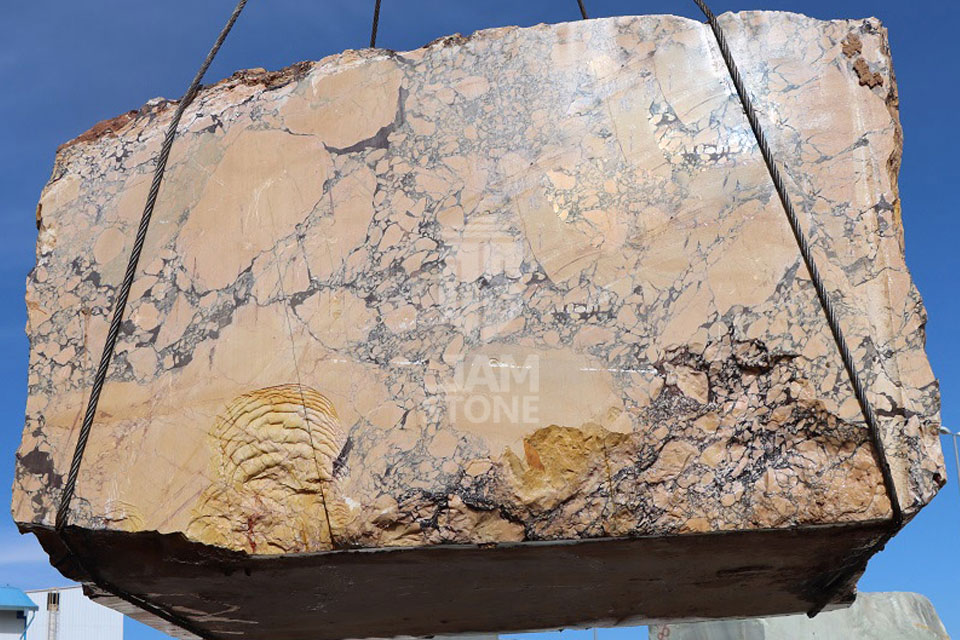
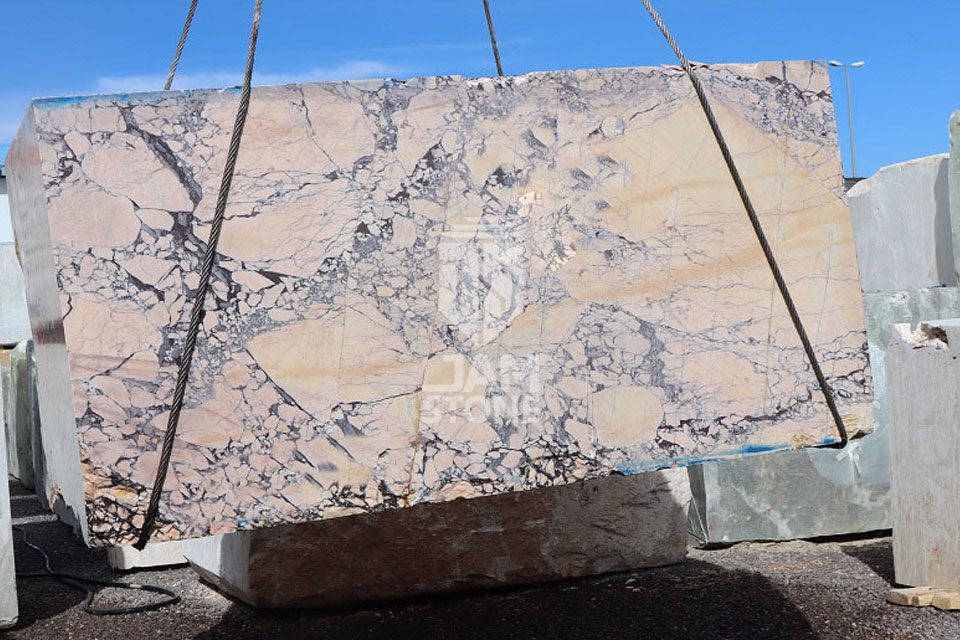
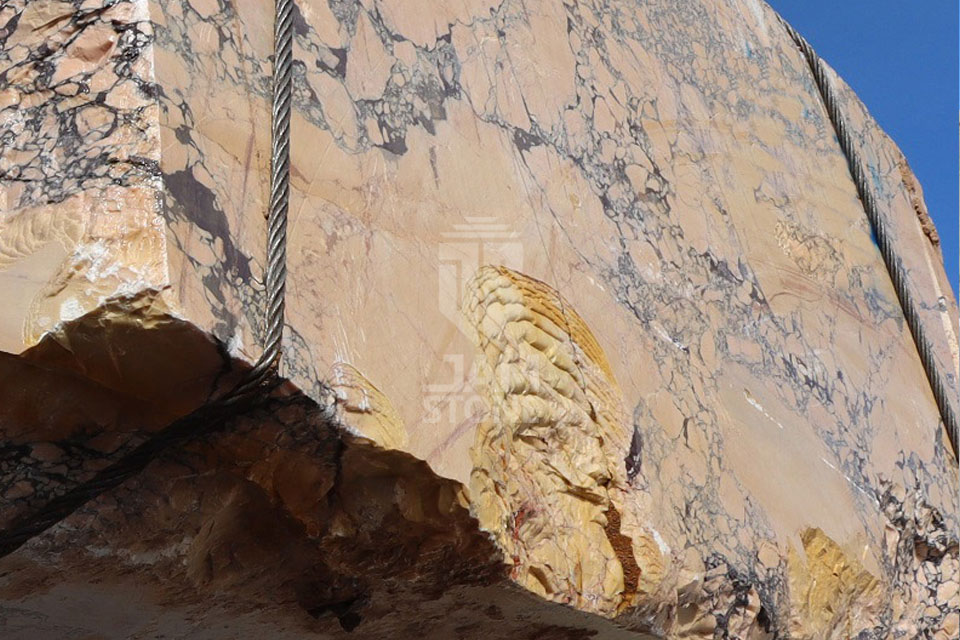
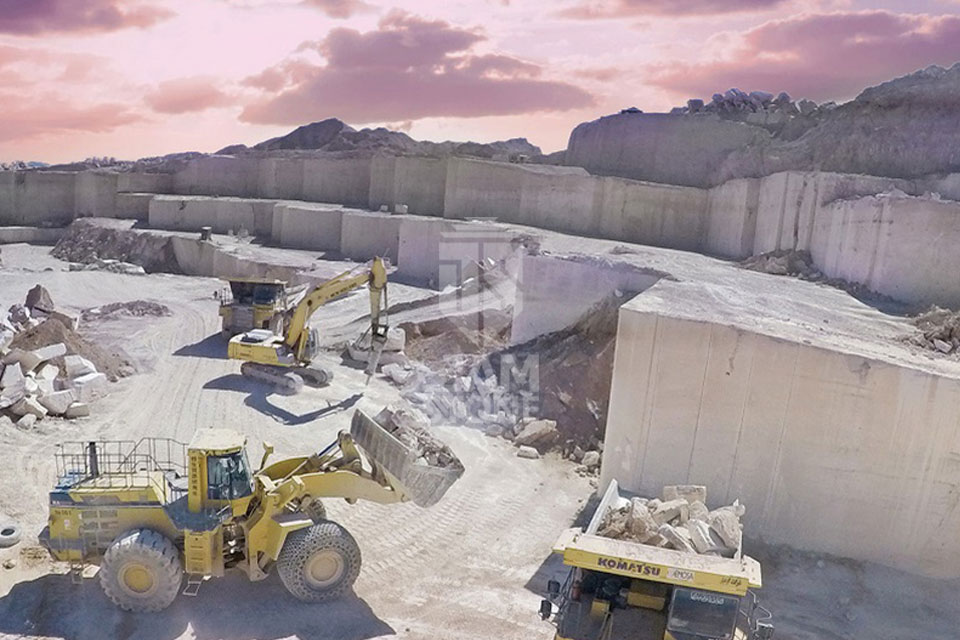

Leopard Marble is highly sought after in international markets, particularly in countries with booming construction and luxury interior design industries. Countries like the United States, the United Arab Emirates, the United Kingdom, and Australia are major importers of Leopard Marble.