
Silver Emperador Marble offers a calm, luxurious feel to modern spaces without bright colours or bold patterns. Its light-to-medium grey background and delicate white veins quietly enhance floors, walls and countertops, giving them a refined yet inviting character. Designers, builders and homeowners return to this stone because it delivers consistency and elegance across many settings. In the article ahead, we will explain the reasons for its popularity and outline key considerations before you specify it—whether your project is a compact city apartment or an expansive hotel lobby.
When quality is critical, the choice of partner matters as much as the stone itself. That is why many buyers turn to JAM Stone Co. The company combines quarry access, modern cutting lines and strict checks, so every piece of Silver Emperador Marble arrives on site with the right colour, thickness and finish. Let us explore the material in depth and discover how JAM Stone Co. secures reliable supply for projects worldwide through comprehensive logistics support and transparent communication at every milestone.
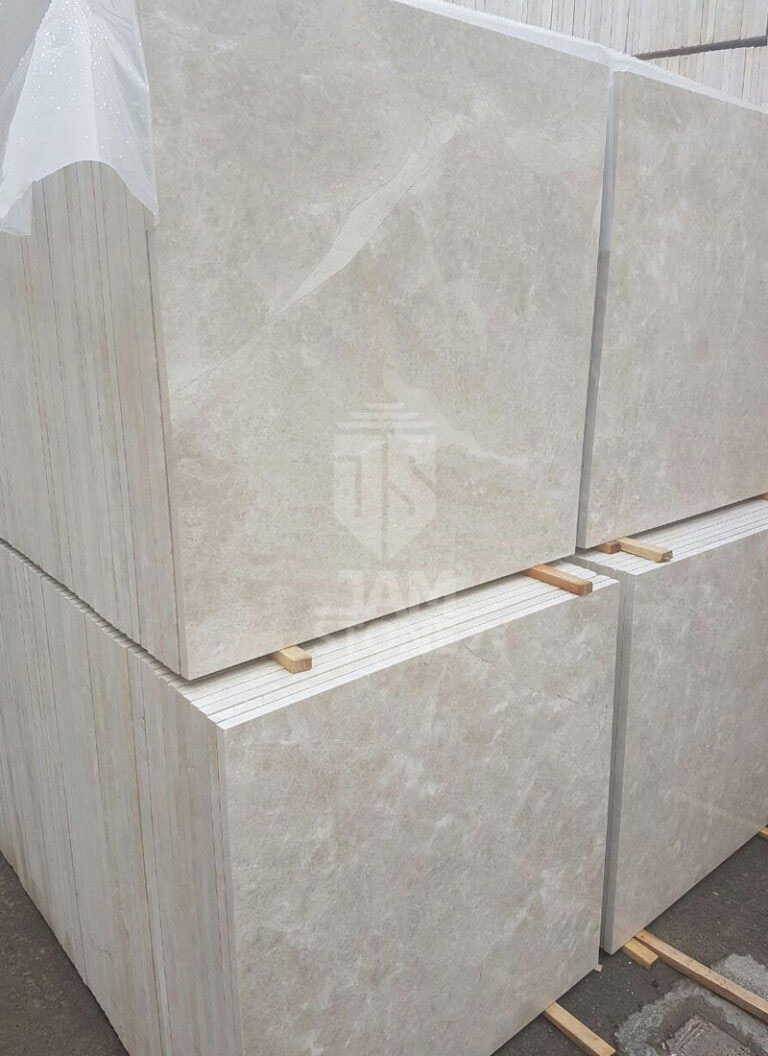
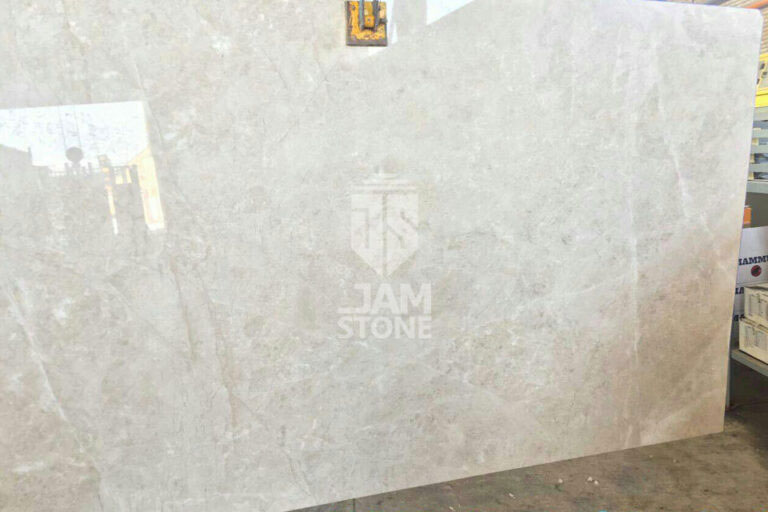
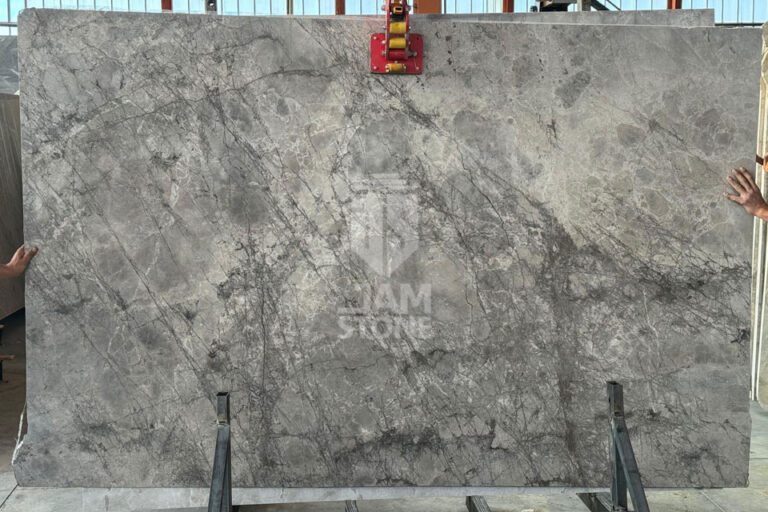
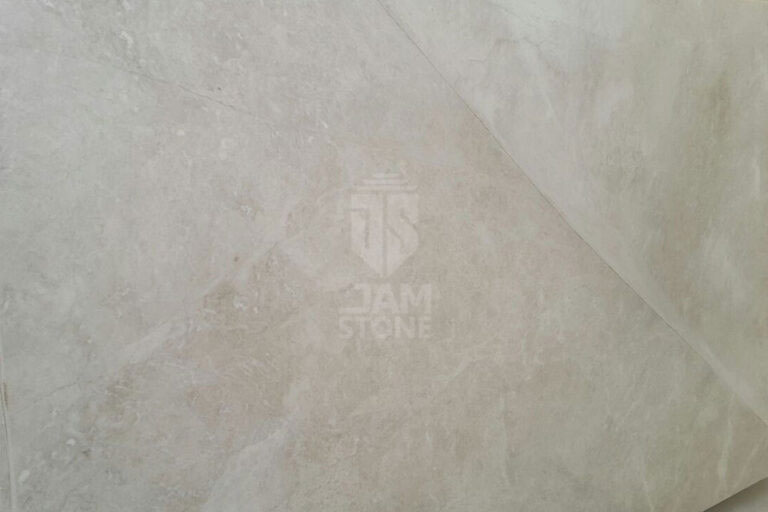
Silver Emperador Marble is a calcite-rich stone quarried mainly in Iran and some parts of Turkey. Trades also know it as Grey Emperador or Silver Grey. Its gentle silver background and fine spider-web veining give interiors a quiet elegance that pairs well with metal, wood or glass. Because the block layers are wide and stable, large slabs can be cut with little waste. The stone takes a high polish, yet it also looks good when honed or brushed, making it flexible for floors, walls, worktops and accent pieces.
Silver Emperador is a dense, fine-grained marble that balances strength with easy workability. Slabs keep flat after cutting, and the low pore level means less staining. Standard tests show compressive strength well inside normal marble limits and water uptake below one percent. Because the stone is almost pure calcite, hardness sits near three on the Mohs scale—soft enough for edge detail, hard enough for daily use. Minor seams may appear, but careful grading keeps visible flaws to a minimum overall.
The stone is over 95 percent calcite with small traces of dolomite and mica. Tiny iron-free particles create the silver tone while thin calcite veins add white highlights. Open pores stay below one percent, which helps to block stain entry and keeps density near 2.65 t /m³, even under heavy footfall and cleaning cycles.
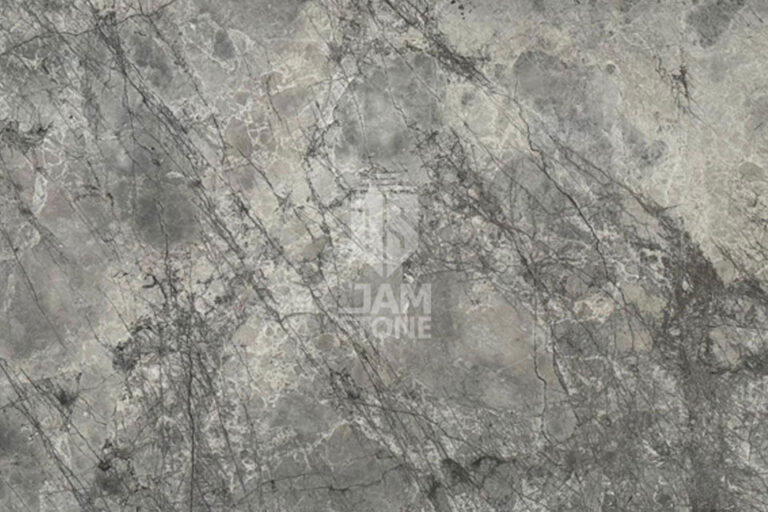
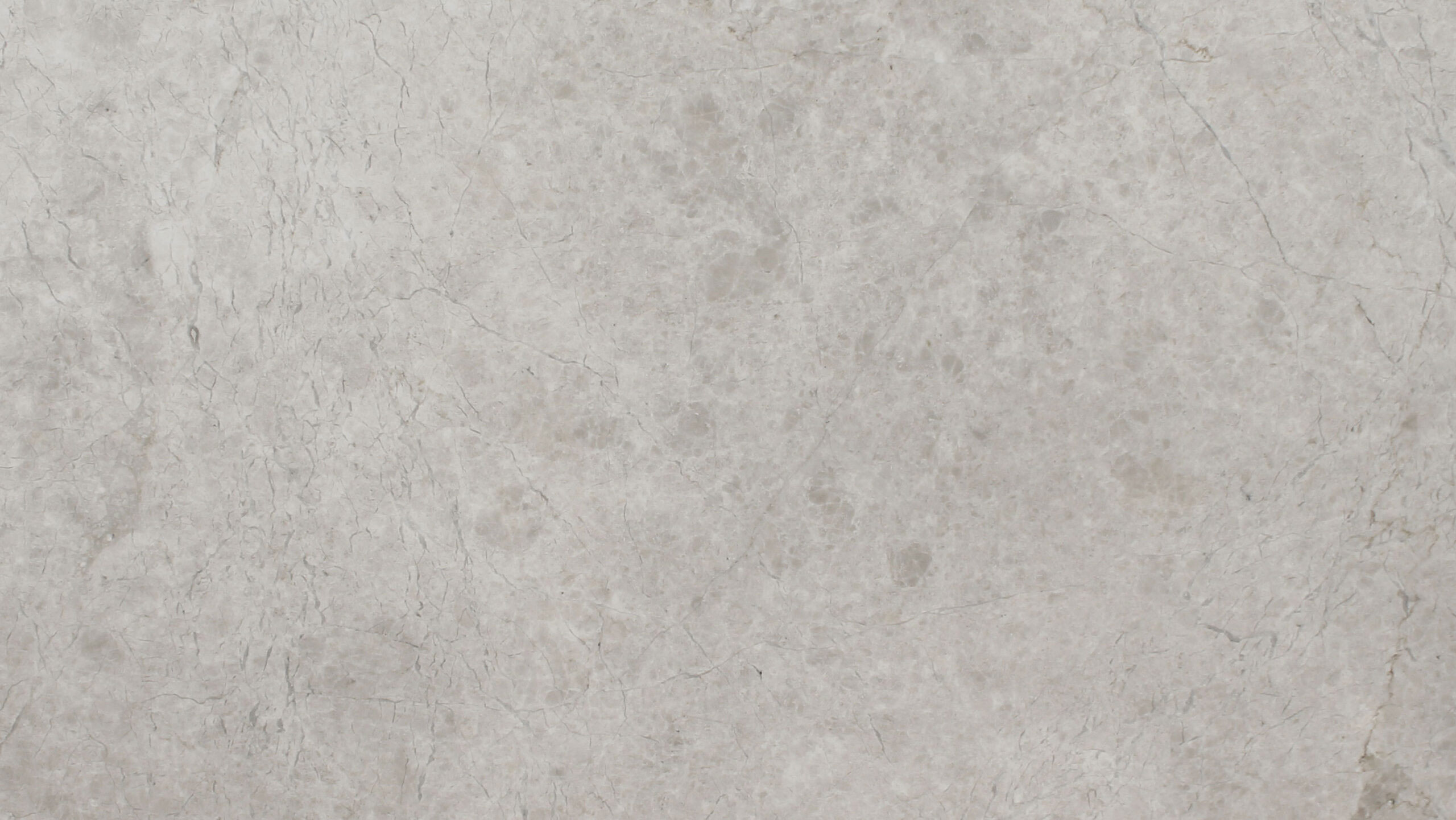
The base shade sits between medium and light grey. White veins run in soft, net-like lines that rarely cross at sharp angles. Vein density is even, so large tiled areas show a calm, balanced pattern without sudden dark streaks or cloudy patches, letting architects achieve seamless transitions between adjacent rooms and wall planes.
Bulk density ranges around 2.65 ± 0.03 g/cm³, while water absorption stays below one percent. The mostly closed pore system cuts capillary rise, reducing deep staining and damp issues. As a result, maintenance remains light, even in shopping malls or busy hotel corridors where cleaning schedules can be demanding.
Mohs hardness averages around 3. Compressive strength measures 85 to 120 MPa, with flexural strength hovering around 12 – 15 MPa. These figures assure safe support for floors, steps and countertops under normal loads, and provide sufficient resistance to everyday knocks from equipment, trolleys or dropped kitchenware without causing edge spalling or visible deformation over decades.
Occasional hairline calcite seams under 0.3 mm appear, but stylolite lines are rare. Colour grading keeps shade variation below five percent per batch. Resin under vacuum fills pinholes, leaving a smooth face that accepts polish evenly and reduces dirt traps, so janitorial crews need fewer harsh chemicals during routine cleaning and extends sealer life dramatically.
At full polish, Silver Emperador reaches gloss readings between 85 – 90 gloss units, reflecting light without glare. Honed or brushed surfaces soften reflection, yet keep the gentle grey depth. The low iron content helps the colour stay stable indoors even under strong light. Like all calcitic stones, the marble dulls when acids touch it, so sealing and quick wipe-ups are important in kitchens and baths. In freeze-thaw tests, the stone stays intact down to minus twenty degrees, making it suitable for sheltered exterior walls with proper treatment.
The tight grain lets the stone accept a mirror-like polish that adds depth, while brushed finishes reveal a soft suede look. Because the base is silver rather than stark white, light bounces gently, avoiding harsh glare. Designers exploit the colour neutrality to pair the marble with brass, glass or dark timber accents in the same room.
Fine grains under half a millimetre give a cool, velvety touch. After resin treatment, micro-pits almost vanish, so clothes glide easily during cleaning. Pedestrians notice the pleasant under-foot feel, and sharp corners remain comfortable to grip when used for stair rails, furniture tops or sculptural benches in public spaces without snagging fabrics or delicate skin.
Tests show no splitting after fifty freeze–thaw cycles in mild climates. Indoor UV exposure causes little colour shift over ten years, but outdoor façades require a breathable water-repellent coating and annual inspections. When properly sealed, small patio tiles resist salt attack, making them suitable for spa decks near chlorinated or saline pools and coastal leisure facilities. However, it is vital to note that salt exposure can still accelerate surface erosion; so, use only with regular resealing and pH-neutral cleaners.
With more than 95 percent calcium carbonate, even weak acids can etch the surface within minutes. Apply a penetrating sealer at installation and renew it every twelve to eighteen months in wet zones to keep the finish clear. Mats, coasters and prompt wipe-ups prevent rings from citrus, wine or coffee in high-use kitchens or busy bar counters.
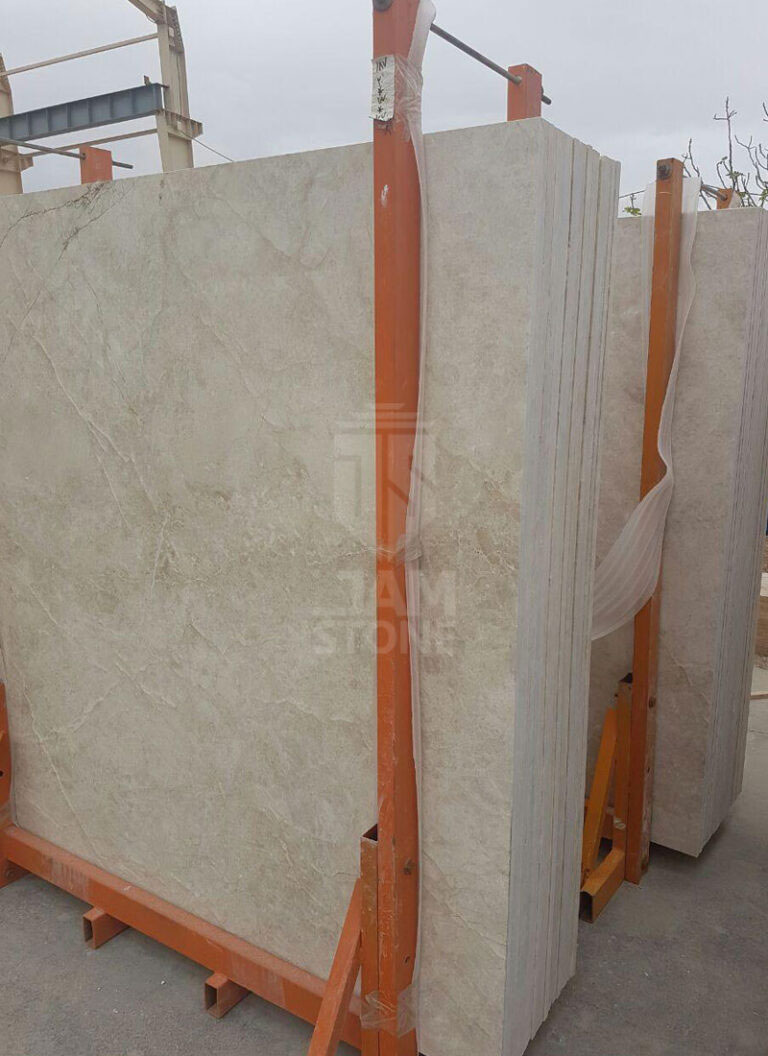
Quarries cut blocks up to 3 metres long, letting factories saw slabs of 300 × 190 cm in two- or three-centimetre thickness. Tile lines then trim smaller pieces for floors and walls. Custom items—steps, skirting or basin tops—come from CNC routers that match site drawings exactly. Because the stone is fine-grained, even narrow mosaics hold sharp edges. Thicker pavers are possible for covered terraces, but fully open driveways need a slip-resistant finish, deep sealing, careful edge protection and ongoing maintenance.
Full-size slabs reach 3 by 1.9 metres at 20–30 mm thick. Book-matching is common, and reinforcing rods are added for extra-wide counters. Customers often specify resin back-netting and factory-cut sink openings, which shortens installation time and lowers risk in congested urban building sites. On delivery, each slab carries a barcode for traceability and quick site inventory checks.
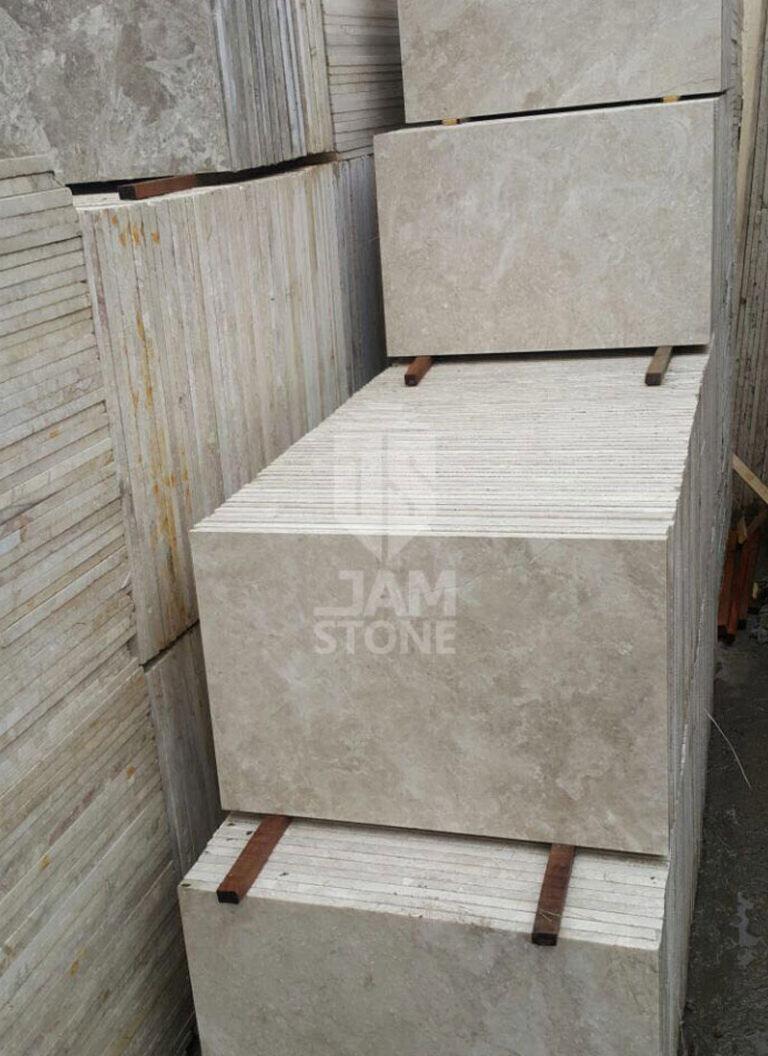
Calibrated tile stock comes in 10 or 12 mm. Standard sizes include 30 × 60, 40 × 40, 60 × 60 and 60 × 120 cm, packed in foam-lined cartons. Tight calibration keeps grout joints even, while micro-bevelled edges reduce chipping during handling, speeding large-area floor installation crews on busy commercial projects without compromising surface alignment accuracy.
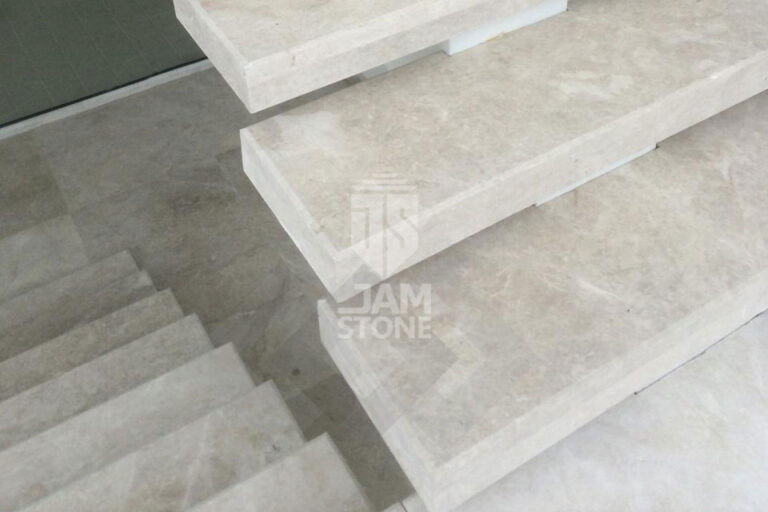
CNC machines shape vanity tops, stair treads and large wall panels from 18–30 mm stone, reproducing shop drawings with millimetre precision. Pre-drilled anchor holes and finished edge profiles arrive ready to install, lowering on-site noise. Clients use this service for reception desks, door jambs and curved elevator surrounds in premium malls and luxury residential penthouses worldwide, too.
Two-inch hexagon or 23 × 23 mm square chips are mesh-mounted on 30 × 30 cm sheets for fast placement. Designers mix polished and honed pieces to create subtle light-play on shower walls. The thin sheet backing bends slightly, allowing installation on curved columns, feature niches and spa benches with minimal lippage and very small joint lines.
Brushed or sand-blasted pieces 30 mm thick provide R11/R12 slip resistance for sheltered patios. Edge chamfers prevent chipping during setting. When sealed, the surface repels barbecue grease and mild acids. Matching stair nosings with integral grooves give safe access routes, even where frost and occasional de-icing salts are present in winter across hotels, cafes and rooftop terraces.
Pre-cut strips 70–100 mm high with a small bevel tidy wall edges and protect plaster from mops and vacuums. Lengths up to two metres reduce joints, speeding installation. Colour-matched epoxy adhesive hides joints, ensuring the base merges with adjacent floor tiles and keeps cleaning equipment from catching exposed edges during daily commercial maintenance shifts.
Quarry blocks weighing six to eight tonnes measure roughly 200 × 120 × 110 cm, giving high slab yield and steady shade across projects. The generous size also allows long vein runs for book-matched wall panels. Each block is tagged with GPS origin, test data and date, aiding architects who demand full supply-chain traceability and sustainable-sourcing certification.
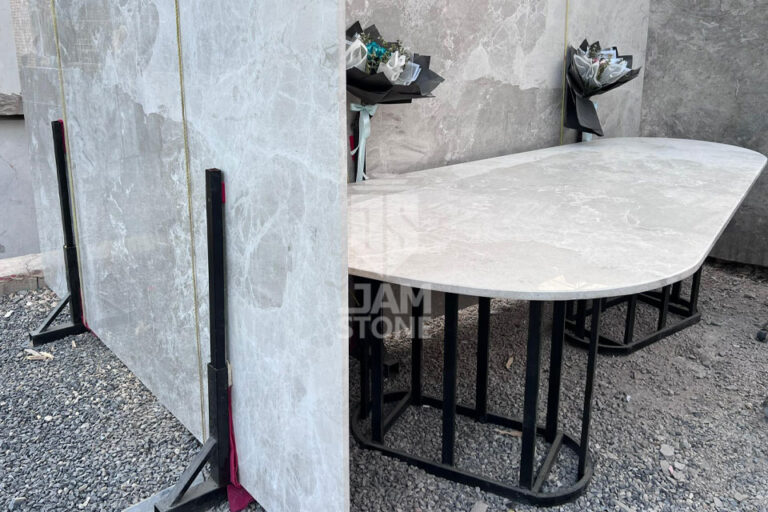
Designers pick Silver Emperador for areas that need both strength and understated style. Polished slabs brighten hotel lobbies without upstaging furniture, while honed tiles bring calm to spa walls and bathroom floors. Home kitchens enjoy counters that pair well with steel and timber. With a brushed face and an anti-slip sealer, the stone serves on sheltered terraces and stair treads, though constant freeze-thaw exteriors call for extra care. Fireplace surrounds, reception desks and elevator jambs complete the diverse list of typical uses.
Market cost depends on grade, size and logistics rather than a fixed figure. Clear, uniform silver tone and tight grain raise value, while mixed shades drop it. Large slab yield from big blocks helps keep square-metre cost controlled. Extra processes like water-jet cutting or resin reinforcement add labour but also improve finish. Thicker pieces, complex shapes and urgent deliveries lift the overall price, too. Seasonal freight shifts and local duties remain major factors, so final quotes always require up-to-date freight checks.
Prime grade shows shade variation under two percent and has no visible seams, while standard grade allows minor tone steps and hairline pits. Though the higher grade costs more per square metre, it reduces on-site trimming waste and lets installers open crates and lay panels faster, saving labour and adhesive in high-wage markets.
Blocks above six tonnes deliver wider, longer slabs that cut into large countertops with fewer joins, lowering costs in finishing. Smaller quarry pieces produce extra edges and unmatched veins, increasing fitting time. Higher yield per block, therefore, spreads transport fees across more usable areas and gives more consistent design flow throughout open-plan floor plates.
Precision gang-saws, full resin lines and sixteen-head polishers create flat, bright faces. CNC edge profiling and controlled drying chambers improve squareness and stop warping. These extra steps lift base cost, yet they slash re-polish claims and keep timelines intact for demanding hotel, airport and flagship retail jobs where night-time changeovers allow limited downtime and penalties loom large.
Polished slabs cost less than multi-stage water-jet texture plus bush-hammer surfaces, which need extra passes and specialised labour. Anti-slip micro-etching, groove cutting or in-factory sealing each add a small surcharge but may avoid expensive retrofitting later, especially in jurisdictions with strict accessibility and safety codes. These premium finishes also lengthen replacement cycles in busy commercial foyers.
Standard 20 mm tiles sit at the lower price band, while 30 mm worktops or jumbo façade panels need reinforcement rods, stronger crates and more labour. Extra mass raises freight, yet the rigidity helps designers span wide cabinetry. Cost–benefit studies often show thicker pieces win where damage risk or acoustics matter in open-plan commercial kitchens.
Nearby stock yards cut freight time and risk, but sea freight fluctuations can outweigh material savings. Peak shipping seasons tighten container space, pushing surcharges. Early booking, consolidated loads and alternative ports lower exposure. Clients with flexible schedules can secure better rates, balancing budget and project programme requirements without compromising agreed completion deadlines or inspection milestones.
Production starts with wire-saw cuts in Iranian quarry benches holding a twelve-metre-thick silver layer. Selected blocks travel to JAM Stone Co.’s processing plant, where resin fills micro voids, and slabs cure before polishing on a sixteen-head line. Final checks confirm thickness, gloss and uniform colour. Crated slabs load onto containers with desiccant packs, while tiles go into foam-lined wooden boxes. From factory gate to a European port takes about five to seven weeks, with real-time tracking at each shipping stage.
Installers should set tiles with neutral-pH adhesive and keep a two-millimetre grout joint for floors. Apply a penetrating sealer once the surface is clean and dry; renew it every twelve to eighteen months, especially on kitchen tops and wet rooms. Wipe spills fast, using mild stone soap instead of vinegar or bleach. Attach felt pads under chairs to avoid scratches, and place mats at entrances to collect grit. High-traffic floors may need a light repolish every five to seven years to restore shine without aggressive chemicals.
JAM Stone Co. handles Silver Emperador Marble from the first cut in the quarry to the last polish before shipment. Long-term partnerships with mine owners secure a steady flow of quality blocks, while in-house water-jet cutters and precision polishers shape each order to plan. Batch consistency is checked in on-site labs that measure colour shift, gloss and thickness. By keeping every stage under one roof, the company reduces lead times and offers clear responsibility from source to site worldwide. Everywhere.
Buyers gain confidence through JAM Stone Co.’s three-step inspection system: raw block grading, slab scanning for cracks and a pre-ship edge check. ISO 9001 and CE compliance underline process control, while export records cover Europe, the GCC and East Asia. Flexible minimum orders range from mixed crates of twenty square metres to full containers. Custom cutting and finishing adapt the product to exact project needs, supported by efficient global shipping and safe crating with detailed documentation.
The main quarry lies in Iran’s central carbonate belt, a region known for stable, fine-grained marbles. Silver Emperador’s layer runs thick and even, giving uniform colour across blocks. JAM Stone Co. holds direct operating rights, ensuring unbroken access and better price control for clients. Eco-friendly practices, such as water recycling and controlled blasting, protect the landscape while keeping stone quality high. On-site sediment ponds settle slurry before water re-enters local streams, and monthly audits track energy use reductions.
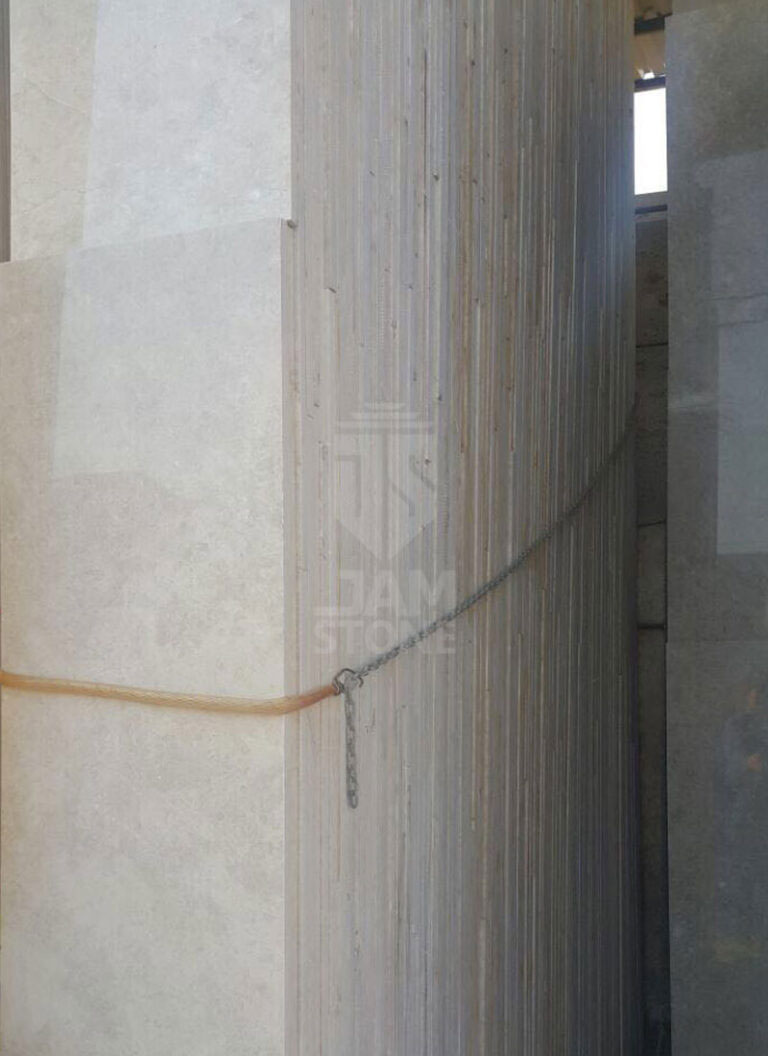
To guard every surface, slabs rest on rubber-lined, A-frames inside fumigated wooden crates, with straps and corner protectors absorbing shock. Tiles sit in foam sheets and moisture-barrier film, then stack in palletised boxes sized for container efficiency. Mosaics go into reinforced cartons with clear labels showing batch code, size and finish. These careful steps reduce breakage, speed customs checks and help the marble arrive ready for quick installation on site, even in demanding climates and remote regions around the globe.
indeed stands out as a grey natural stone with fine white veining, widely used in flooring, walls, and countertops for a calm, refined finish.
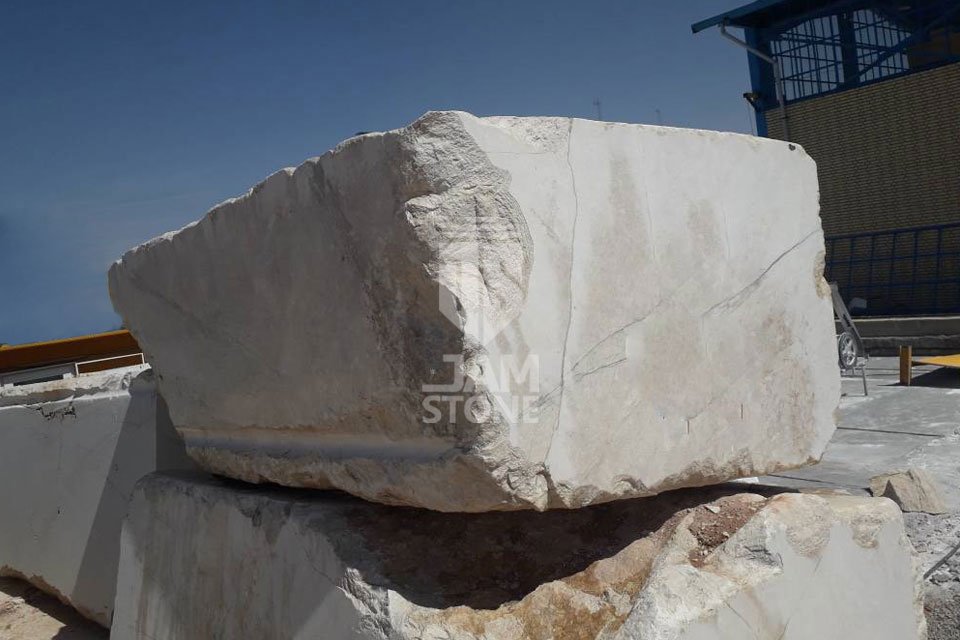
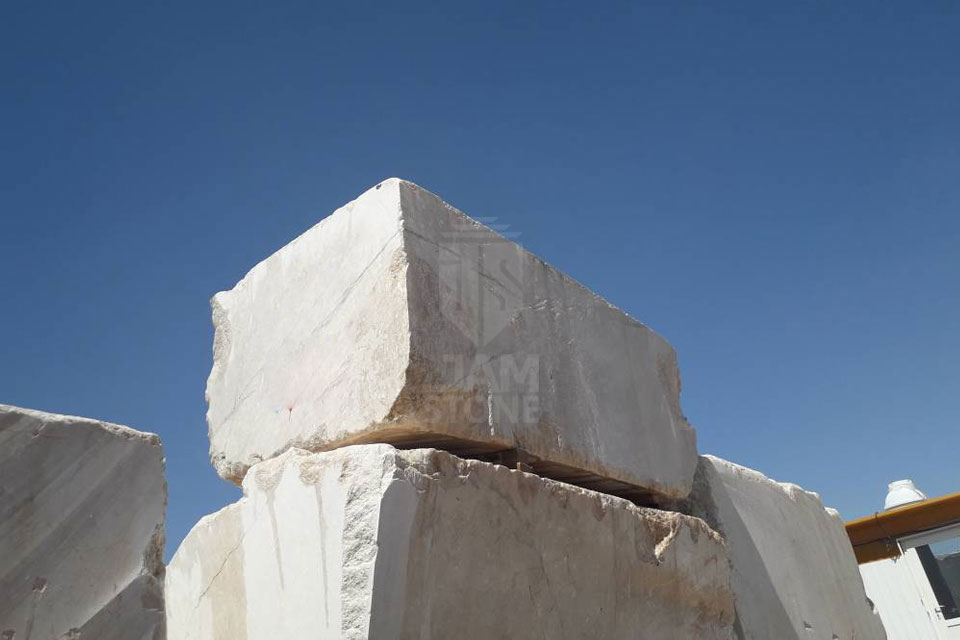
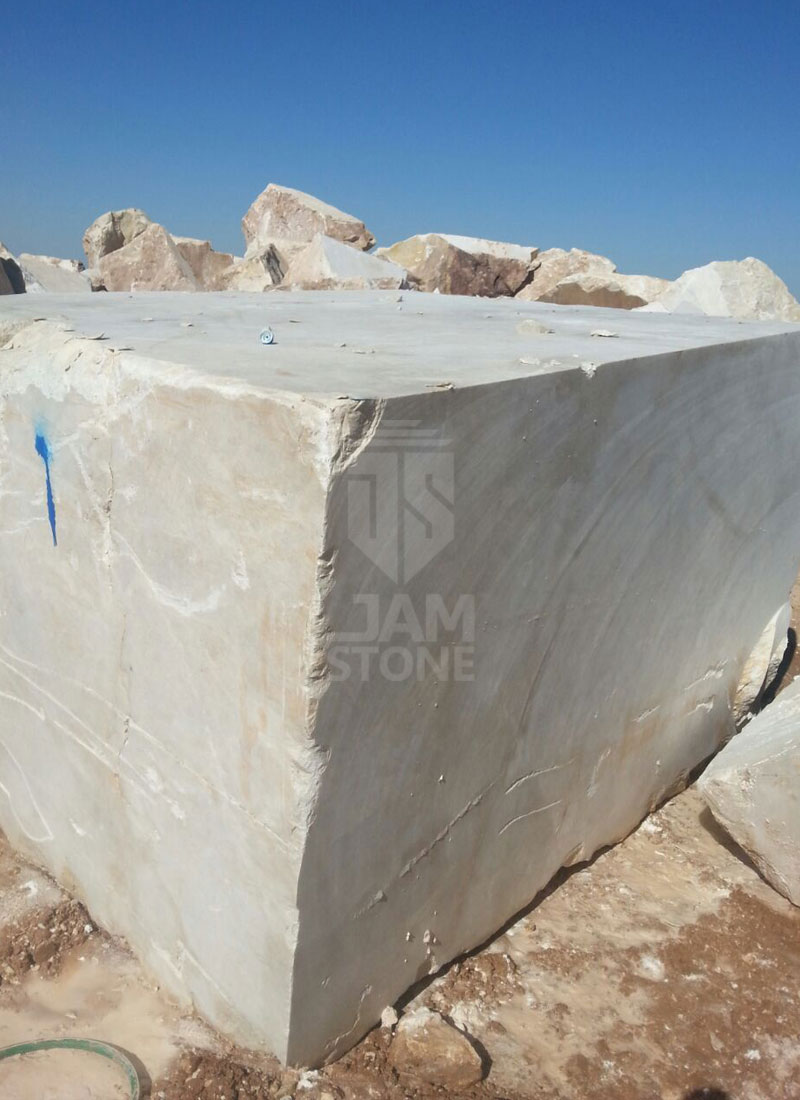
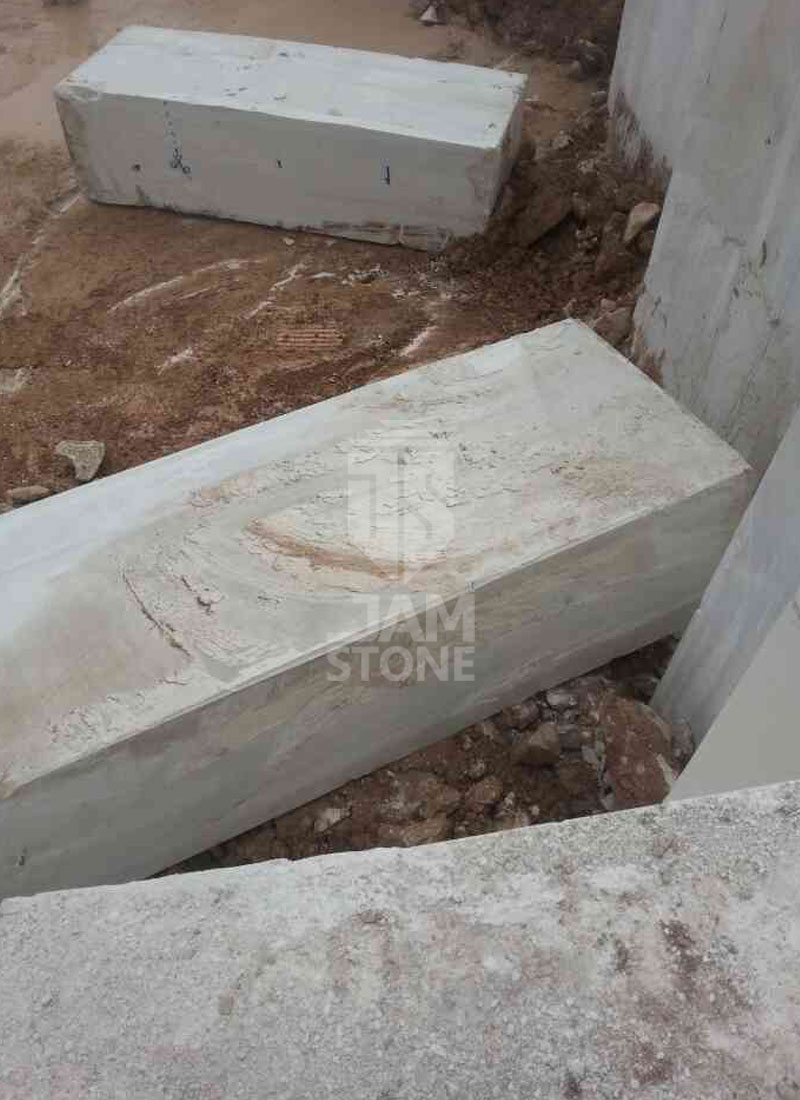
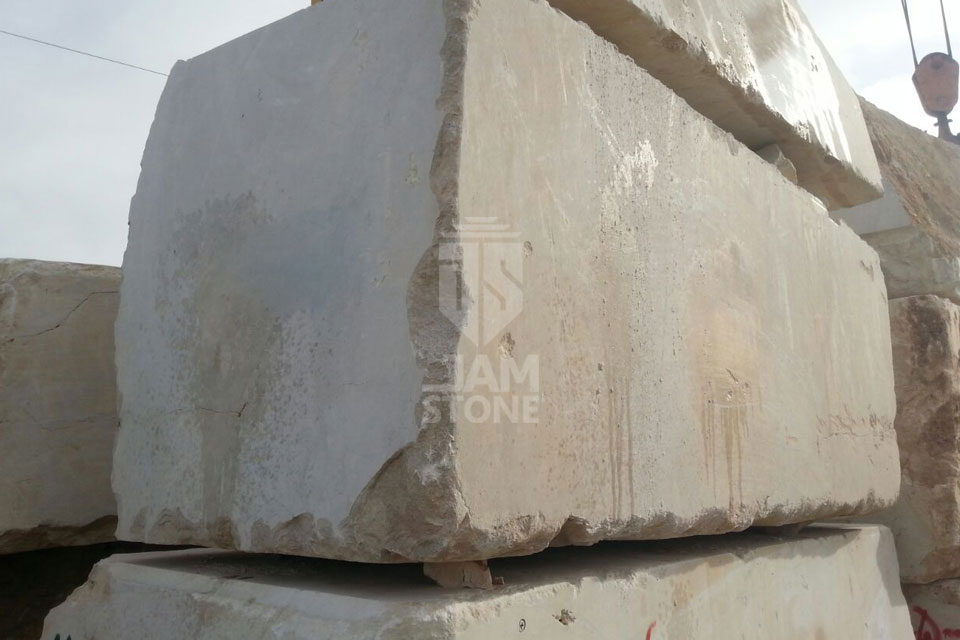
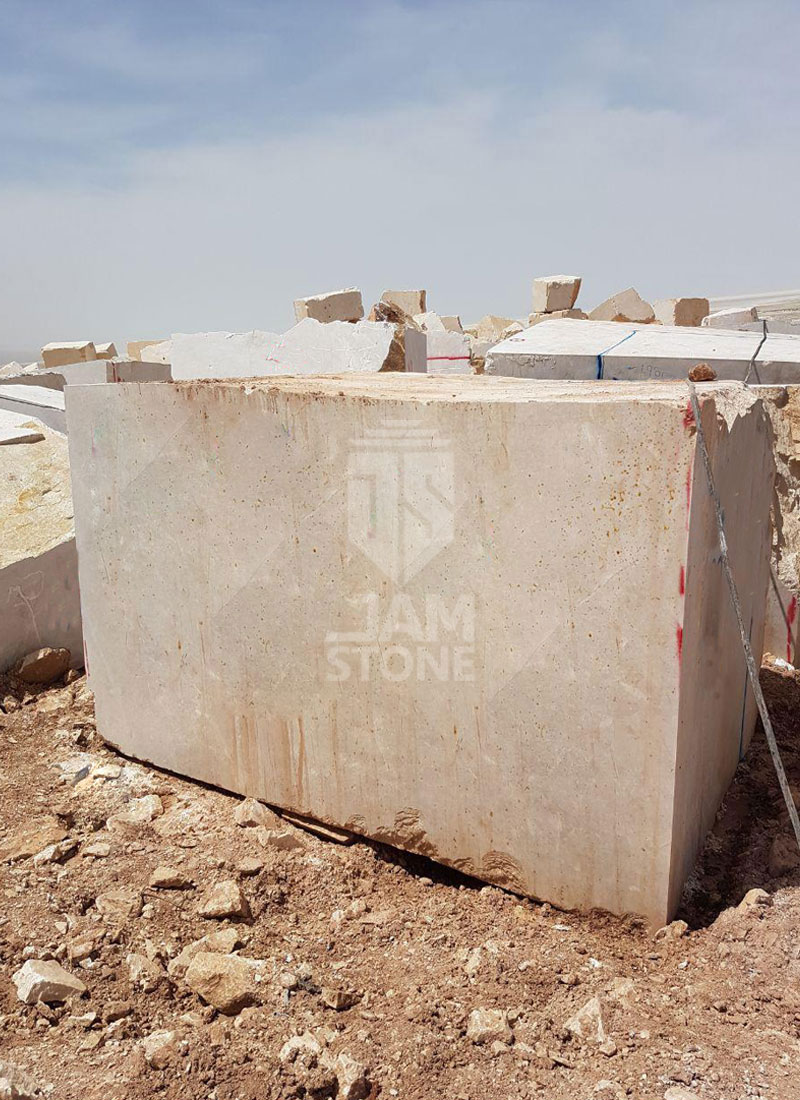
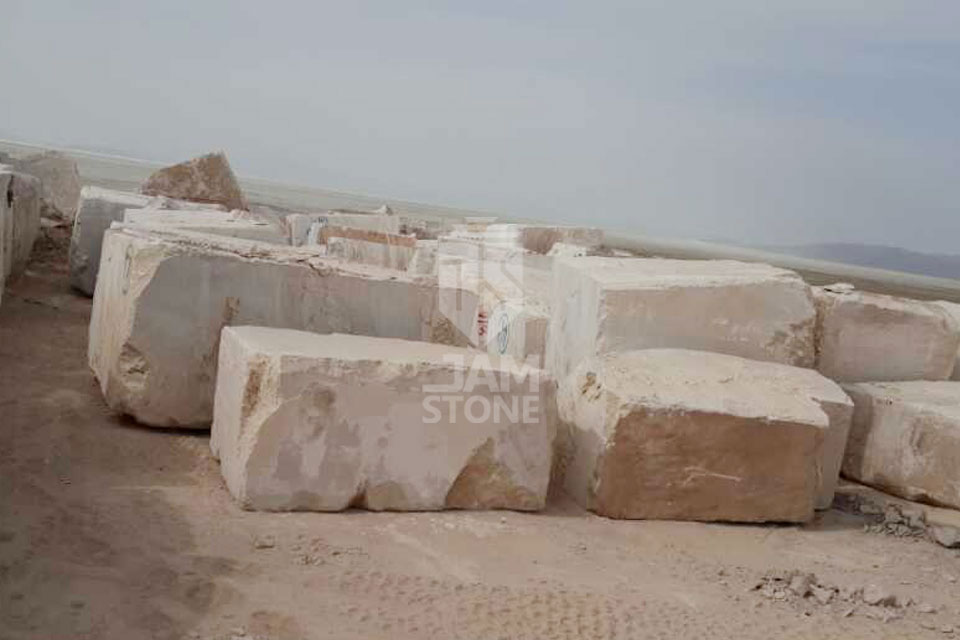
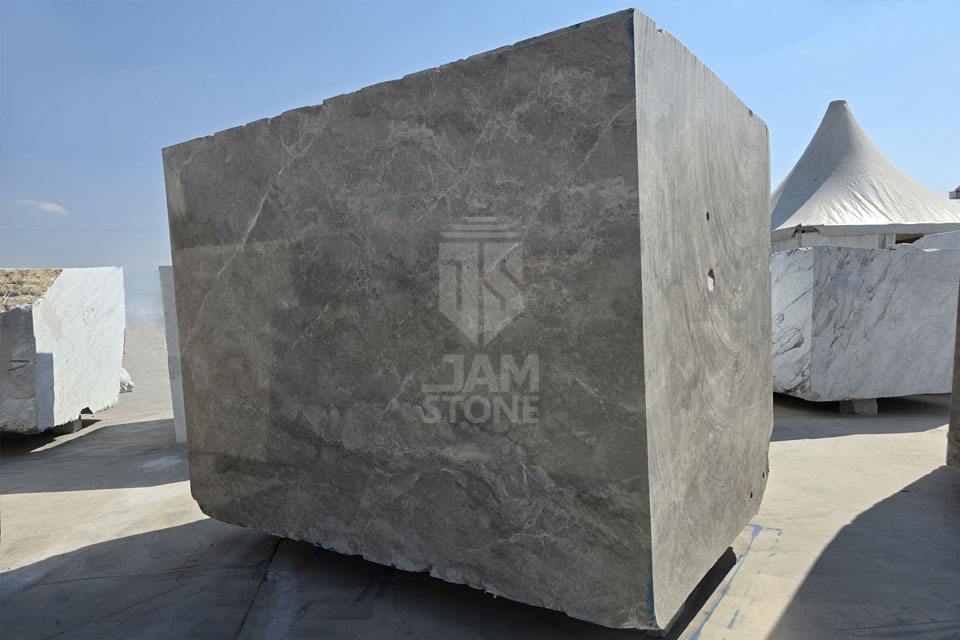
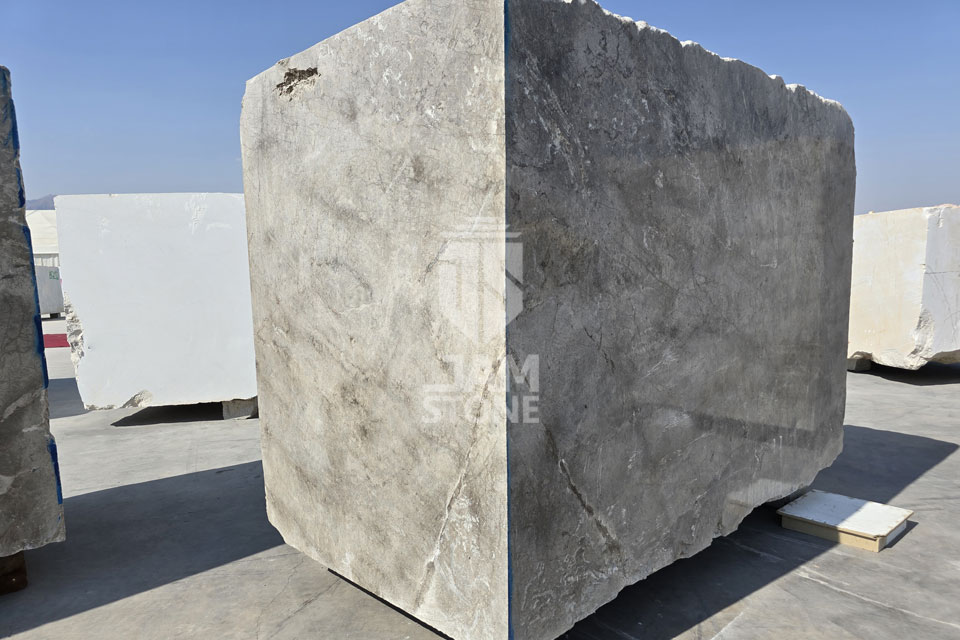

Silver Emperador Marble, esteemed for its uniform color, affordability, and versatility, is sought after by various countries worldwide for use in construction and interior design projects. European countries such as Spain, Italy, and Greece, known for their rich marble traditions, are among the primary buyers of Silver Emperador Marble.