Honey Traonyx is a distinctive natural stone that brings a warm, artistic glow to luxury interiors. Quarried in Iran, this material is special because it is a natural hybrid, blending the characteristics of both travertine and onyx. This unique combination results in a single stone that has both solid, opaque sections and beautiful, crystalline layers that can pass light. This stone is a source of timeless charm in high-end design. Let’s explore why this elegant stone has become a favorite among designers and architects worldwide.
When working with premium natural stone, the final result depends heavily on the quality of the material. Choosing the right supplier can make all the difference between a successful project and a costly problem. JAM Stone Co. is a trusted and experienced supplier of Honey Traonyx. We specialize in sourcing and providing this unique Iranian stone to our global clients. Our expertise ensures that the material you receive meets high standards for quality and consistency, allowing you to use this beautiful stone in your projects with complete confidence.
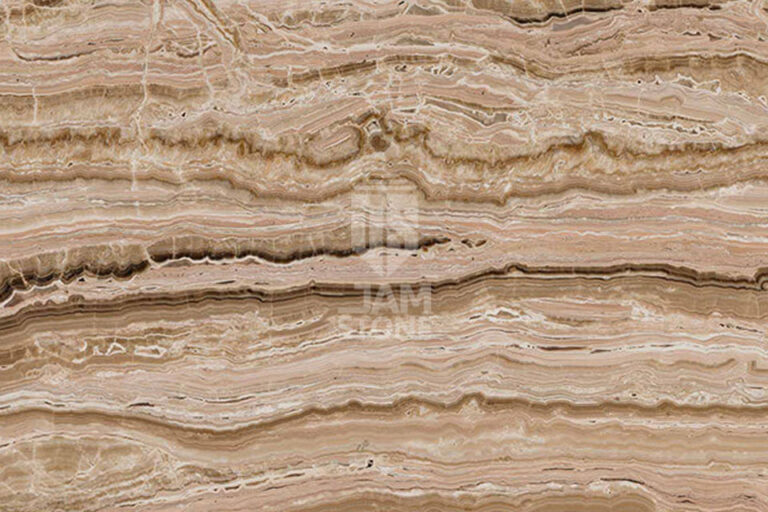
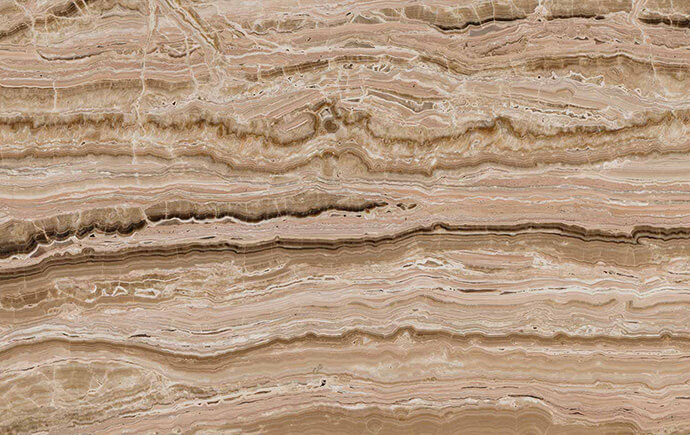
Honey Traonyx is a remarkable natural stone quarried in Iran. It is best described as a chemically precipitated, calcite-based stone rather than “semi-metamorphic”, formed as a natural composite of both travertine and onyx. Within a single slab, you can find the opaque, porous characteristics of travertine layered with the crystalline, translucent properties of onyx. This unique blend creates a striking visual pattern. This stone is often known by other names in the market, including Honey Onyx, Jade Traonyx, and Honey Cream Traonyx, though it is this specific blend that defines it.
Honey Traonyx is a calcite-based stone, which means it is primarily composed of calcium carbonate. This makes it a relatively soft stone, similar to marble, with a hardness of around 3 on the Mohs scale. Its structure is unique due to its hybrid nature. The stone has a variable porosity; the onyx sections are dense, while the travertine sections contain natural voids, or small holes. During processing, these voids are typically filled with a strong, clear resin. This resin filling stabilizes the stone, strengthens the slab, and creates a smooth, solid surface that is ready for polishing and installation.
This stone is a banded assemblage of calcitic onyx and compact travertine. Its chemical makeup is dominated by calcium carbonate (CaCO3), typically ≈95–99% by mass. The warm honey colors are produced by trace amounts of iron oxides. The stone also contains small amounts of silica and other minerals that form its complex, layered structure.
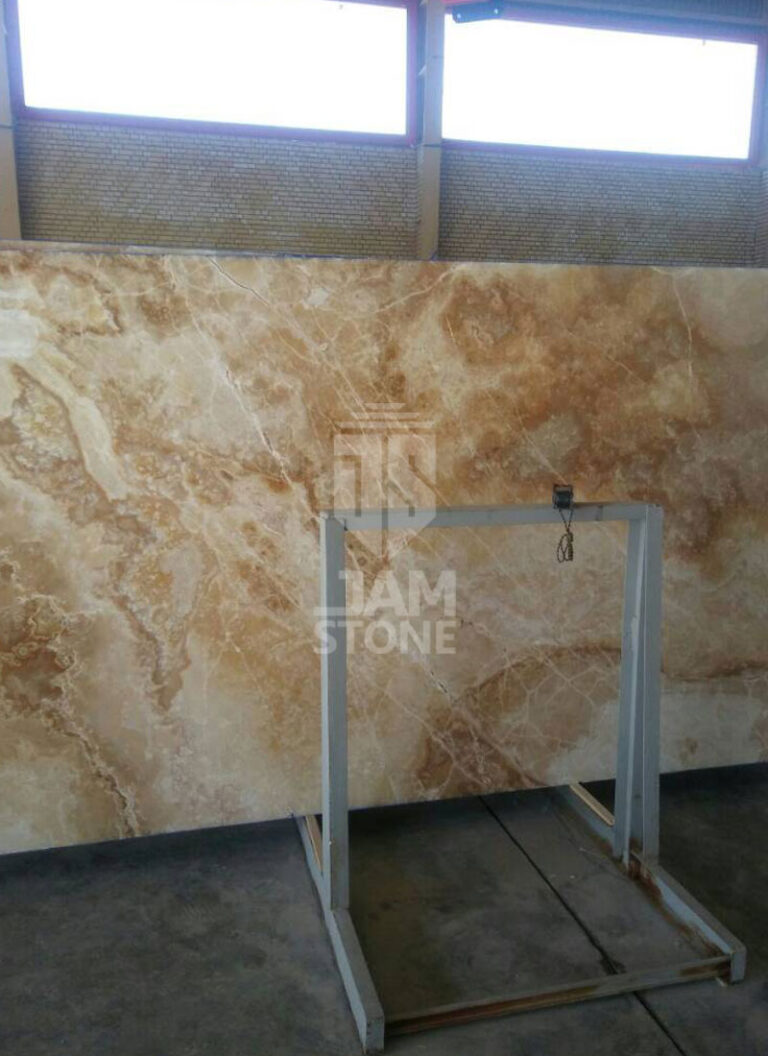
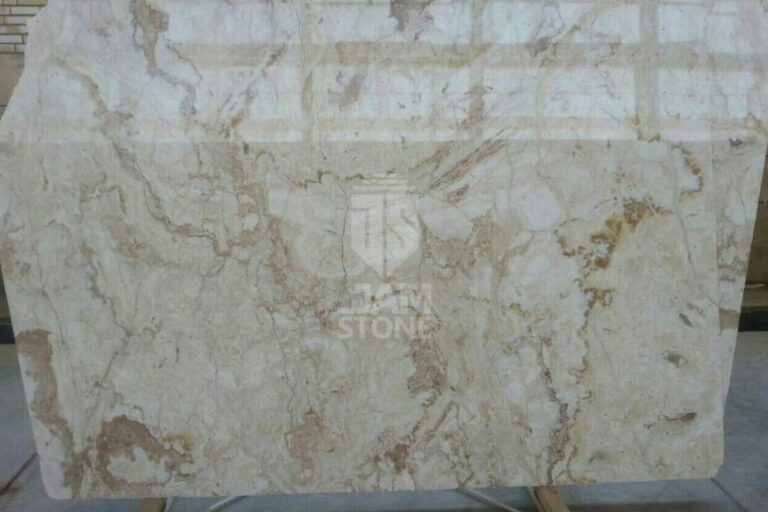
The base color of Honey Traonyx is a warm spectrum, ranging from a light golden-yellow to a deeper orange-brown. This background is interrupted by dramatic, flowing veins that can be dark brown, grey, gold, or creamy white. These veins often mark the boundary between the crystalline onyx and the opaque travertine sections.
Typical bulk density ranges ≈2,550–2,720 kg/m³, reflecting the mix of dense onyx bands and more porous travertine. Moreover, water absorption is generally ~0.2–1.0% by weight; resin-filled pores tend toward the lower end of this range.
Honey Traonyx is a “soft” stone. It has a Mohs hardness of about 3, making it susceptible to scratching. Representative strength values are compressive ≈70–110 MPa and flexural ≈7–12 MPa, depending on selection and reinforcement.
The stone’s primary “defects” are actually its natural characteristics. These include pits, small voids, and micro-fissures, all of which come from its travertine component. The raw blocks can be fragile, so slabs are almost universally treated with resin and often reinforced on the back with fiberglass mesh to fill the natural voids and support any micro-cracks to ensure a stable final product.
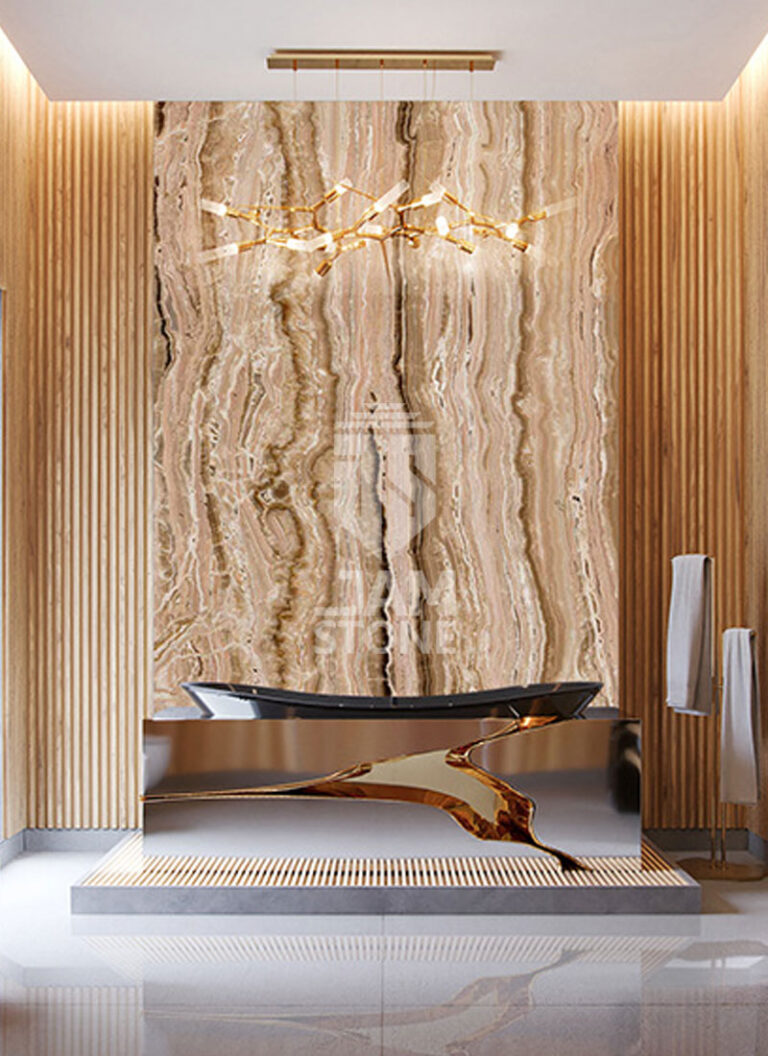
The most valued aesthetic quality of Honey Traonyx is its partial translucency. The crystalline onyx sections of the stone allow light to pass through, creating a warm, dramatic glow when backlit. This makes it a popular choice for statement pieces. On the performance side, it is important to understand its chemical properties. As a stone high in calcium carbonate, it is chemically reactive and extremely sensitive to acids. Contact with substances like lemon juice or vinegar will cause “etching,” which is a chemical burn that dulls the stone’s polish. It also has low frost resistance and is not recommended for outdoor use.
The stone’s main visual appeal comes from its translucency. When light is placed behind it, the onyx layers glow, highlighting the intricate patterns. A high-polish finish is standard, as it maximizes this glowing effect and shows the depth of the stone. Other available finishes include honed, which offers a matte look, and leathered, which is textured.
The feel of Honey Traonyx depends entirely on its finish. A polished surface is perfectly smooth, glassy, and feels cool to the touch. A honed finish is also smooth and flat but lacks reflection. Brushed or leathered finishes are more tactile, providing a slightly rougher, more natural texture that you can feel.
This stone does not perform well in harsh weather. It has a poor resistance to frost and is not recommended for any exterior applications in climates that experience freeze-thaw cycles. It can also be sensitive to prolonged, direct UV light, which may cause its vibrant colors to fade or change over time.
With a calcium carbonate (CaCO3) content typically >95%, this stone is highly reactive to acids. Even mild acids like wine, coffee, or citrus juice will cause etching, which dulls the surface. This stone must be protected with a penetrating sealer to help resist staining and give more time to clean up spills.
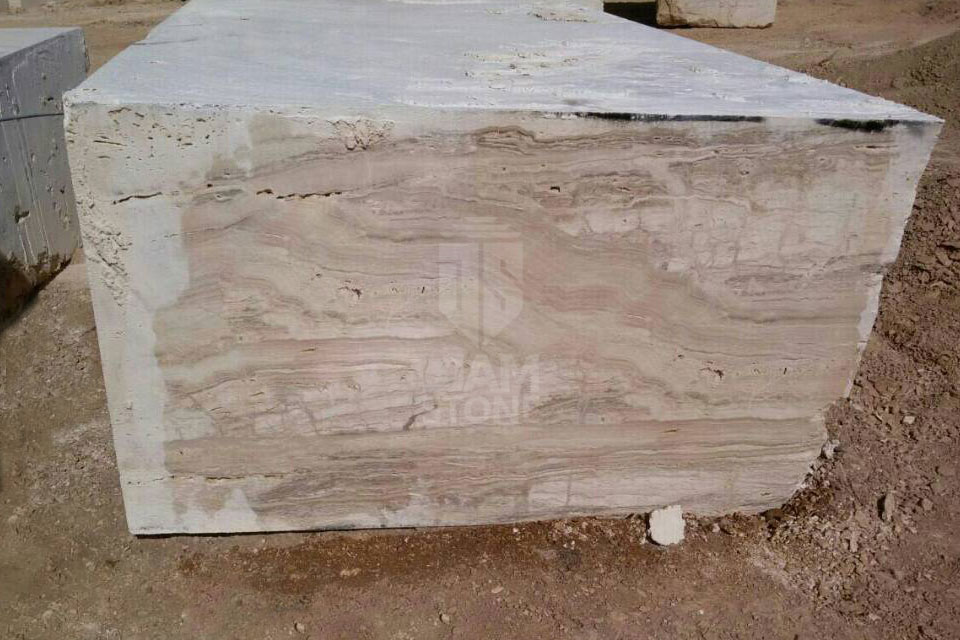
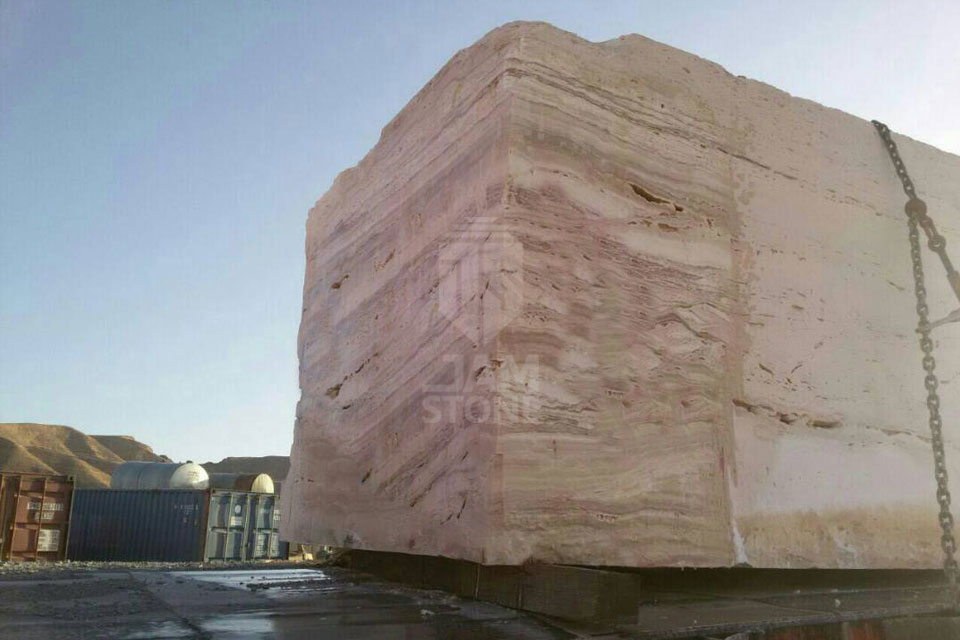
Honey Traonyx is extracted from the quarry in large blocks. These blocks are then transported to processing facilities where they are cut into a variety of formats to suit different projects. The most common forms are large slabs and standard-sized tiles. The stone is also frequently used for custom, cut-to-size projects. While many formats are available, not all are appropriate. For example, due to its delicate nature and low frost resistance, this stone is not considered a realistic or suitable choice for exterior pavers, as it would not withstand the foot traffic or weather conditions.
This is the primary format for Honey Traonyx. Large slabs, typically with a thickness of 2cm or 3cm, are produced. These are ideal for fabricating countertops, large feature walls, and reception desks, as they show off the stone’s large-scale patterns.
The stone is also cut into standard tile sizes for flooring and wall applications. Common dimensions include 30x60cm, 60x60cm, and 40x80cm. These are a good choice for bathrooms, foyers, and accent walls where a repetitive pattern is desired.
We can process Honey Traonyx into custom-cut pieces based on a project’s specific drawings. This includes items like bathroom vanity tops, stair treads, risers, and fireplace surrounds, ensuring a precise fit for custom installations.
The beautiful color and pattern of Honey Traonyx make it an excellent choice for mosaics. The stone can be cut into small, repeating tile patterns. These are most often used as decorative backsplashes in bathrooms or as accent borders in combination with larger tiles.
This format is not recommended for Honey Traonyx. The stone is not durable enough to be used as an exterior paver. It is too soft for heavy foot traffic and will crack or degrade if exposed to freezing temperatures.
This is a common cut-to-size item. We can easily produce thin strips of the stone to be used as baseboards. This creates a high-end, continuous look when paired with a Honey Traonyx tile floor.
For clients with their own processing facilities, Honey Traonyx can be supplied in its raw, quarried form. These large blocks are exported directly from the quarry, allowing fabricators to cut them to their own specific requirements.
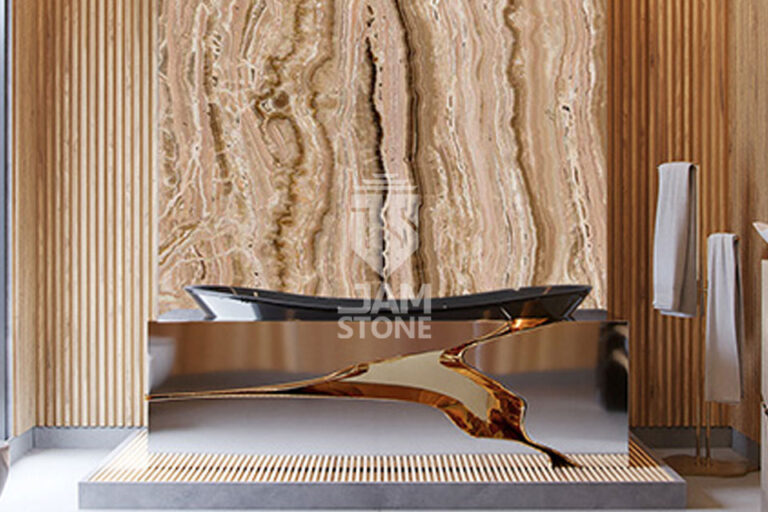
The most popular and striking application for Honey Traonyx is as a backlit feature. Its translucency makes it the perfect choice for bar fronts, hotel reception desks, and statement walls where it can be illuminated from behind. It is also well-suited for many interior wall applications, including “bookmatched” panels that create a stunning, symmetrical art piece. It is often used in luxury bathrooms for vanity tops, shower walls, and tub surrounds. While it can be used for flooring, it is best limited to low-traffic areas. It is not recommended for outdoor use in cold climates or for busy kitchen counters.
It is not possible to state a single price for Honey Traonyx, as the cost varies significantly from one shipment to another. The final price depends on many factors. The most important influence is the “grade” of the stone, which is a visual assessment. Slabs with a clear, vibrant honey color, desirable vein patterns, and a high amount of translucency are graded higher and are more expensive. Other factors include the size of the quarried blocks, the quality of the processing, the type of finish, and the final thickness of the slabs or tiles.
The grade is the primary driver of cost. A stone is graded based on its aesthetic appeal. The most valuable slabs have a bright, consistent honey color and a large amount of translucent area that allows light to pass through. Slabs that are darker, cloudier, or have less translucency are more common and less expensive.
Large, uniform blocks are rarer and more valuable. This is because they can be cut into large, unbroken slabs. These large slabs are necessary for creating “bookmatched” panels, where two slabs are mirrored, and for fabricating large, seamless countertops, which increases their demand and price. For example, a block that yields several large, matching slabs for a feature wall commands a higher price than one that produces only smaller, mismatched pieces.
The skill used to process this fragile stone is a major cost factor. High-quality processing involves precise cutting, expert resin filling to make the surface perfectly smooth, and a deep, consistent polish. A slab that is poorly polished or has visible pits will be significantly cheaper.
A high-gloss polish is the standard and most common finish for Honey Traonyx, as it best displays the stone’s color and translucency. Other finishes, such as honed (matte) or leathered (textured), are also available. These custom finishes may require additional processing steps, which can affect the final cost of the material.
The thickness of the material directly impacts the price. A 3cm thick slab uses more raw material than a 2cm thick slab and is therefore more expensive. Similarly, large-format tiles cost more than smaller tiles due to the higher percentage of waste produced during cutting.
Honey Traonyx is a natural product quarried in Iran. The cost of logistics, including safe packaging, inland transport to the port, ocean freight, and final delivery to the client’s location, is a significant part of the final price. Availability can also fluctuate based on quarry production.
The journey of Honey Traonyx begins at the quarry, where enormous blocks are precisely cut from the mountain using diamond wire saws. These raw blocks are then transported to a processing facility. At the factory, the blocks are sliced into individual slabs, usually 2cm or 3cm thick, by a large gang saw. After being cut, the slabs go to the finishing line. Here, they are polished to a high gloss and a liquid resin is applied to the surface to fill any natural voids or micro-fissures; many producers also apply a fiberglass mesh to the back to improve handling stability. After a final quality inspection, the slabs are packed into wooden crates for international shipping.
Proper installation and maintenance are essential for Honey Traonyx. For installation, a high-quality, deformable (S1 or S2) cement-based adhesive is recommended; a white adhesive should be used to prevent staining. For large tiles, the “double-buttering” method, where adhesive is applied to both the floor and the tile, is necessary. Grout joints should be between 2-4mm. The most common pitfall is improper cleaning. The stone must be sealed after installation and cleaned only with a pH-neutral stone cleaner. Never use vinegar, bleach, or any acidic or abrasive cleaners, as they will damage the surface.
JAM Stone Co. manages an end-to-end supply chain for Honey Traonyx, ensuring quality from the source to the final client. We maintain long-term relationships with the most reputable mine owners in key stone-producing regions of Iran. This direct access allows us to select the best raw blocks. Our factories then use state-of-the-art processing technologies, including precision polishing lines and waterjet cutting, to fabricate the stone. Our integrated operations are supported by robust, in-house quality assurance systems, which guarantee consistency in grading, thickness, and finishing for every batch we ship.
We are focused on building buyer confidence for global procurement. JAM Stone Co. supports this through multi-stage quality inspections, where our teams check for visual grading, surface flatness, and edge integrity. We comply with international standards and hold certifications (such as ISO and CE) for our products. We have a strong export track record, with efficient logistics and secure crating for global shipping to regions like the GCC, Europe, and East Asia. We also offer MOQ flexibility for both large-scale commercial projects and smaller custom orders, including support for client-specific cutting requests.
Our control over the raw material supply begins at the source. We have direct access to strategic reserves of Honey Traonyx from premier quarries located in Iran’s most geologically important stone regions. This direct access ensures we have a consistent, uninterrupted supply of high-quality blocks. The quarries we work with are known for their premium beds, which produce blocks with excellent color consistency and the desirable veining patterns that define this stone. This control over provenance allows us to select the best raw materials specifically for our clients’ needs.
JAM Stone Co. ensures professional and safe packaging for all domestic and international shipments. To protect the stone, we use foam sheets between polished surfaces to prevent scratches and place corner protectors on finished edges. The slabs or tiles are then packed into strong, fumigated wooden crates with moisture-resistant wrappings. We offer options for bulk palletizing or individual crating depending on the project size. Our logistics team also focuses on container optimization, loading containers efficiently to lower shipping costs for our clients and reduce the risk of breakage during transit.
is one of the most beautiful and unique marbles in the world, rarely found in nature.


In international markets, Honey Traonyx is highly prized for its unique beauty and luxurious appeal. Its distinctive honey-colored veining and rare availability make it a sought-after material in high-end residential and commercial projects around the globe. Key markets for Honey Traonyx include North America, Europe, and the Middle East, where it is used in upscale interior designs, including lobbies, bathrooms, and high-end flooring. Prominent suppliers of Honey Traonyx are often found in regions with rich onyx deposits, such as parts of Turkey and Iran.