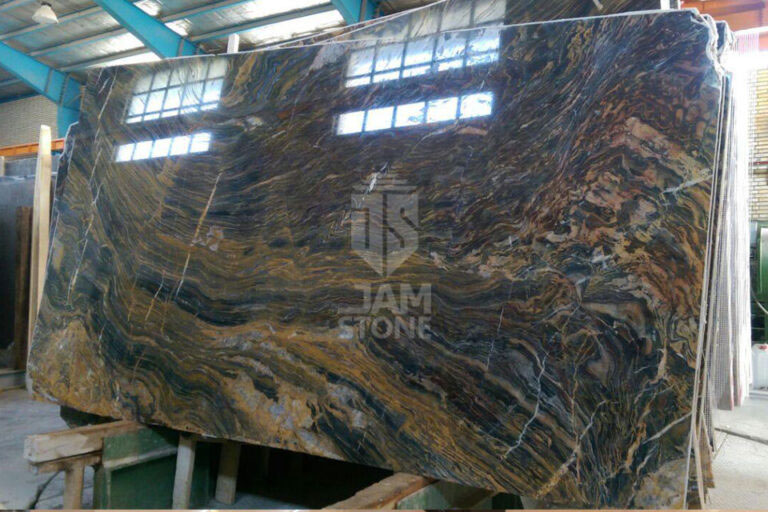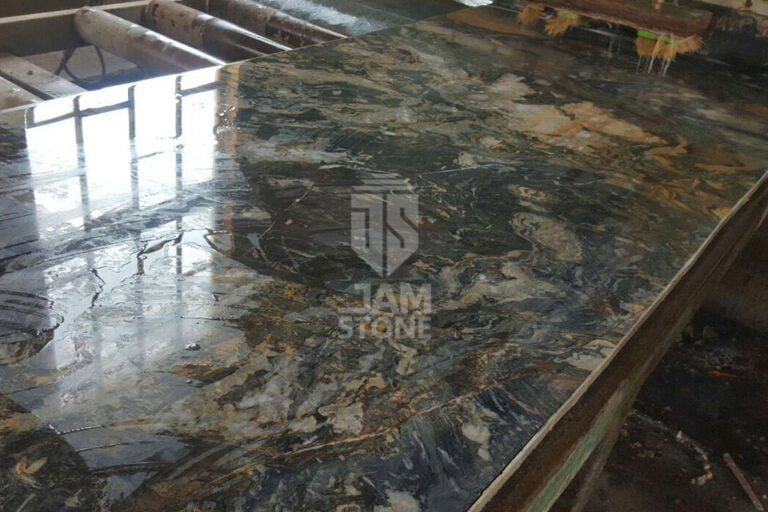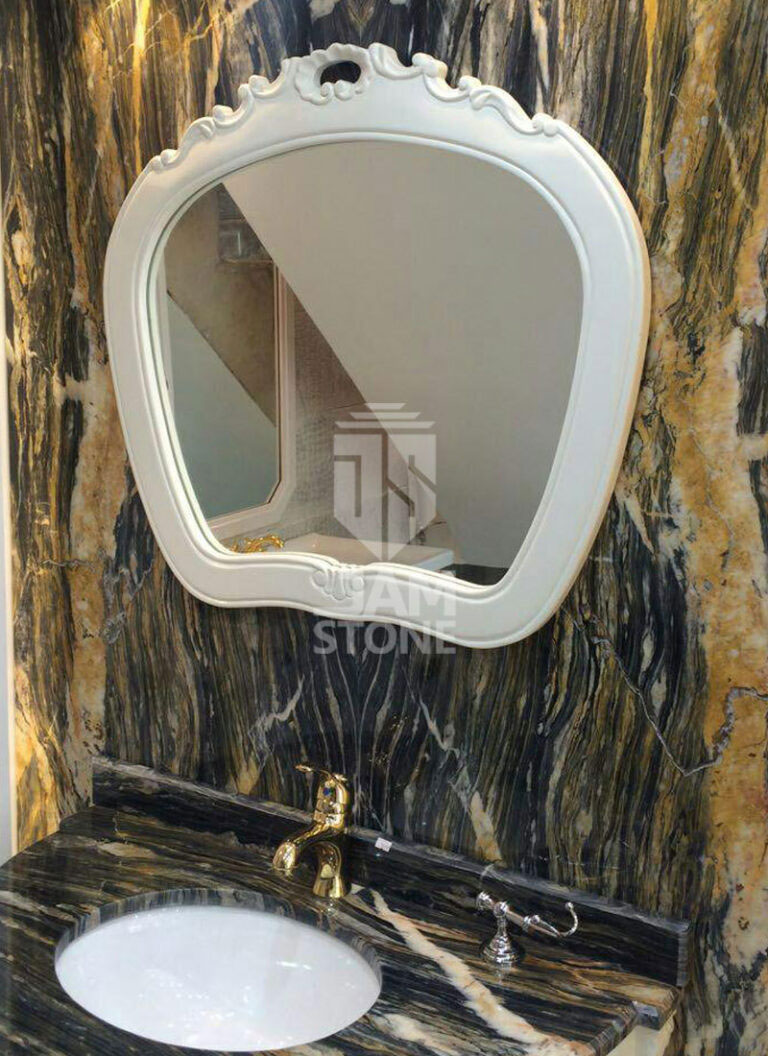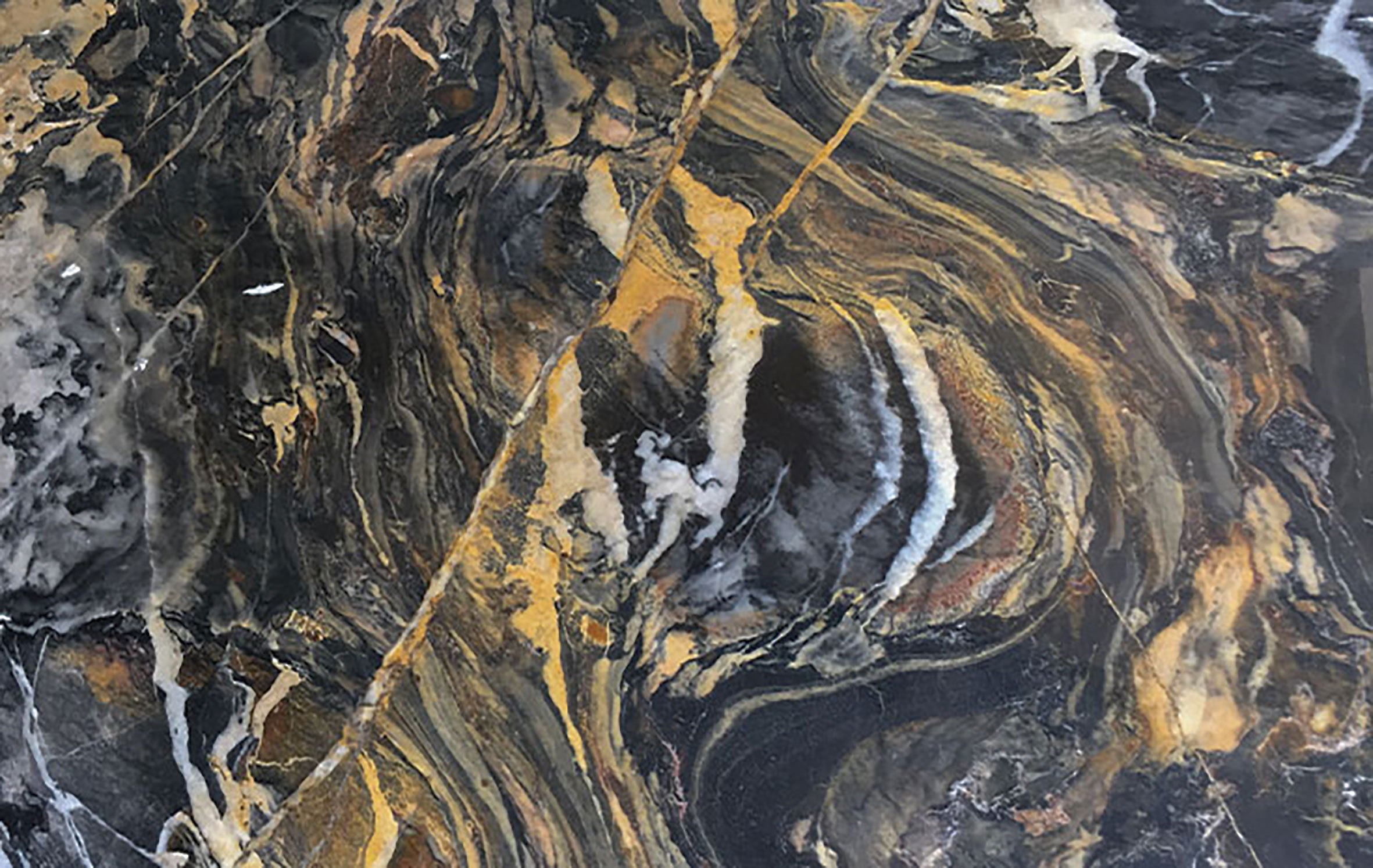
Blue Jeans Marble is a rare gem in the world of design, effortlessly merging the laid-back style of denim with the permanence of natural rock. Have you ever pictured a material that captures the cool, textured look of blue fabric within a solid, polished surface? This distinctive stone offers exactly that, featuring a mesmerizing fusion of steel-grey, blue-grey, and earth-tone veins. It is a top choice for architects aiming to craft spaces that are contemporary yet inviting. Let’s explore why this elegant stone has become a favorite among designers and architects worldwide.
In luxury construction, the difference between a masterpiece and a mediocre result often lies in the source of your materials. Securing a reliable partner who comprehends the complexities of exotic stones is essential for project success. JAM Stone Co. has established itself as a premier destination for high-grade natural stone, prioritizing quality above all else. We bridge the distance between remote quarries and your specific design needs. Trusting us ensures you receive consistent, premium slabs that bring your creative vision to life without compromise.
Blue Jeans Marble is a stunning crystalline rock primarily quarried in Turkey, celebrated for its resemblance to denim fabric. It is not just a grey stone; it is a complex interplay of colors that creates a visual texture unlike any other. The stone is often referred to by names such as Blue Jeans Gray, Blue Jeans Turkey, or simply Blue Jeans Marmor in international markets. Its popularity stems from its ability to bridge the gap between casual comfort and luxury design. This material is widely used in contemporary architecture for flooring, wall cladding, and decorative elements.
From a technical perspective, this stone offers the durability expected from high-quality marble. It possesses a dense structure that makes it suitable for various indoor applications. The bulk density typically ranges around 2,650 to 2,750 kg/m³, indicating a solid and heavy material. Water absorption is generally low, often falling between 0.15% and 0.30% by weight, which helps it resist moisture penetration to a reasonable degree. While it is strong, it is still a calcite/dolomite-based stone, meaning it requires standard care. These structural properties ensure that it can withstand daily wear while maintaining its distinctive beauty over time.
This stone is primarily composed of calcite and dolomite minerals, which form its crystalline base. The unique blue and grey coloration comes from specific carbonaceous mineral impurities present during its formation. It also contains iron oxides that create the characteristic brown or rust-colored veins, adding warmth to the cool background tones.
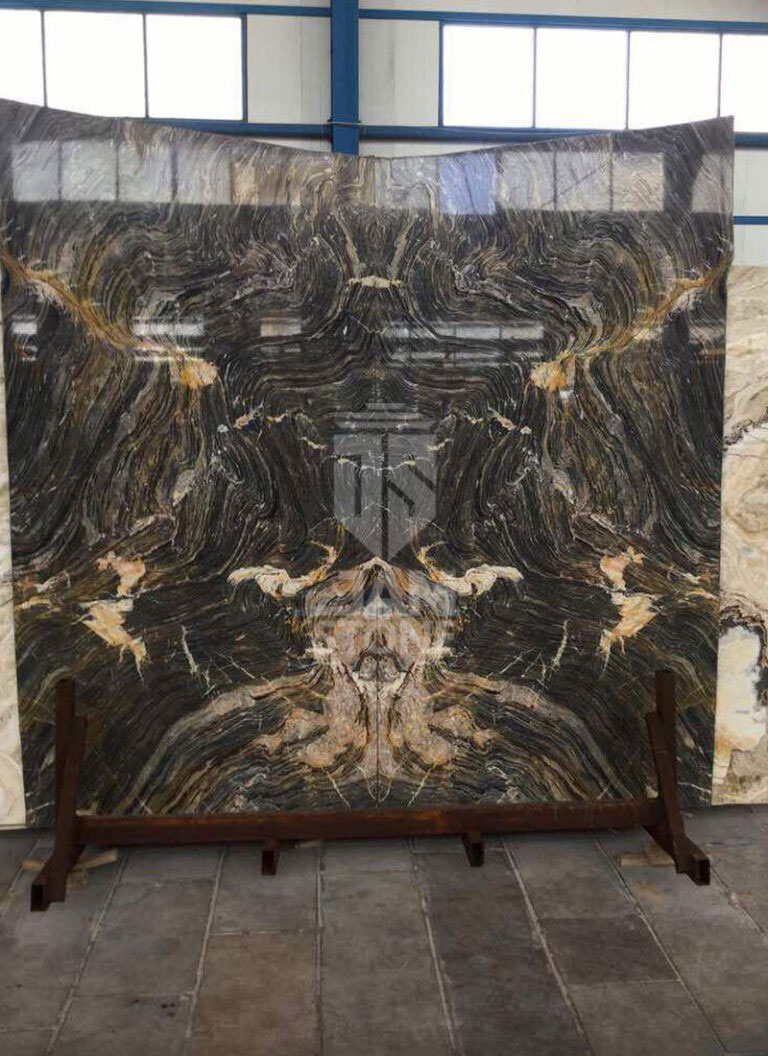
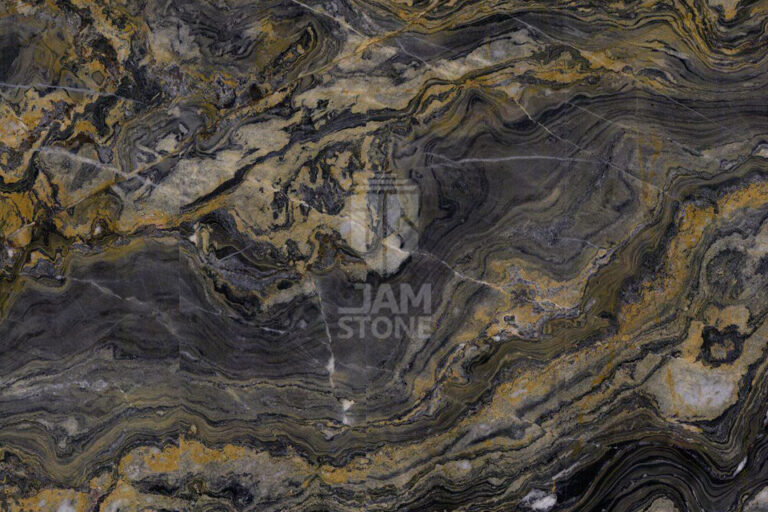
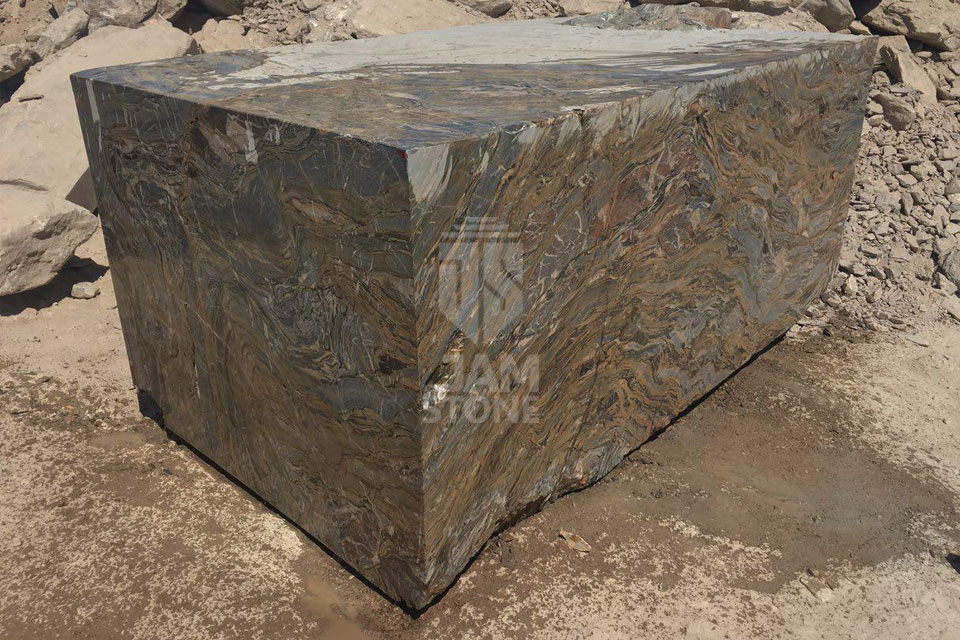
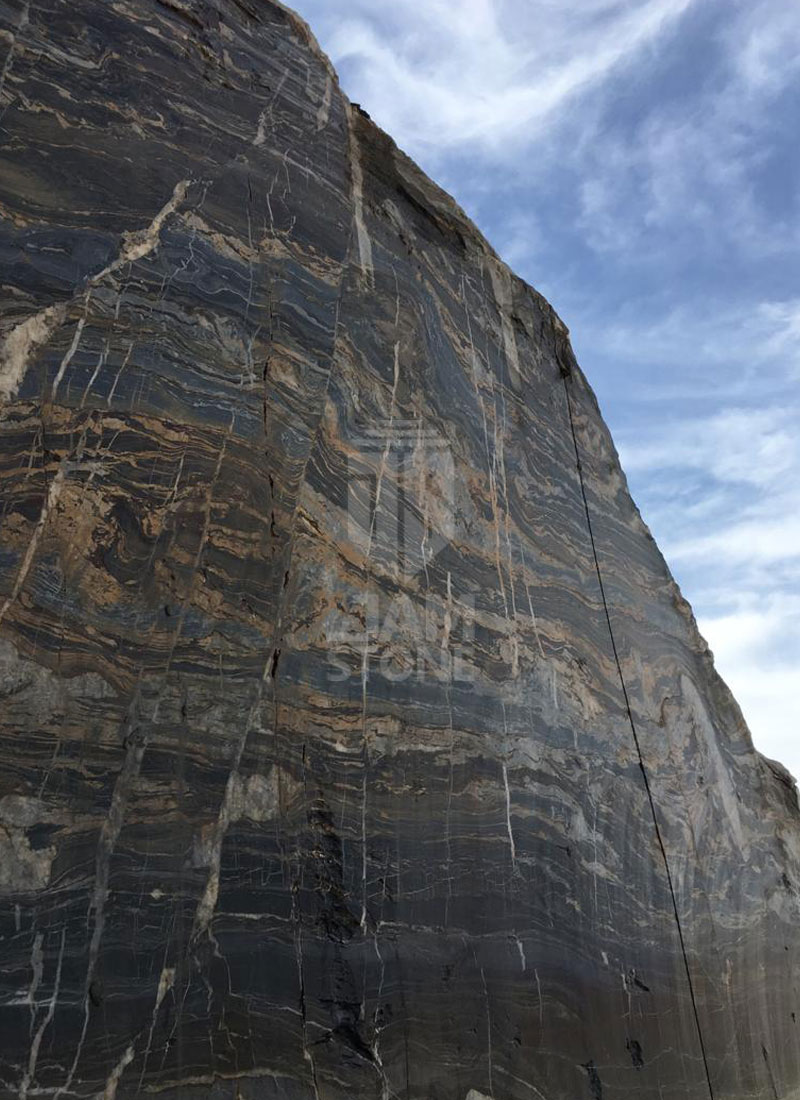
The base hue spans a spectrum from medium grey to a distinct steel-blue or blue-grey, resembling washed denim. The vein density varies from block to block, featuring irregular streaks of white calcite and golden-brown lines. The pattern is generally non-directional and wavy, creating a dynamic and organic look on any surface.
The measured bulk density creates a heavy and solid feel, ensuring the stone is robust enough for flooring. Its porosity is relatively low for a marble, meaning the open pores are minimal. However, like most natural stones, it still benefits from penetrating sealing to close any microscopic gaps and prevent staining.
On the Mohs scale of mineral hardness, this marble typically falls between 3 and 4. Its compressive strength is substantial, usually around 90 to 110 MPa, making it resistant to crushing loads. The flexural strength allows it to handle standard traffic, though it is softer than granite or quartzite options.
It is common to find natural fissures, small pinholes, or “taroli” in the raw material. These are not defects but natural characteristics of the stone. During processing, these tiny voids are professionally filled with high-quality epoxy resin to ensure a smooth, glass-like finish that is perfectly safe for installation.
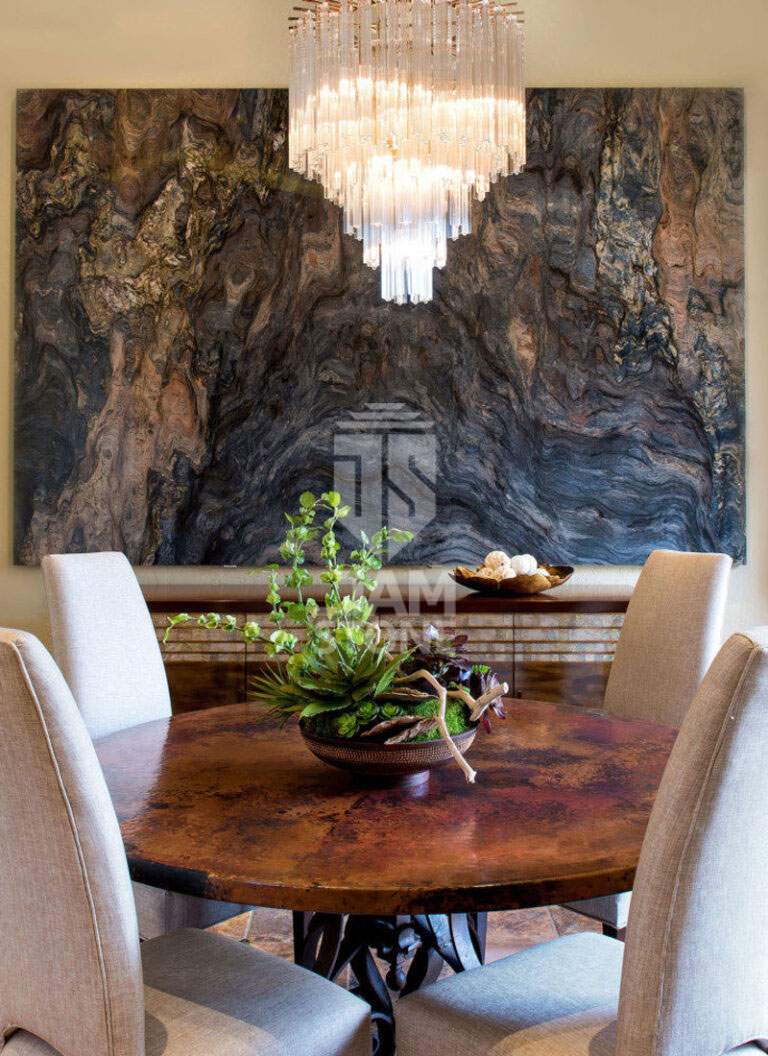
The visual impact of this material is its most defining feature, offering a sophisticated blend of cool and warm tones. The surface often looks like a piece of abstract art, with swirling colors that draw the eye immediately. When polished, the stone achieves a high gloss that enhances the depth of the blue and grey shades. It is important to note that the appearance can vary slightly between bundles, so inspecting the specific batch is recommended. The interplay of light on the surface highlights the intricate details, making it a centerpiece in any room.
The stone exhibits opacity (low translucency), giving it a solid and substantial appearance. It reacts beautifully to a high-gloss polish, which deepens the colors and contrast. Alternatively, honed or brushed finishes soften the look, making the “denim” effect even more realistic and suitable for modern, matte-finish interior design styles.
In a polished finish, the surface is perfectly smooth and reflective, offering a sleek sensation. Honed versions provide a satin-like feel that is softer to the touch. The stone remains cool, which is pleasant in warm climates, but it lacks the tactile warmth of wood or carpet underfoot.
While durable, the color stability can be affected by intense, direct UV exposure over many years, potentially fading the blue tones to a lighter grey. It has moderate resistance to freeze-thaw cycles, so it is safer for indoor use. In outdoor settings, extreme temperature fluctuations might cause surface weathering or micro-cracking over time and the polished finish will dull rapidly.
Composed largely of calcium carbonate, this stone is sensitive to acidic substances. Contact with lemon juice, vinegar, or harsh bathroom cleaners will cause immediate etching or dull spots on the polished surface. It requires pH-neutral cleaning products and regular sealing to protect the finish from chemical damage and everyday spills.
Market availability for this stone includes a wide range of formats to suit different construction needs. Large slabs are the most common form for export, allowing fabricators to cut custom pieces for countertops or feature walls. Standard tiles are also produced in factories for easier handling and installation in residential projects. While the material is strong, very large, thin tiles may be fragile during transport. Therefore, standard thicknesses of 2 centimeters and 3 centimeters are the industry norm. Custom sizes can always be requested, provided the raw block dimensions allow for the specific cut.
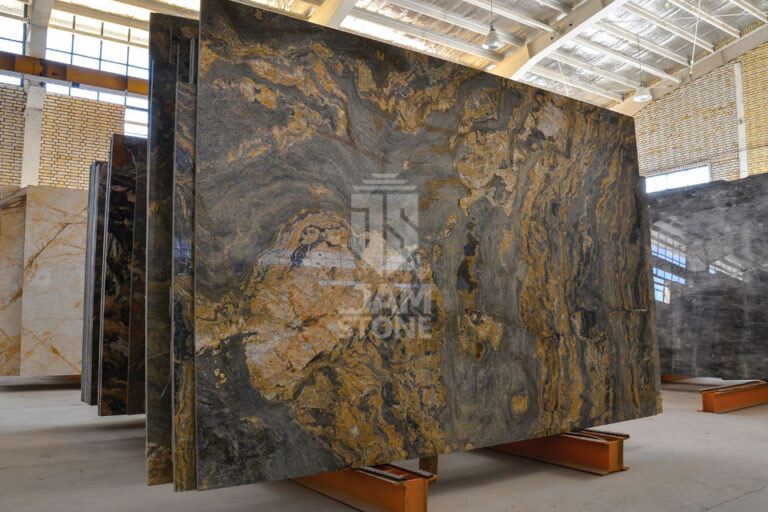
Large gangsaw slabs are typically available, often measuring around 240 centimeters in length and 140 centimeters in height. These are usually offered in 2-centimeter and 3-centimeter thicknesses. The large surface area is ideal for minimizing seams in countertops or expansive wall cladding projects, showcasing the continuous vein pattern.
Common pre-cut sizes include 30×60, 60×60, and 80×80 centimeters, which are easy to install. Larger formats like 60×120 centimeters are becoming popular for modern floors. The thickness for tiles is usually calibrated to roughly 2 centimeters to ensure they are durable enough for foot traffic without excessive weight or breakage risk during handling.
This format is perfect for specific architectural elements like window sills, stair treads, and risers. Factories can cut the stone to exact project specifications, ensuring a perfect fit. This service reduces waste on the job site and allows for precise design execution in complex areas like lobbies or staircases.
Smaller pieces are mounted on mesh backing to create intricate patterns like hexagons, herringbones, or basketweaves. These are excellent for shower floors or kitchen backsplashes where slip resistance and visual detail are needed. Mosaics utilize off-cuts, making them a sustainable choice that adds high value to small spaces.
While less common for this specific decorative marble, pavers can be produced for covered patios or walkways. They must be at least 3 centimeters thick to withstand load and feature a textured (tumbled, sandblasted, or bush-hammered) finish to increase slip resistance. They are best used in covered outdoor areas to protect the stone from severe weather.
Baseboards are essential for finishing a floor installation neatly and protecting the walls. These are usually cut from the same batch as the floor tiles to ensure a perfect color match. Standard heights range from 8 to 10 centimeters, often with a polished or beveled top edge for elegance.
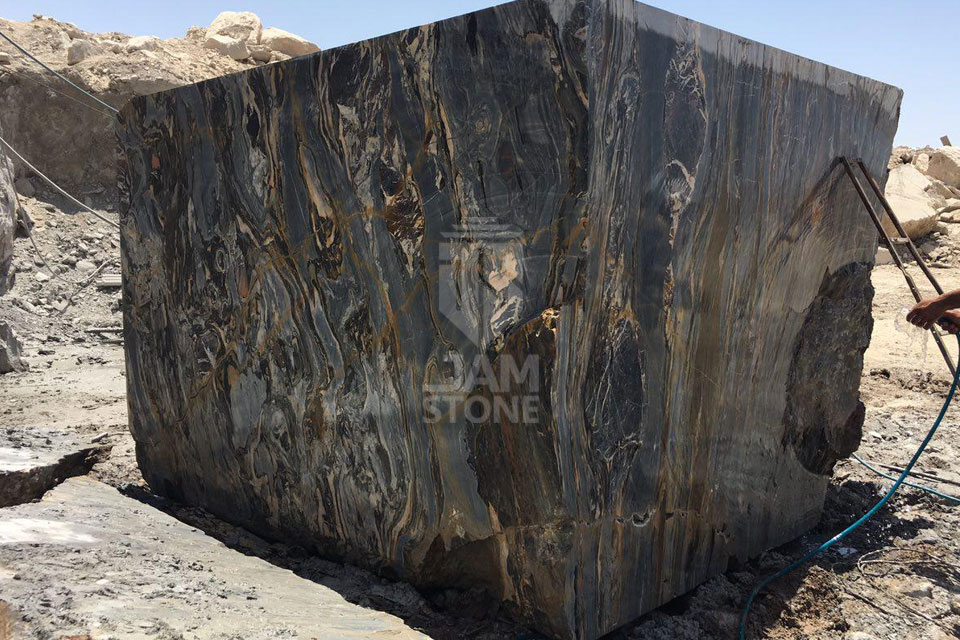
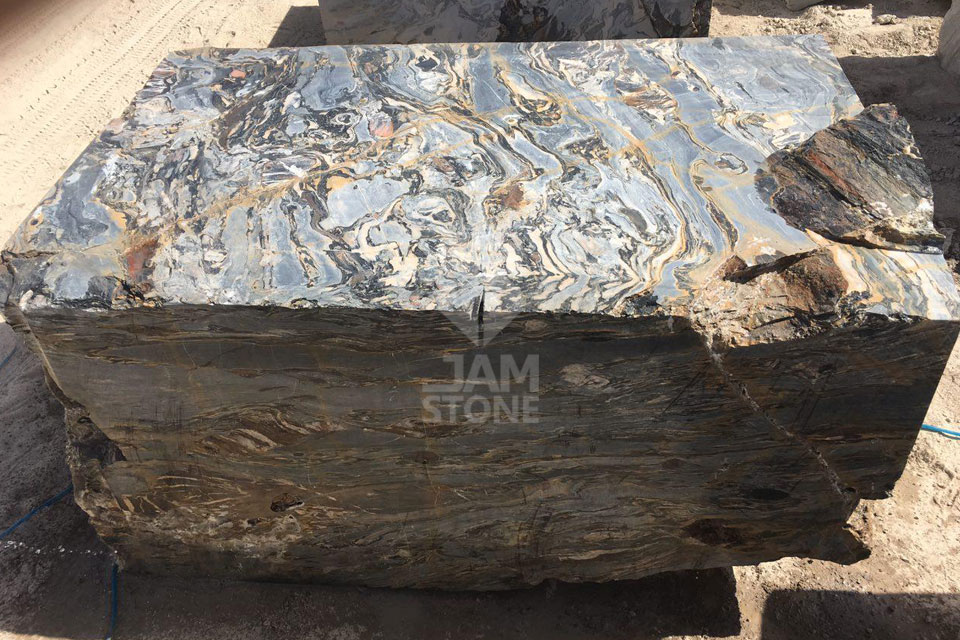
Raw blocks are available for purchase by large factories that have their own cutting and processing facilities. These blocks are extracted directly from the quarry and are graded based on size and vein consistency. Purchasing blocks is typically reserved for major commercial projects or international stone distributors and processors.
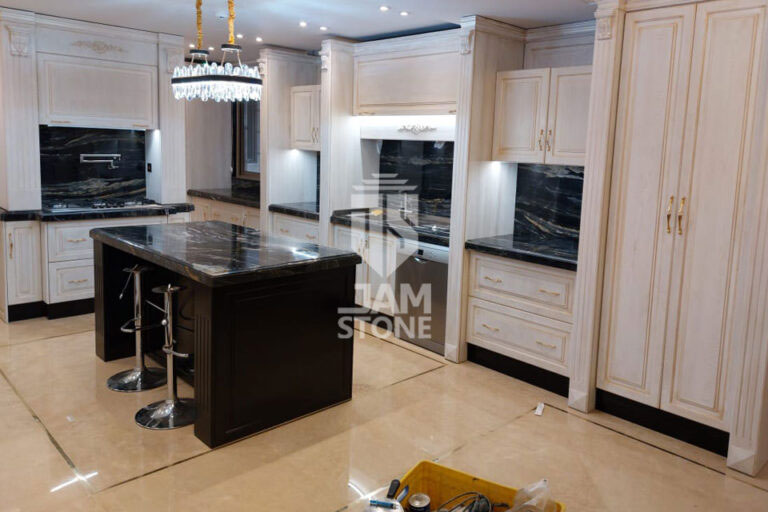
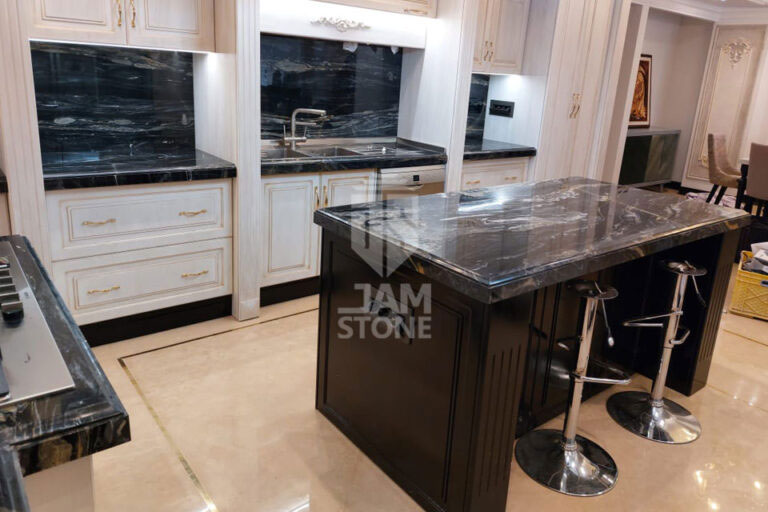
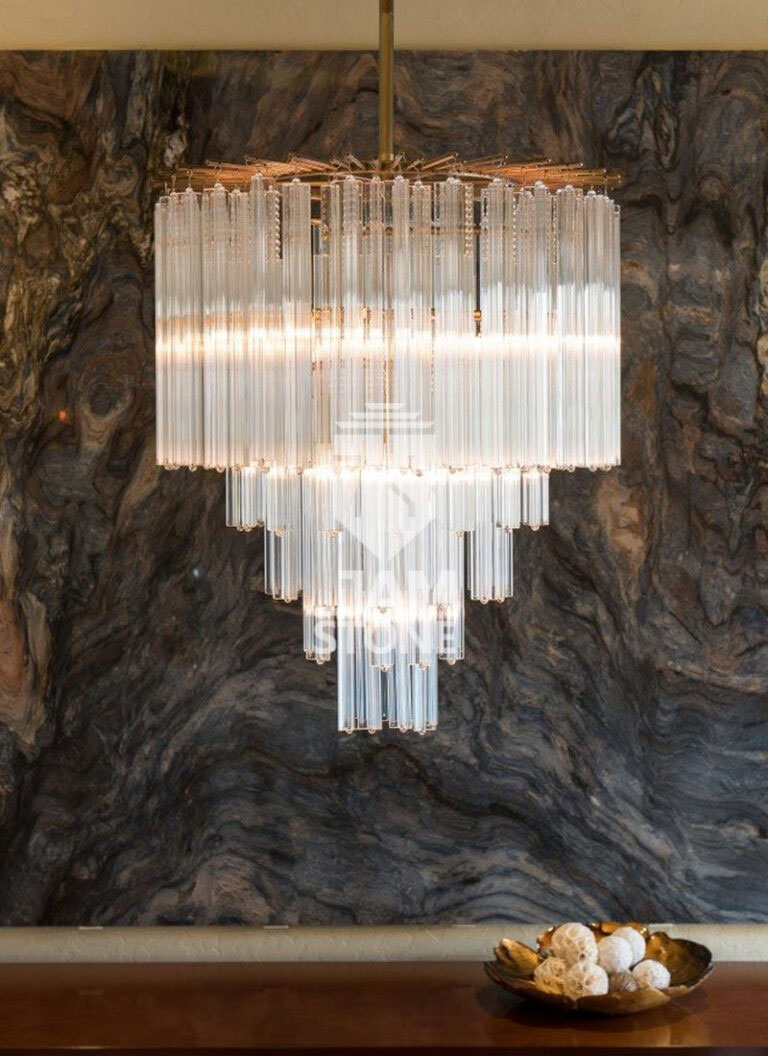
The versatile nature of this stone allows it to be used in a variety of sophisticated settings. It is a top choice for interior flooring in living rooms and hotel lobbies, where its unique color hides dust well. Wall cladding is another excellent application, turning a plain surface into a dramatic focal point. Designers also frequently use it for bathroom vanity tops and shower surrounds. However, due to its acid sensitivity, it is less recommended for busy kitchen countertops unless the owner is committed to diligent maintenance and regular sealing against both etching and oil staining.
The cost of this natural material varies significantly based on several key factors rather than a fixed standard rate. It is positioned in the mid-to-high range of the market due to its unique aesthetic and extraction costs. Prices fluctuate depending on the quality of the specific bundle and the current demand for blue-toned stones. Customers should avoid expecting a single catalog price, as natural variations mean every block holds a different value. To get an accurate estimate, it is best to consult with suppliers about current stock levels and specific project requirements.
The visual uniformity and lack of defects determine the grade, such as “First Choice” or “Standard”. Premium slabs with balanced veining and minimal color spots command a higher price. Lower grades may have more irregular patterns or visible repairs, making them a more budget-friendly option for certain projects.
Larger blocks yield bigger slabs with fewer wasted off-cuts, which increases their market value. When a quarry produces exceptionally large and sound blocks, the resulting material is priced higher. Conversely, smaller blocks used for tiles or mosaics are often more affordable due to the lower yield efficiency.
The quality of the resin, mesh, and polishing pads used in the factory affects the final cost. Slabs processed with high-end Italian abrasives and premium epoxy fillers will be more expensive. This superior processing ensures a mirror-like finish and structural integrity, justifying the additional investment for the buyer.
Standard polished or honed finishes are generally included in the base price of the slab. However, specialized textures like leathered, bush-hammered, or sandblasted finishes require extra steps and machinery. These additional processing stages increase labor and time, resulting in a higher cost per square meter for the final product.
Thicker slabs, such as 3 centimeters, contain more raw material and are heavier to transport. This naturally makes them more expensive than the standard 2-centimeter options. The increased weight also impacts shipping and handling costs, which are factored into the final price provided to the customer or contractor.
The distance from the quarry or factory to the final destination plays a major role in pricing. Logistics costs, including sea freight, port handling, and local delivery, are significant. Additionally, the availability of containers and current fuel surcharges can cause the delivered price to fluctuate throughout the year.
The journey of this stone begins deep within the earth where it is carefully extracted using diamond wire saws. This gentle extraction method prevents micro-cracks and preserves the integrity of the large blocks. Once removed from the mountainside, the raw blocks are inspected and graded before being transported to the processing facility. This initial stage is critical because selecting the right block determines the final look of the slabs. The quarrying process is labor-intensive and requires skilled machinery to handle the immense weight of the raw stone safely.
At the factory, the blocks are cut into slabs using massive gangsaw machines that work continuously for days. These raw slabs are then treated with resin and mesh to fill any natural pores and reinforce the structure. Finally, the stone goes through a polishing line where it is buffed to the desired finish, revealing its true colors. After a final quality check, the finished products are crated and loaded onto trucks or containers. They are then shipped globally to warehouses or directly to job sites for installation.
Proper installation is the foundation of a long-lasting stone surface, starting with the use of the correct adhesives. It is highly recommended to use white thin-set mortar to prevent any dark shadows from showing through the lighter parts of the stone. Installers should also ensure that the substrate is perfectly level to avoid cracks over time. Grout lines should be kept as thin as possible to maintain a seamless look. Sealing the stone immediately after installation is mandatory to protect it from construction dust and initial moisture absorption.
For daily maintenance, homeowners should use a soft cloth and a pH-neutral cleaner designed specifically for natural stone. Avoiding harsh chemicals like bleach, ammonia, or vinegar is crucial, as they can dull the polish and etch the surface. Spills, especially from acidic liquids like wine or lemon juice, must be wiped up immediately. Re-sealing the surface every one to two years helps maintain its resistance to stains. With simple care habits, the stone will retain its elegance and durability for decades without significant degradation.
At JAM Stone Co., we believe in controlling the entire supply chain to guarantee perfection from extraction to final sale. We maintain strong alliances with elite mine owners, ensuring we always have first pick of the finest raw blocks available. Our factories are equipped with advanced machinery, including precision waterjets, to deliver exact cuts and flawless finishes. As a dedicated Provider of Blue Jeans Marble, we enforce strict quality protocols to ensure uniform thickness and grading. This comprehensive approach allows us to meet rigorous international standards with every shipment.
We place immense value on client trust, which is why every slab undergoes a rigorous multi-point inspection process before shipping. Our experts scrutinize the stone for surface smoothness, edge durability, and color harmony to prevent any surprises. We take pride in our role as a leading Supplier of Blue Jeans Marble, successfully outfitting projects throughout Europe, East Asia, and the GCC. Whether you require a small bespoke order or high-volume containers, our flexible policies accommodate all needs. Our logistics team guarantees safe, timely arrival anywhere in the globe.
Our competitive advantage stems from our direct involvement with the geological sources of this magnificent stone. We source from regions renowned for their rich, consistent deposits, ensuring a steady flow of high-quality material. Acting as a specialized Exporter of Blue Jeans Marble, we grant our customers access to the most exclusive quarry beds known for superior veining. We also champion environmentally responsible extraction techniques that protect the landscape. This direct oversight of the origin allows us to promise unyielding quality and supply chain security.
Protecting your investment during long-haul transport is as critical to us as the manufacturing process itself. We employ industrial-grade packaging solutions, such as shock-absorbing foam and waterproof barriers, to shield the stone from impact and moisture. Slabs are braced in fumigated timber bundles, while tiles are boxed and crated for maximum stability. We calculate container loads precisely to lower freight costs and eliminate movement during sea transit. Each crate is meticulously labeled with detailed batch information, ensuring smooth logistics and easy identification upon delivery.
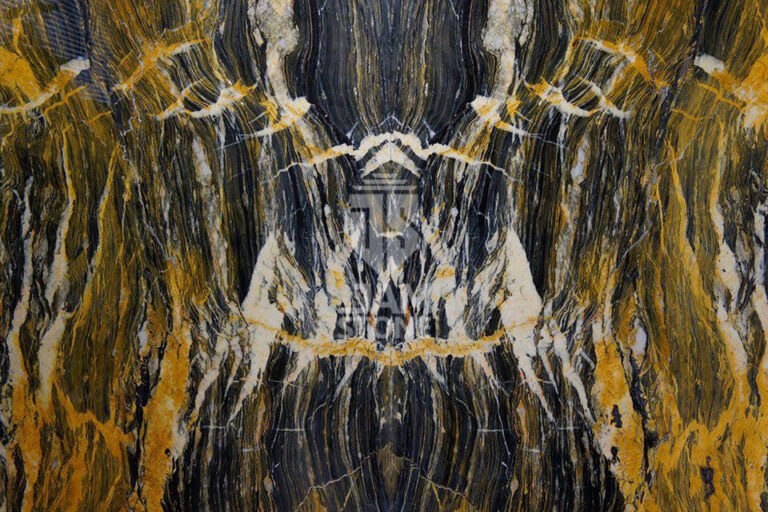
sounds stunning, with its distinctive black background and striking white and yellow streaks. The way the waves flow through the stone must create a mesmerizing effect.
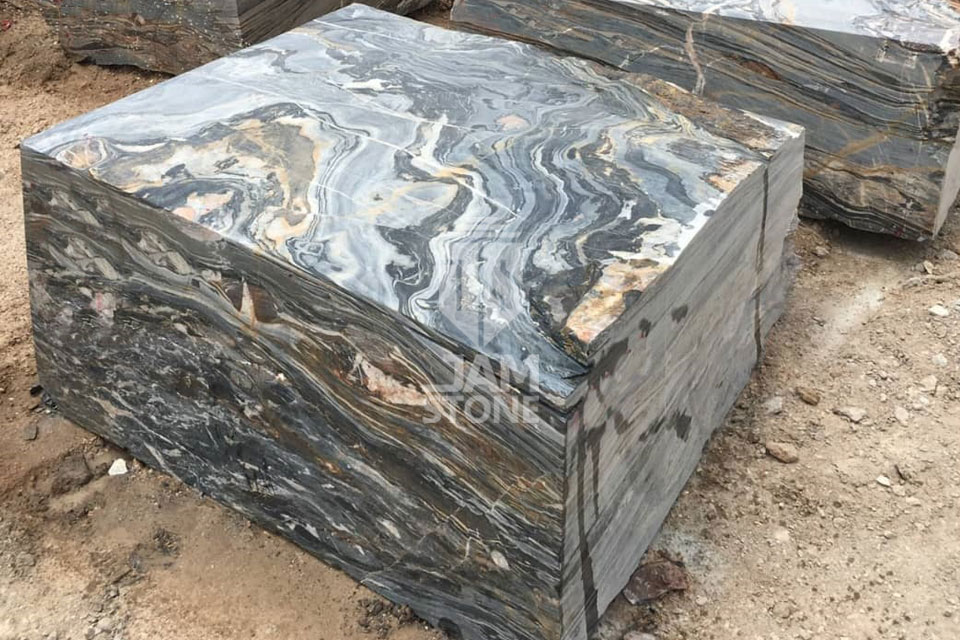
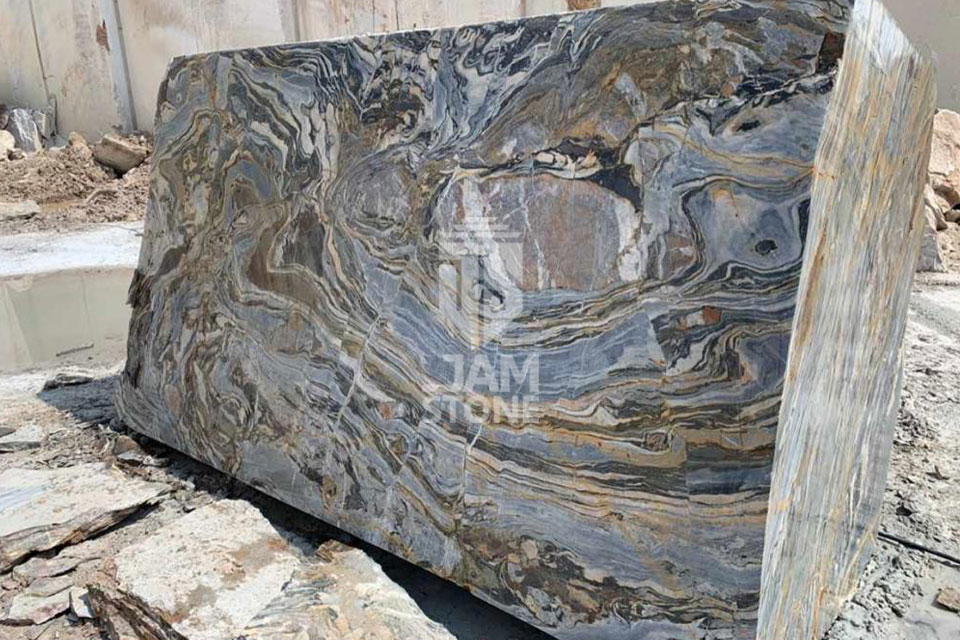
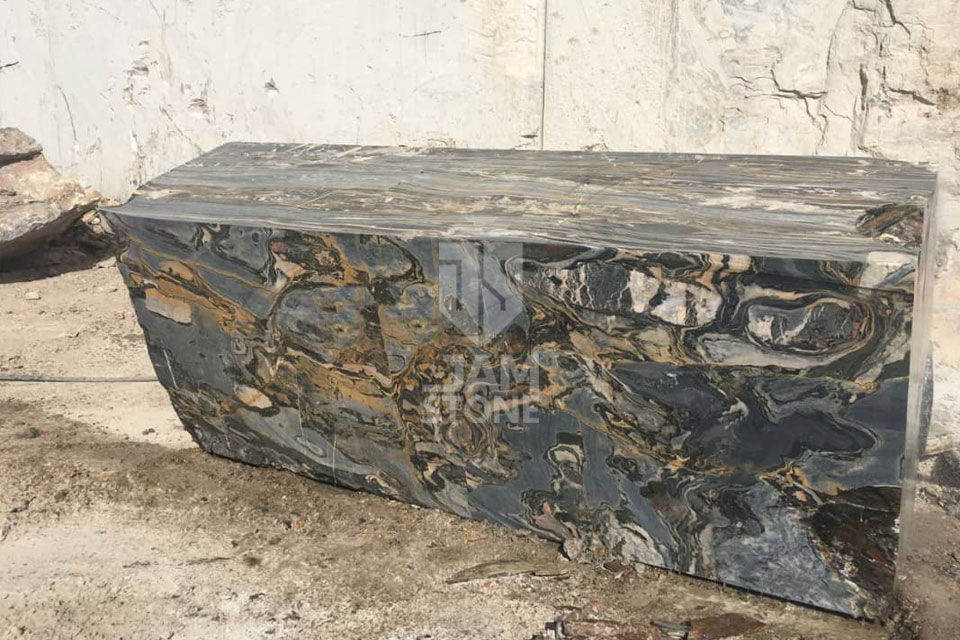
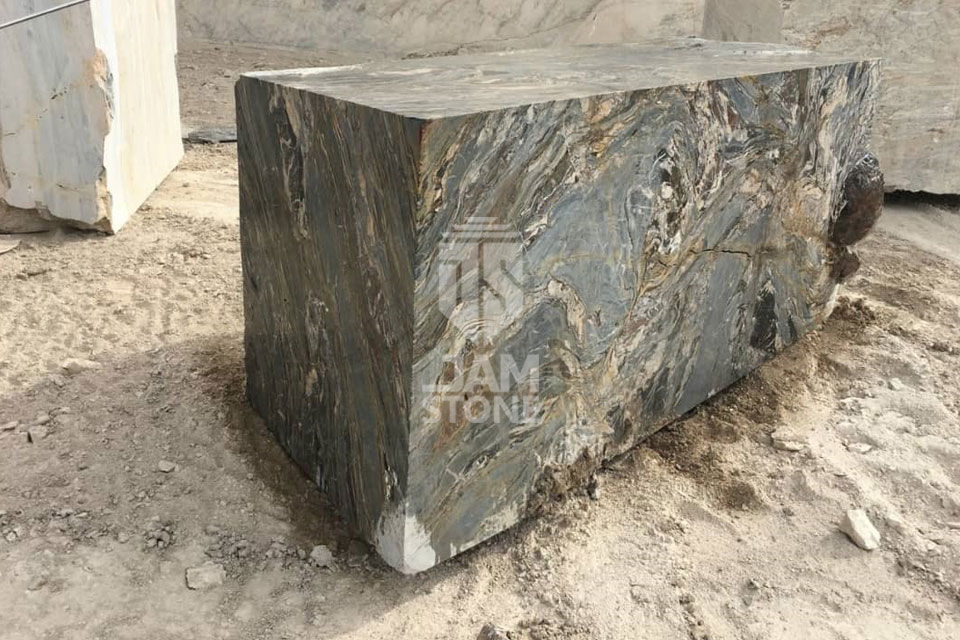
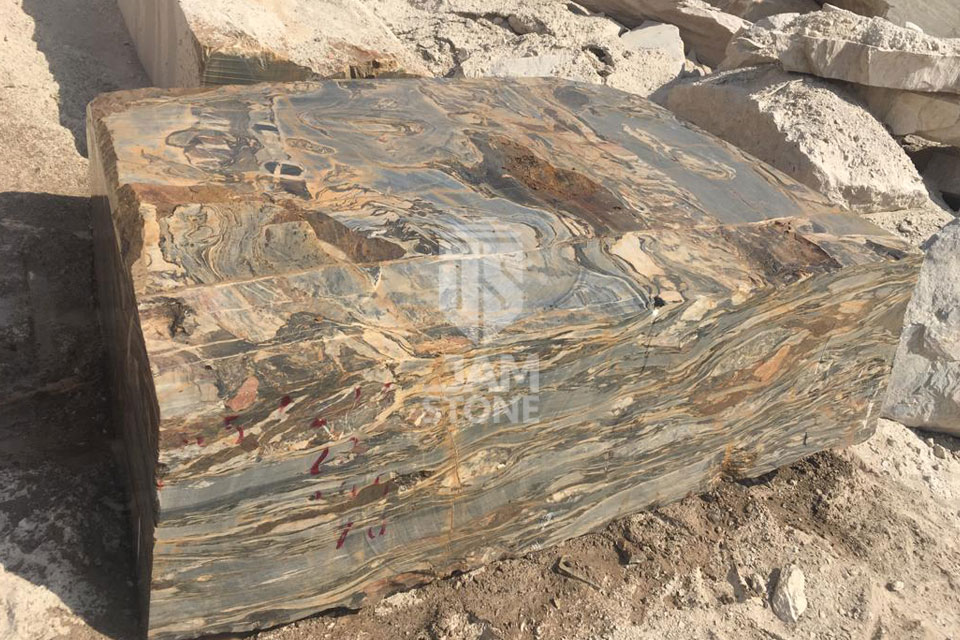
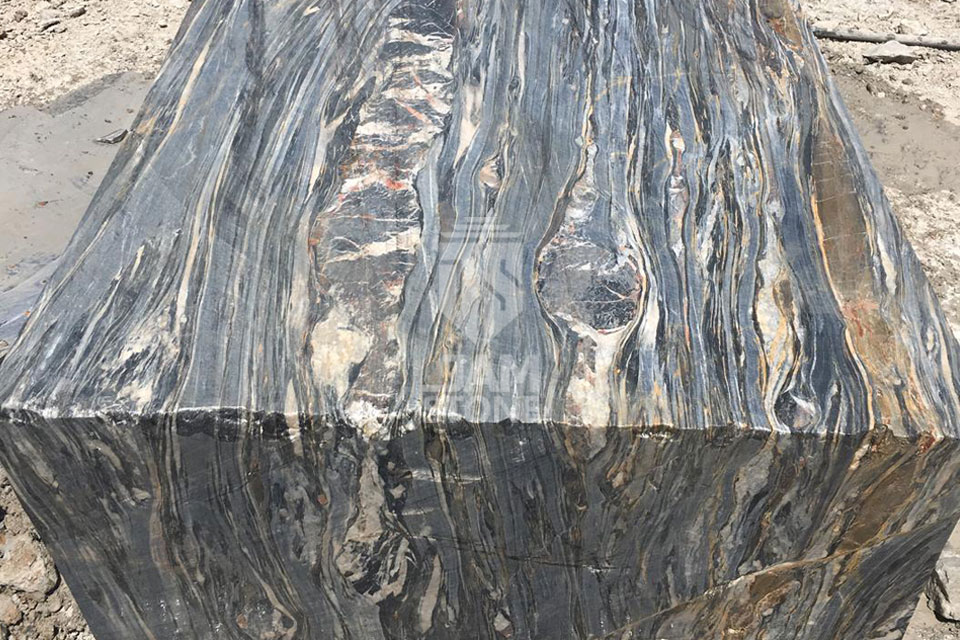
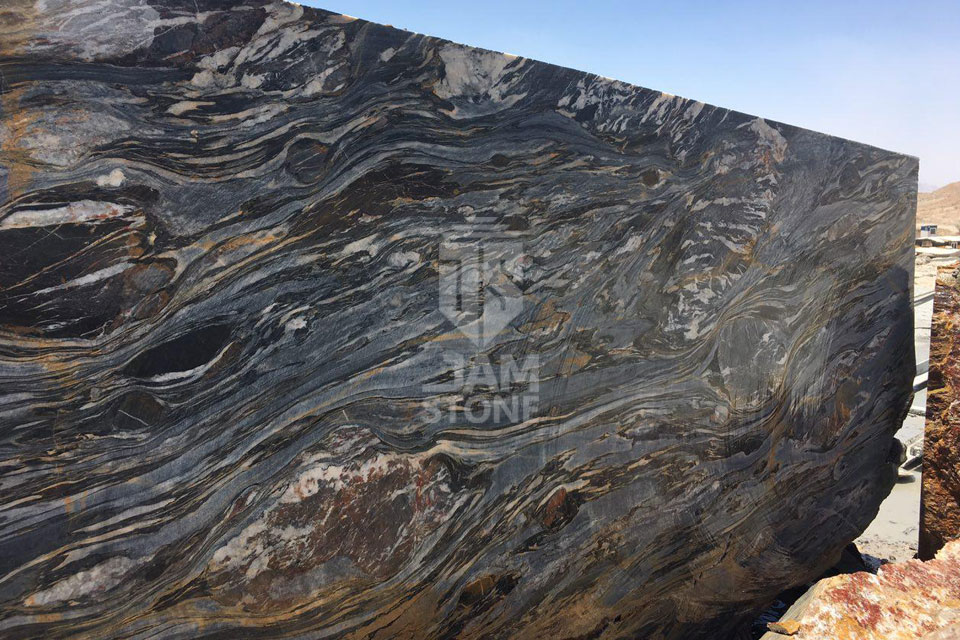
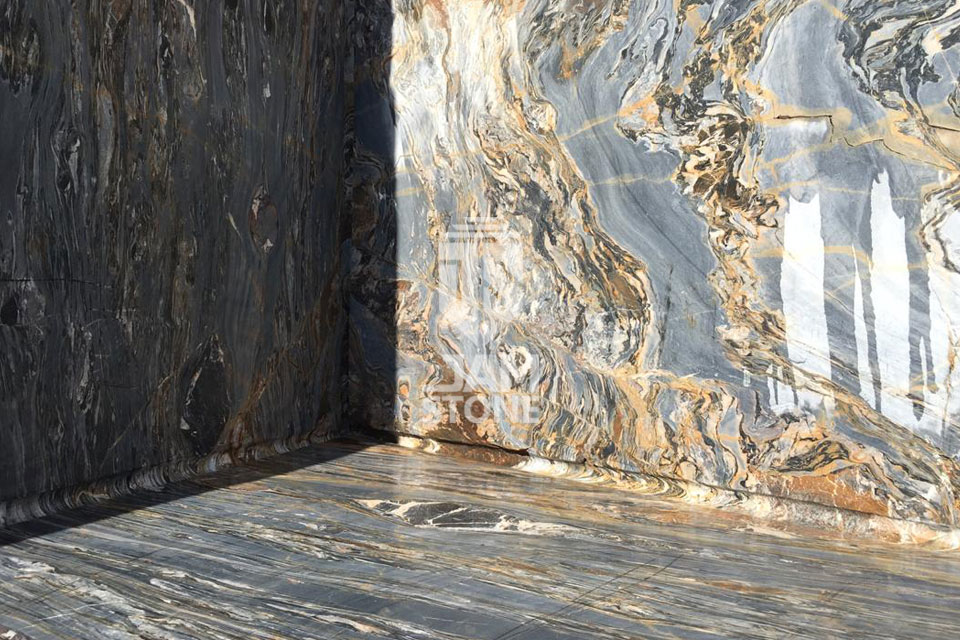

Blue Jeans Marble, with its captivating aesthetics and high-quality properties, is sought after by various countries worldwide, including several European nations. European countries such as Italy, Spain, Greece, and Turkey are known for their appreciation of fine marble and often import Blue Jeans Marble for use in architectural and interior design projects. Italy, in particular, renowned for its rich tradition in marble craftsmanship, may import Blue Jeans Marble for luxury residential and commercial developments, as well as for iconic landmarks and monuments