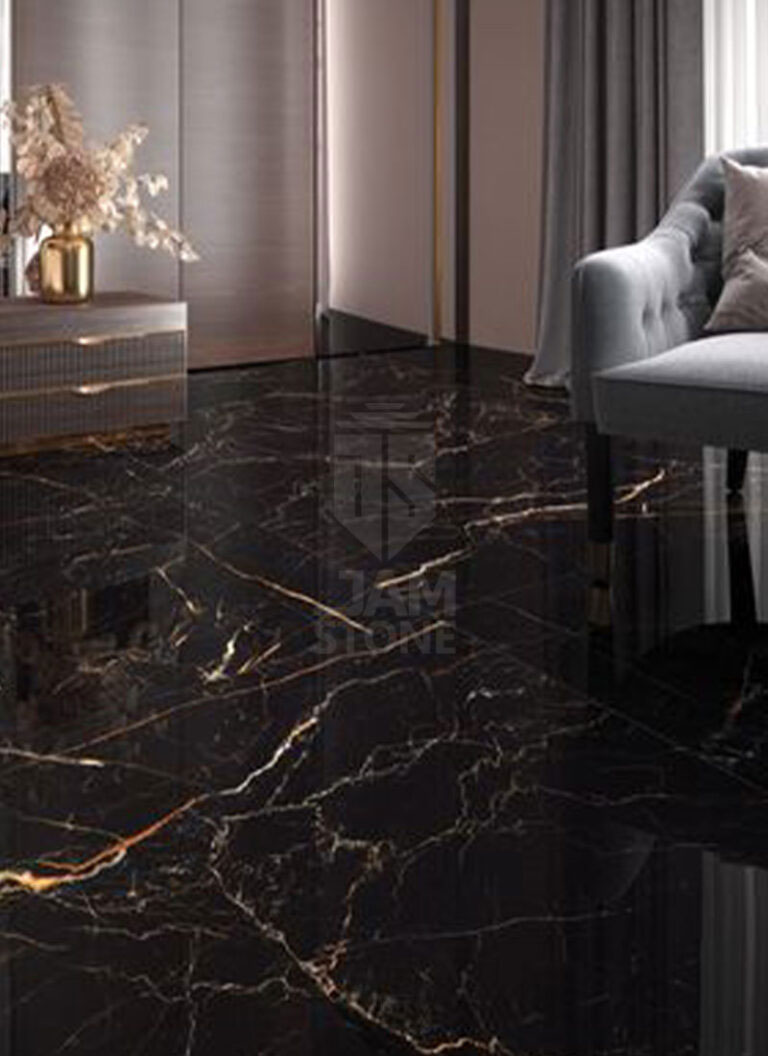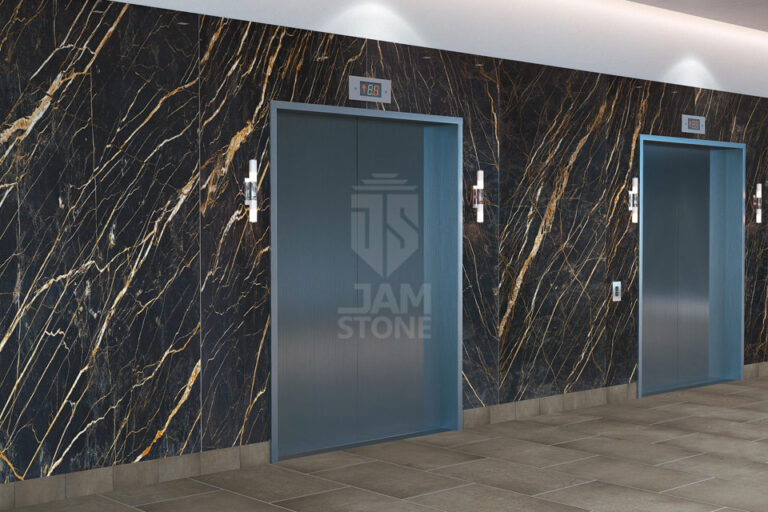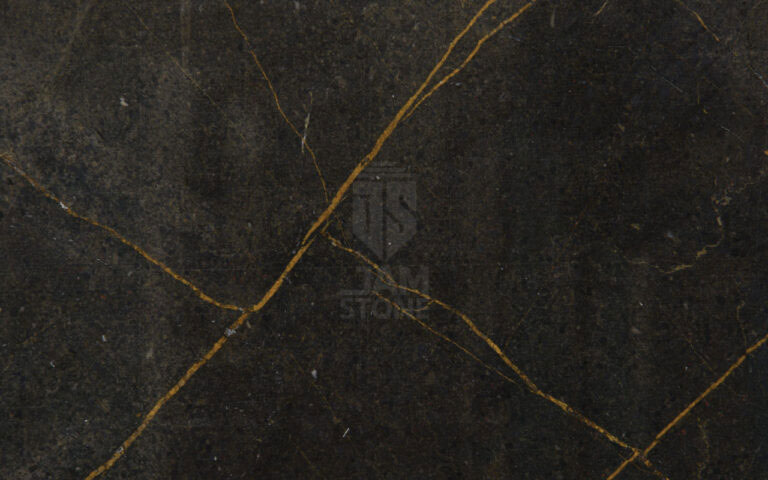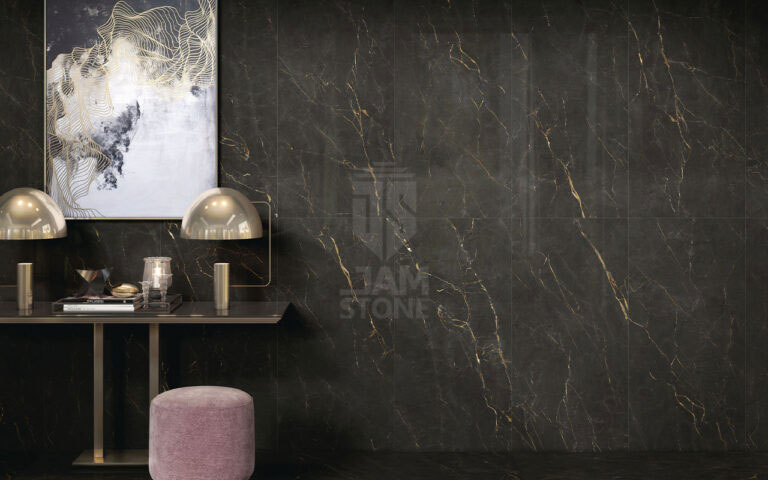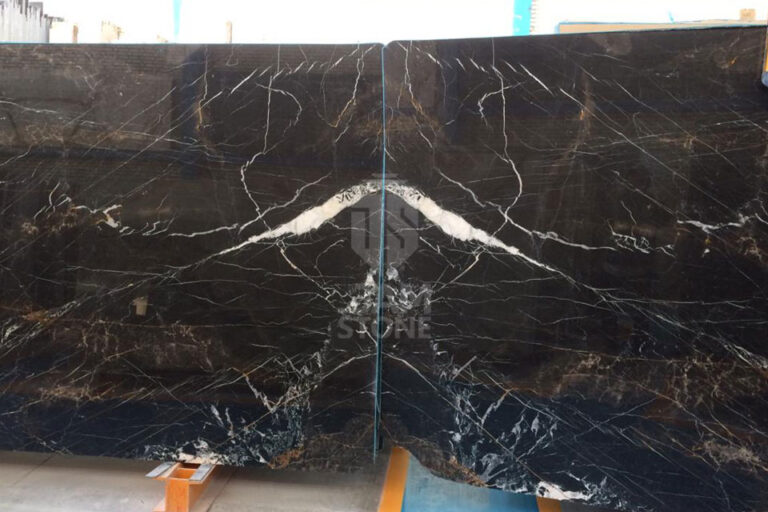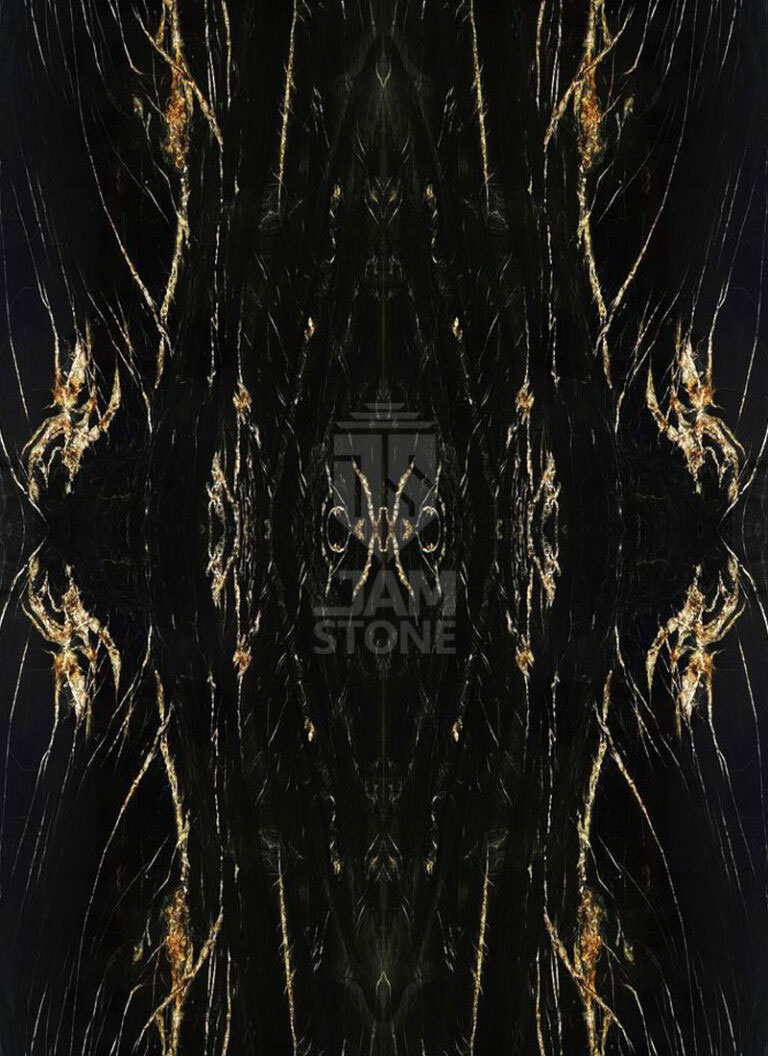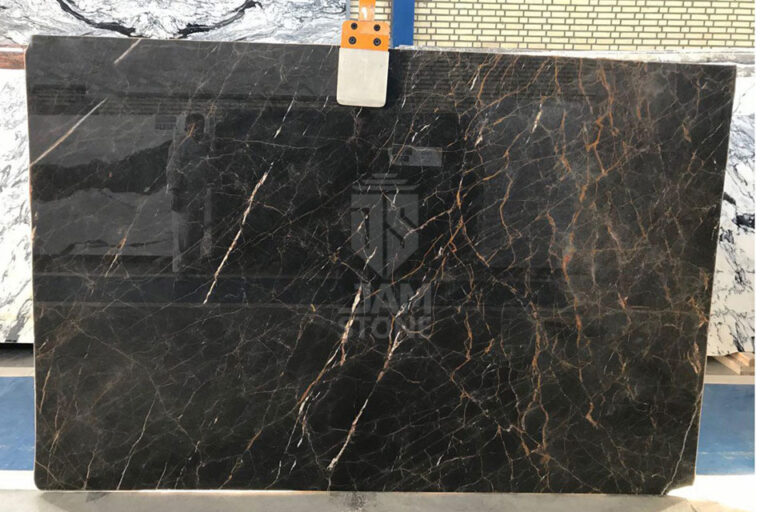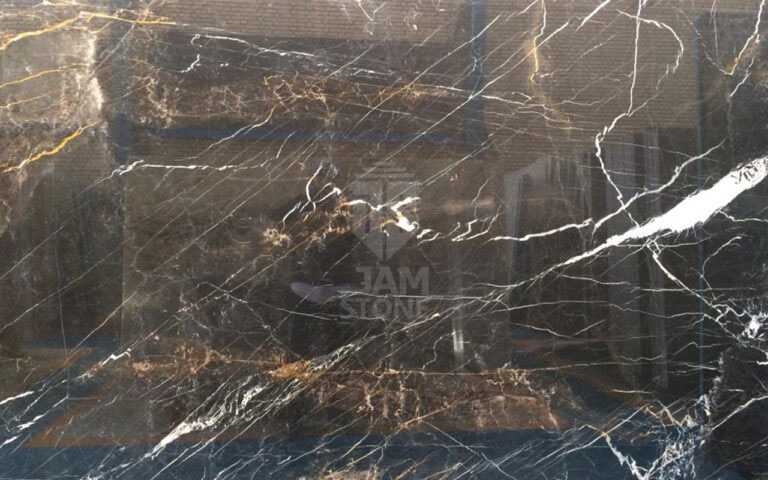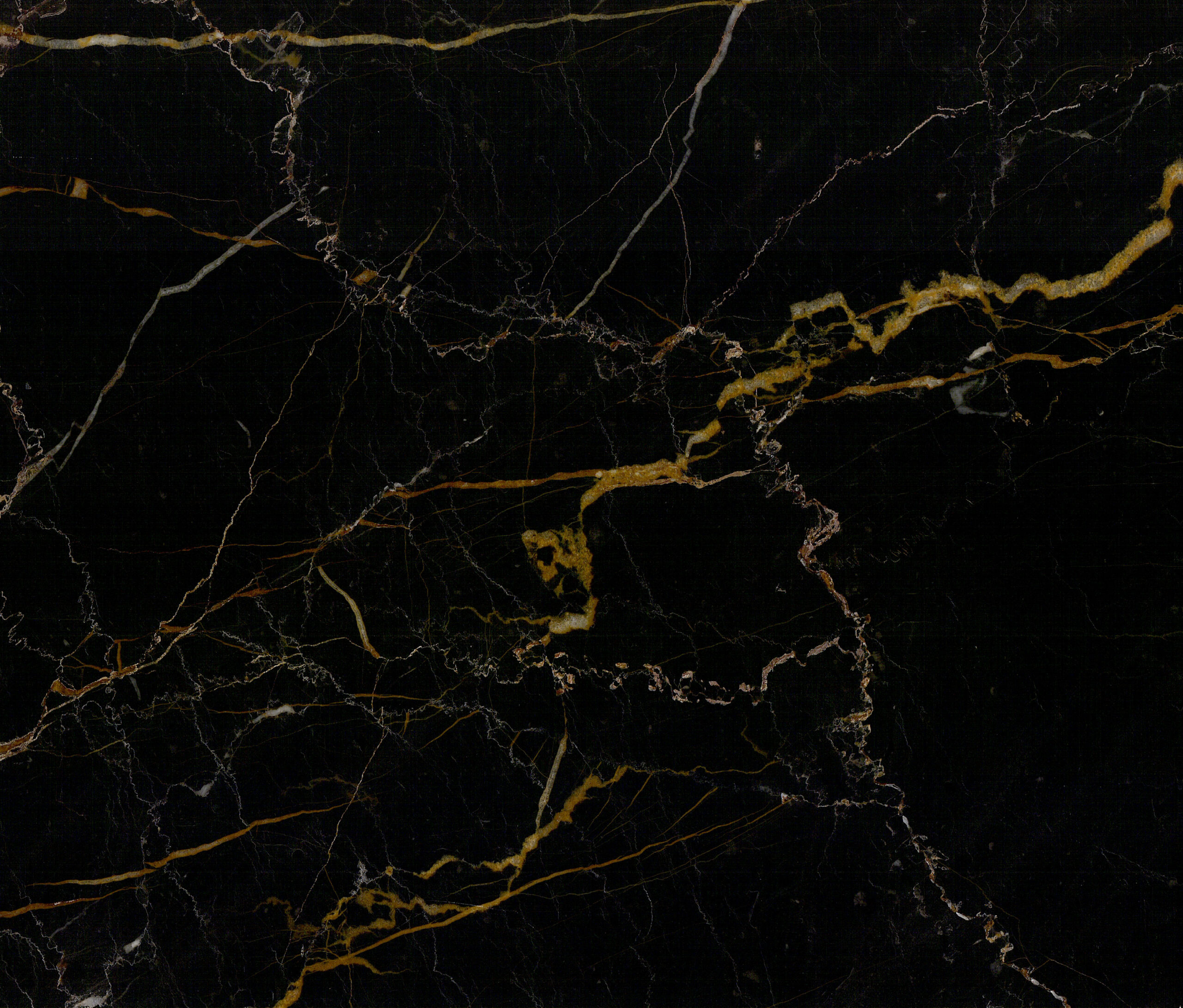

Gold-vein Black Marble is the kind of surface that can change a space with one well-placed wall, island, or elevator panel. Have you ever walked into a lobby where the dark stone feels calm, but fine lines of gold and white keep the view moving? This is the appeal of this Marble: a deep black background crossed by bright, linear veining that looks sharp under a polished finish. It is usually supplied as slabs or tiles, and it can be arranged in matched patterns for feature areas. Let’s explore it in detail.
When reliability is essential, the partner behind the stone matters as much as the design itself. Dark marbles can shift in tone, show different vein intensity, or arrive with minor thickness and edge variations, and these issues are hard to fix after installation. JAM Stone Co. is a trusted and experienced supplier of Gold-vein Black Marble, managing block selection, cutting, finishing, and export packing in a controlled chain. Each batch is checked for visual grade, surface flatness, thickness, and edge integrity, and the company operates quality and environmental management systems aligned with ISO 9001 and ISO 14001. This helps buyers plan deliveries with clearer control.
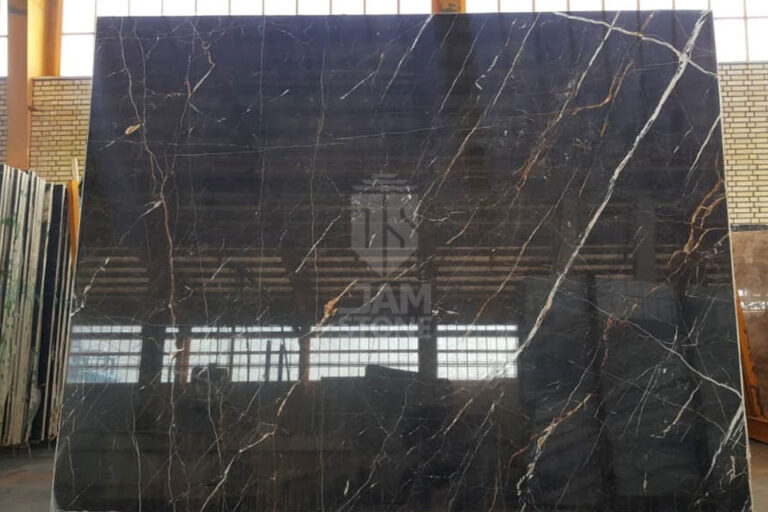
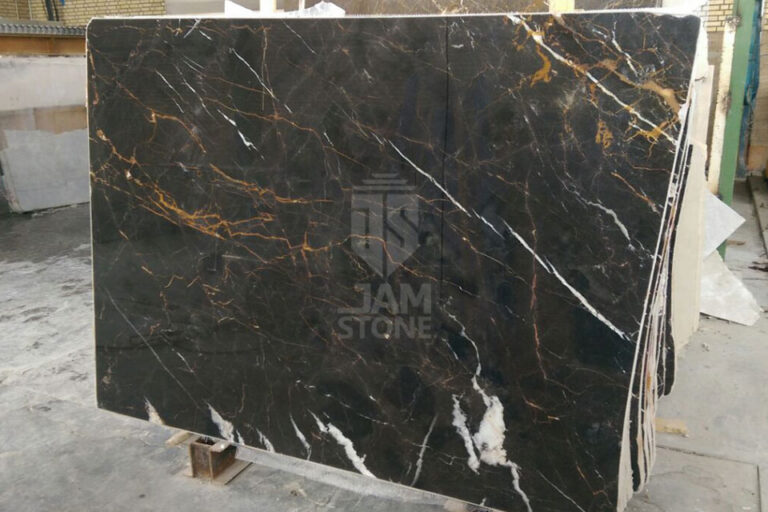
Gold-vein Black Marble is a decorative Iranian marble known for a deep black base crossed by thin white lines and warmer, gold-toned streaks. In some catalogs it may be listed as black-and-gold marble, gold vein black marble, or similar trade labels that describe the same visual effect rather than a different geology. The stone is cut from selected blocks and processed into slabs, tiles, and project-sized pieces. Because the pattern can look sharper when panels are mirrored, it is often chosen for feature walls, counters, and reception zones.
As a marble, Gold-vein Black Marble is mainly composed of carbonate minerals, usually calcite with possible dolomite and small amounts of other minerals that form veins and color accents. Like many dense marbles, it typically has bulk density around 2.6–2.8 g/cm³ and low water absorption, often below about 0.5%, although the exact figures depend on the quarry lot and any resin treatment. Typical marble compressive strength is commonly in the broad range of 70–130 MPa, while flexural (bending) strength is often around 7–15 MPa, so projects should rely on lot-specific lab reports for final specification.
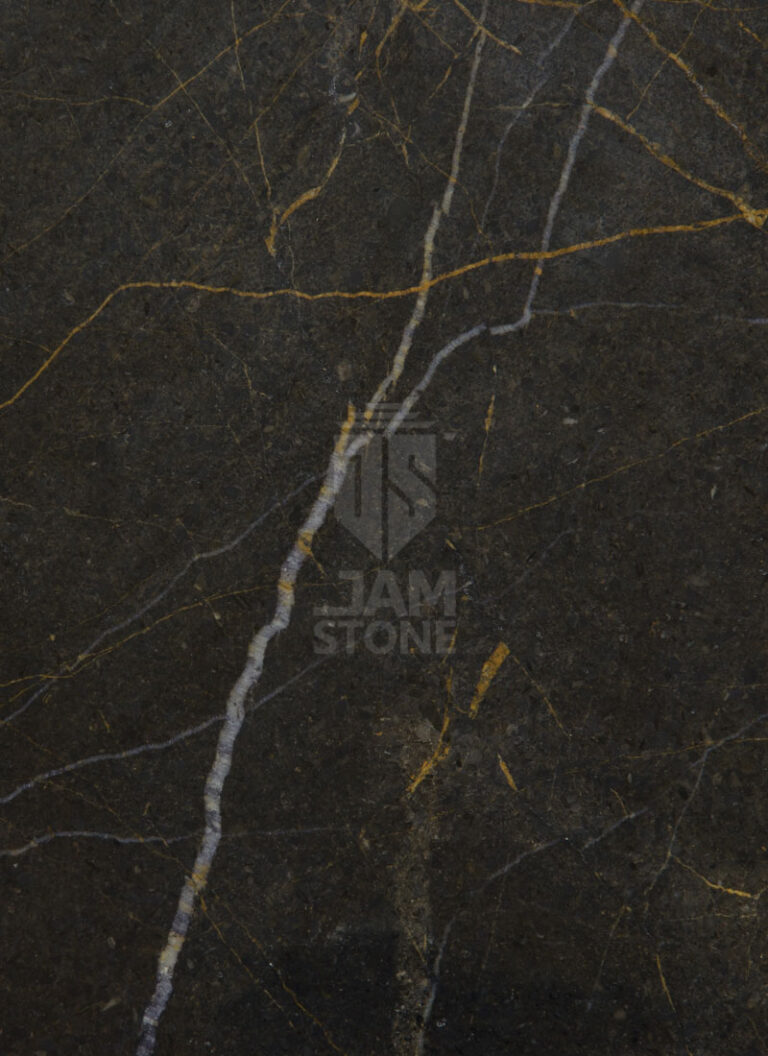
Gold-vein Black Marble is a carbonate stone, dominated by calcite and sometimes a share of dolomite. The dark background usually comes from fine carbon or other dark impurities inside the carbonate body, while the brighter veins are mostly recrystallized calcite. Gold-toned lines may reflect iron-oxide staining or minor silicate minerals along vein pathways.
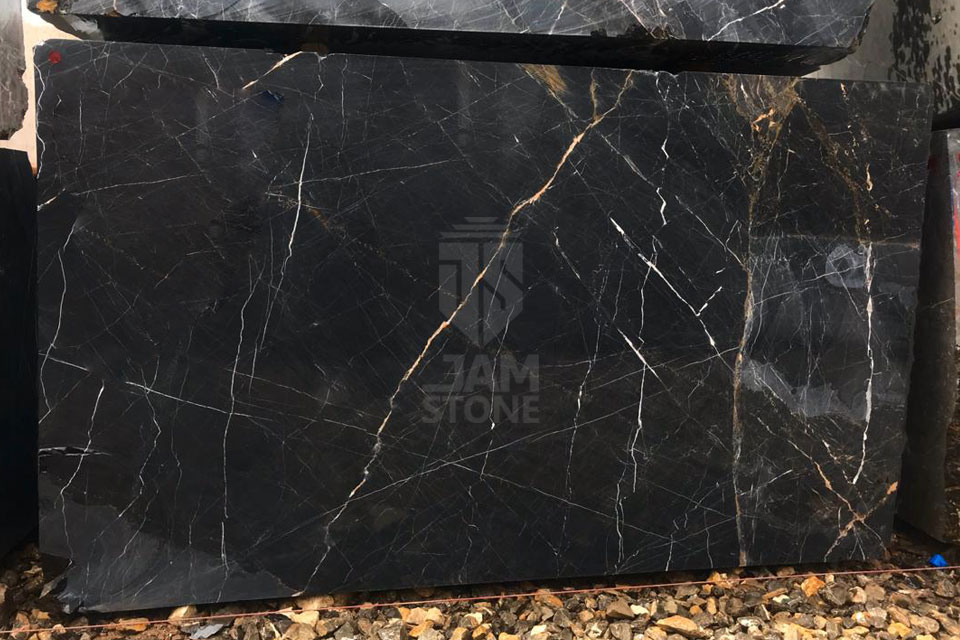
The base hue ranges from deep charcoal to near black, with higher grades showing a more uniform dark field. Veins can appear as fine white hairlines, wider cloudy bands, or mixed networks. Gold accents vary from subtle bronze touches to golden streaks, so buyers approve a sample and define a vein density range for the batch.
Many marbles fall near 2.6 to 2.8 g/cm³ in bulk density, and Gold-vein Black Marble is expected to sit in this family when sound and well-recrystallized. Open porosity is generally low, but micro-fissures and repaired veins can raise pathways for moisture. A realistic, qualified benchmark for water absorption is often below about 0.5% for dense marble lots.
Marble is carbonate-based, so its mineral hardness is near calcite at about Mohs 3, which means sand or quartz grit can scratch polished areas. For structural metrics, typical marble compressive strength is often around 70–130 MPa, while flexural (bending) strength is about 7–15 MPa. Exact values vary by quarry and treatment, so test reports matter.
Black marbles may show stylolites, mineral seams, or clay traces that break the dark field. Hairline fissures along veins are common and can be stabilized with resin, but open cracks, chipped edges, or wide filled gaps reduce grade. A practical rule is to limit defects on the face and require repairs to be flat, sound, and consistent across the batch.
Gold-vein Black Marble is selected mainly for contrast and drama: the black field reads calm from a distance, then the white and gold lines add movement up close. A polished finish gives the strongest color depth and makes veins look sharper, while a honed or brushed surface can soften reflections and hide minor wear. As a carbonate stone, it is sensitive to acids such as lemon, vinegar, or wine, which can etch the surface even when sealed. For that reason, it performs best in interior, climate-controlled environments with clear cleaning habits and spill care.
This grade is not a translucent onyx; it is an opaque marble where visual impact comes from contrast. Polished surfaces can reach a high, mirror-like gloss when the stone is sound and well-finished, making gold and white veins look crisp. Honed or brushed finishes reduce glare and can make the pattern feel softer, especially under warm lighting.
Polished surfaces feel smooth and cool, with a reflective “glide” that suits formal interiors. Honed finishes feel more matte and slightly silky, with better grip and less fingerprint visibility. If the stone shows micro-fissures or pinholes, resin and polishing can level them, but buyers should confirm repairs are flush so edges do not catch during cleaning.
Indoors, color and veining are usually stable, so UV change is not a major issue. In exterior use, marble can face risks from freeze–thaw cycling, pollution, and surface roughening. In day-to-day service, the common risk is acid sensitivity: wine, lemon, or harsh cleaners can leave dull etch marks on polished areas if spills are not removed quickly.
Marble is high in calcium carbonate (CaCO₃), so it reacts with weak acids found in kitchens and bars. Sealing can help slow staining from oils or colored liquids, but it does not stop acid etching, because the reaction happens on the surface itself. For best results, use pH-neutral cleaners and avoid vinegar, acidic descalers, or harsh oxidizers (including bleach).
Gold-vein Black Marble is commonly supplied in the same formats used for most interior marbles, with sizing driven by block yield and the need to keep vein direction consistent. Standard slabs can be produced in large panels, often within about 140–190 cm in width and 220–290 cm in length, while tiles are typically ordered in modules such as 40, 60, or 70 cm widths. Export slabs are often around 2 cm thick, but other thicknesses may be available by request. Mosaics and skirting are realistic in this stone, while exterior pavers are usually less common because marble is more sensitive to weather and acids.
Large slabs are realistic for this grade when blocks are sound and selected carefully. A common range is about 140–190 cm in width and 220–290 cm in length, and export supply is often around 2 cm thick. For feature walls, request sequential slab photos and agree on bookmatch matching, because vein placement shifts from slab to slab.
Tile programs are often built around widths such as 40, 60, and 70 cm, with lengths set to match the project grid. Because dark stone highlights lippage and joint lines, calibrated thickness and squareness are important. Specify the finish, the allowable shade range, and whether veins should run in one direction, so installed areas look controlled rather than patchy.
Cut-to-size pieces are practical for vanities, cladding panels, stair treads, and fireplace surrounds, as long as the supplier confirms thickness tolerance and edge profiles. For dark, veined marble, templates and shop drawings help reduce surprises around vein breaks and seam placement. If the design needs a strong visual flow, ask for layout planning using slab photos before cutting starts.
Mosaics are feasible by cutting slabs or tiles into small pieces and mounting them on mesh sheets. They suit border strips, niches, and accent bands where gold lines add detail at close range. Because each chip can carry a different amount of veining, sheets should be sorted and mixed on site to keep the overall look balanced.
While stone pavers are common in many materials, black marble is not a standard choice for outdoor paving. Carbonate stones can dull and roughen in polluted rainwater, and they may face slip and weathering risks in freeze–thaw climates. If pavers are requested, they should be limited to covered, low-traffic areas and finished for grip, with clear maintenance expectations.
Skirting pieces are easy to produce from tiles or slab strips and help tie floors to walls with a line. For this marble, buyers often choose a straight edge or a chamfer to protect corners. Because the stone is dark, chips can stand out, so packing and site handling should protect edges, especially at doorways and cleaning zones.
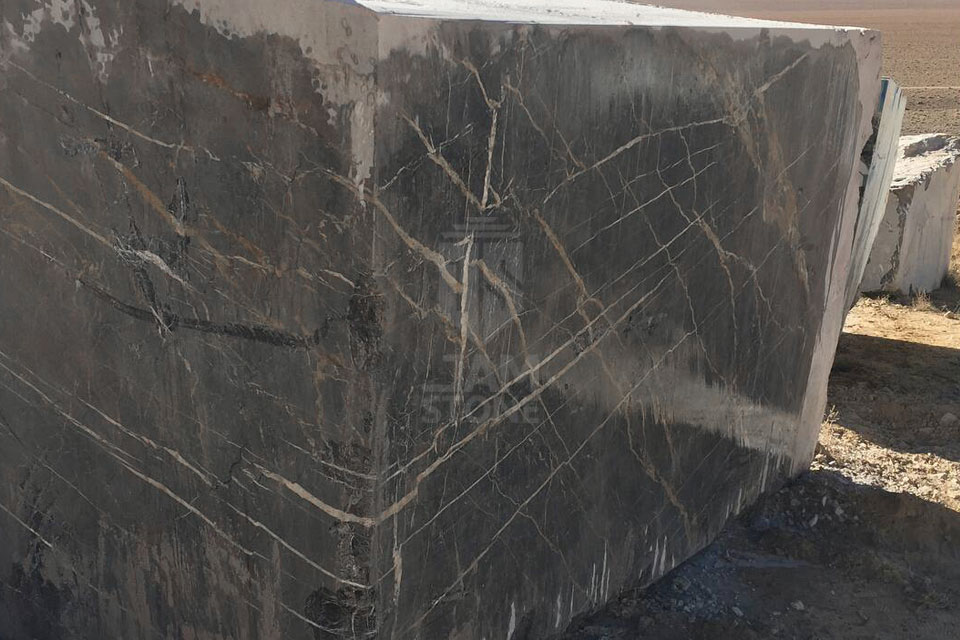
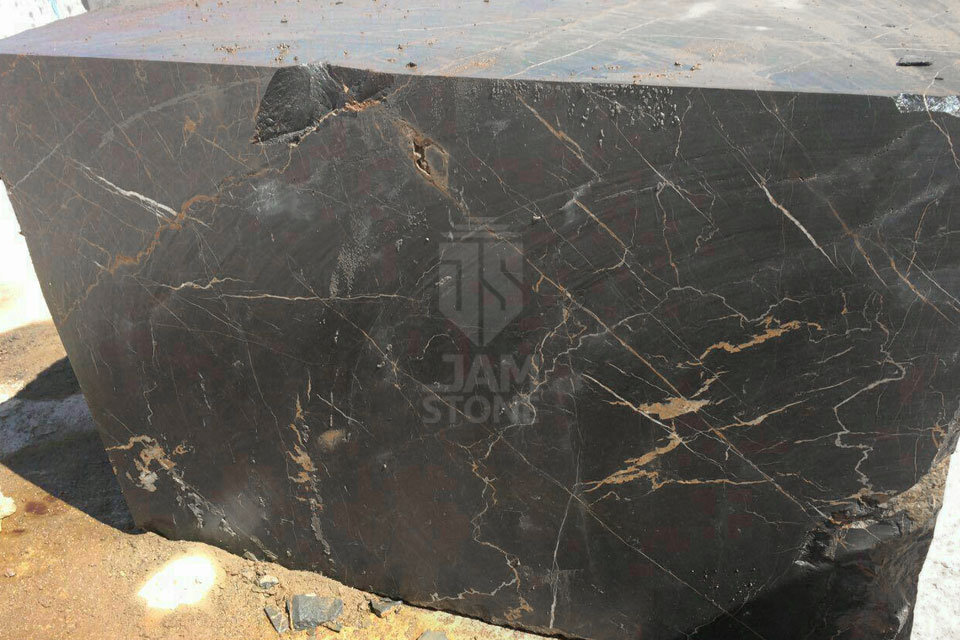
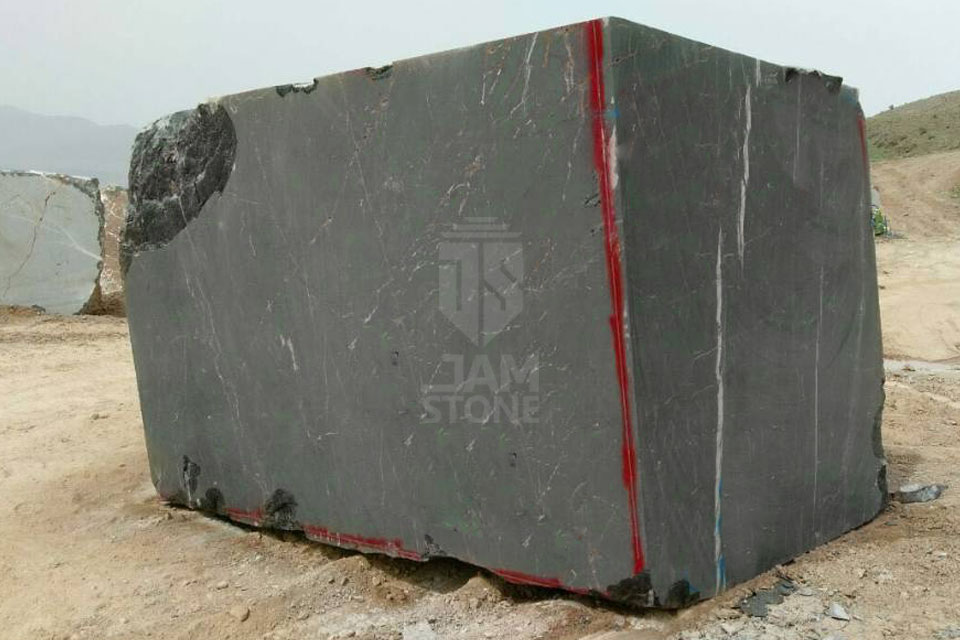
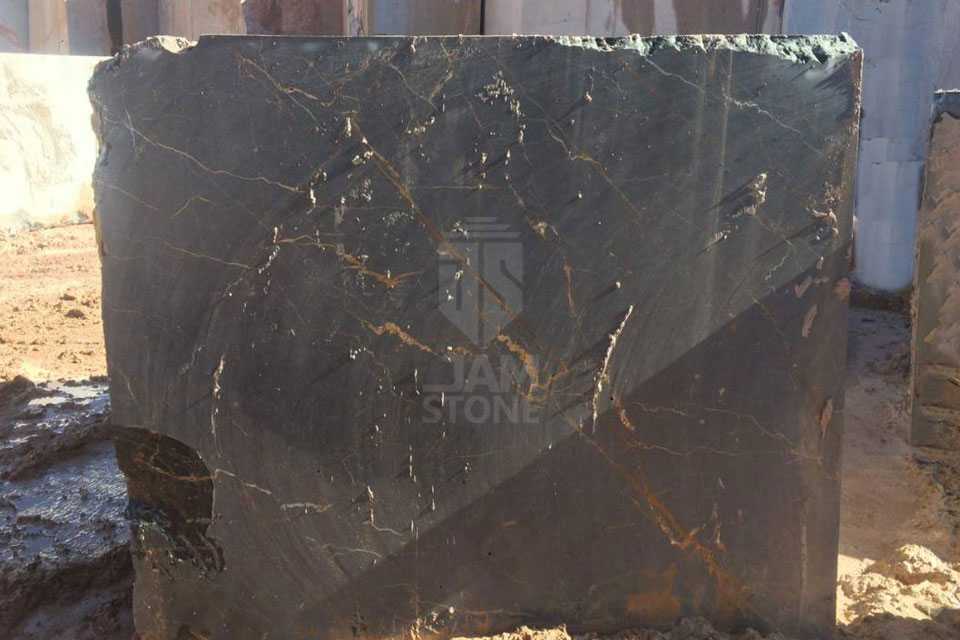
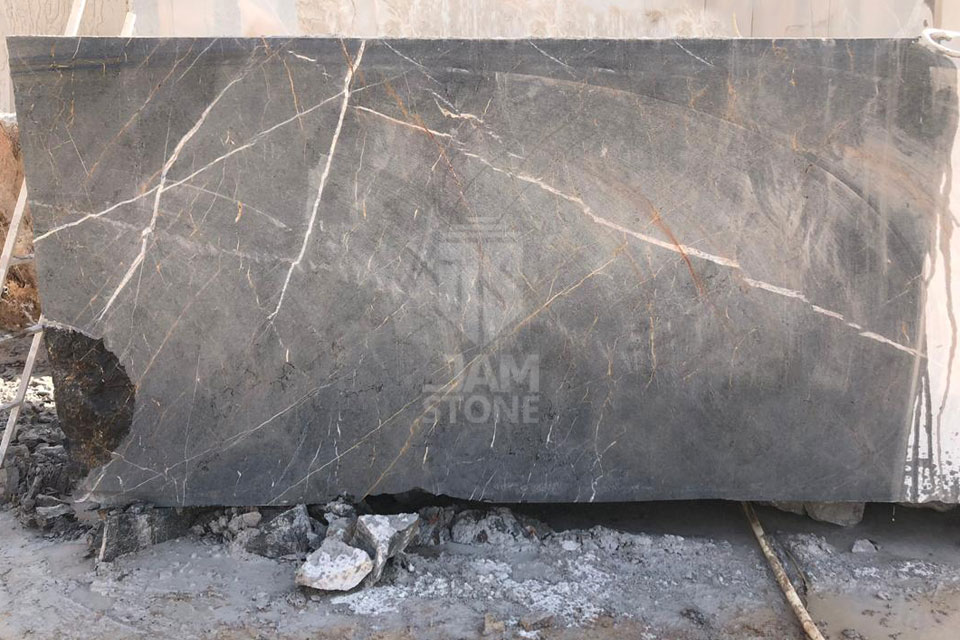
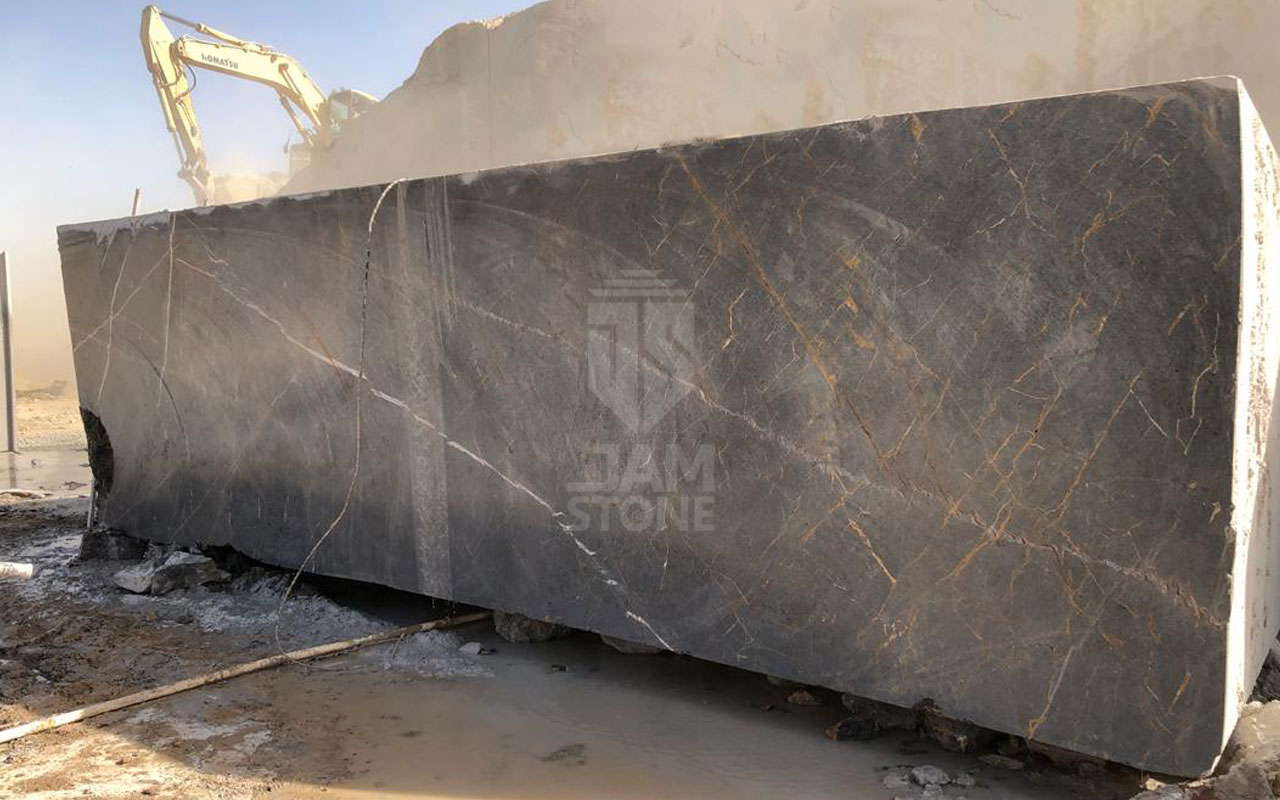
Rough blocks are the starting point for slabs and tiles, and they are chosen for dark background, vein character, and a low defect rate. Block sizes depend on conditions, so suppliers quote dimensions per available lot rather than a catalog size. For consistency, reserve blocks from the same extraction area to keep the batch within the approved grade range.
Gold-vein Black Marble is best used where visual impact matters and service conditions are controlled. It works very well for interior wall cladding, elevator cabins, reception desks, TV backdrops, fireplace surrounds, and vanity walls, especially in polished or honed finishes. It can also be used for interior flooring in low to moderate traffic areas, provided the surface is kept free of grit that can scratch polished marble. For wet rooms, it suits bathroom walls and vanity tops, while shower floors require slip-aware finishing and careful maintenance. Outdoor pavers are usually not ideal due to weathering and acid sensitivity.
The cost of Gold-vein Black Marble is shaped by how consistent the black background is, how attractive the gold veining appears, and how efficiently blocks can be converted into saleable slabs and tiles. Processing choices also influence value, because dark marbles need precise cutting, stable reinforcement, and careful polishing to keep repairs discreet. Final cost depends on the requested finish, thickness, and module sizes, as well as packing method and export route. For accurate budgeting, buyers normally approve a grade sample, then request a batch-based quotation aligned with the required quantity and destination.
Price moves first with grade, because higher grades require a darker, more uniform black base and a controlled level of gold and white veining. Cleaner faces with fewer open fissures and less patching are harder to select and therefore cost more. If the project demands matched slabs for feature walls, selection pressure increases and pushes the grade level upward.
Larger, sound blocks usually produce bigger slabs and a higher usable recovery, which improves yield and lowers waste. Smaller blocks or blocks with more defect zones reduce the percentage of premium slabs and force more cutting into smaller sizes. Since this stone is chosen for appearance, any internal seams that break the visual field can reduce yield and raise cost.
Dark marble rewards careful processing and penalizes shortcuts. Accurate sawing and calibration keep thickness stable, while good reinforcement and resin work help stabilize hairline fissures without leaving visible shadows. Polishing quality affects how deep the black looks and how crisp the veins appear. Better processing typically means higher reject control, better packing results, and a higher unit cost.
Polished finishes often require more stages to reach a clear, mirror surface, especially on dark stones where swirl marks are easy to see. Honed or brushed finishes may reduce reflection and hide minor wear, but they still need controlled tooling to keep the face even and free of drag lines. Special textures or custom edge work add time and increase the overall cost.
Thicker slabs and larger formats increase material use and reduce the number of pieces that can be produced from each block. Large cut-to-size panels also need stricter flatness control and stronger packing to prevent breakage. Smaller tiles may increase cutting labor and sorting time, especially when vein direction must be consistent. In practice, size and thickness choices directly affect both yield and processing effort.
Logistics can be a major driver because slabs are heavy and require robust crating, careful loading, and compliant wood packaging where required. Shipping route, destination port, and inland delivery conditions all affect the final quotation. Availability also matters: if the quarry lot has limited high-grade blocks at the time of order, lead times and selection costs can rise, especially for large, consistent batches.
The supply chain for Gold-vein Black Marble starts with block selection based on the approved look: depth of the black background, vein character, and the amount and tone of gold streaking. After extraction, blocks are inspected for structural soundness and face quality, then categorized into grades so the factory can plan cutting with clear targets. Blocks are sawn into slabs, and the material may be reinforced where needed to stabilize hairline fissures typical of veined marbles. Calibration and initial surface checks help ensure the stone meets thickness and flatness expectations.
After cutting, slabs or tiles move through finishing, where the requested surface is produced and the visual contrast is refined. Polished finishes require consistent tooling to avoid haze or swirl marks on dark stone, while honed finishes focus on uniform texture. Each batch is then checked for shade range, vein balance, surface flatness, and edge integrity, with defective pieces separated before packing. Export packing usually uses protective interleaving, edge guards, and strong wooden crates, labeled by batch and specification. Clear documentation and slab photos support matching plans and reduce surprises at installation.
Gold-vein Black Marble installs best on a stable, clean substrate using adhesives suitable for natural stone. For most interior wall and floor work, a high-quality, polymer-modified thin-set is common, and white adhesive is often preferred to reduce the risk of color shadowing along repaired areas or light veins. Grout joints should be planned for both aesthetics and tolerance; many installers avoid going tighter than about 1/16 inch (about 1.5 mm), and 1/8 inch (about 3 mm) is a safer choice when tile faces show small size variation. Movement joints and proper coverage help prevent hollow spots and later cracking.
For protection, sealing can help reduce staining from oils and colored spills, but it does not prevent etching from acids because marble is carbonate-based. A practical approach is to apply a penetrating sealer after installation and curing, then re-test periodically with a small water drop test rather than relying on a fixed calendar. Common pitfalls include using acidic cleaners, letting grit build up on floors, and expecting polish to stay perfect in heavy-use areas. Use pH-neutral cleaners, wipe spills quickly, use mats at entries, and consider a honed finish for higher-contact zones.
JAM Stone Co. manages Gold-vein Black Marble through integrated operations that connect sourcing, processing, and export readiness in one controlled chain. The company relies on long-term relationships with reputable mine owners across key stone-producing regions of Iran, supporting stable access to suitable black marble blocks for consistent production. In manufacturing, modern lines such as waterjet cutting, calibrated sizing, resin treatment where required, and precision polishing are used to deliver slabs, tiles, and project-cut pieces. In-house quality labs and routine inspections focus on grading rules, thickness control, and finish uniformity, helping maintain batch consistency for commercial supply.
For international buyers, JAM Stone Co. supports procurement with a process built around repeatable quality and predictable logistics. Each order passes multi-stage inspections, including visual grading to confirm the approved look, checks for surface flatness and thickness calibration, and edge integrity review before packing. The company operates management systems aligned with ISO 9001 and ISO 14001 and aligns production documentation to common international expectations for export stone. With experience serving markets such as the GCC, Europe, and East Asia, it can handle both smaller and large-volume orders, including client-specific cutting requests, while using secure crating and coordinated shipping options to support timely delivery.
Gold-vein Black Marble is sourced from Iran, and JAM Stone Co. maintains access to suitable quarry output so raw material supply remains steady for ongoing projects. The commercial value of this grade comes from reserves that can deliver a strong black field with recurring gold and white veining, allowing batches to stay within an agreed visual range when blocks are selected carefully. By controlling selection at the block stage, the company reduces later variation in tone and vein density across slabs and tiles. Where relevant to buyer requirements, quarry planning and extraction can be aligned to reduce waste and support more efficient resource use.
JAM Stone Co. packs Gold-vein Black Marble with export conditions in mind, aiming to reduce breakage and preserve face quality on arrival. Slabs and tiles are separated with foam sheets or interleaving, protected at corners and edges, and secured in strong wooden crates with moisture-resistant wrapping when needed. Depending on destination and order size, the company can use bulk palletizing or individual crating, then optimize container loading to improve stability and shipping efficiency. Crates are typically labeled with product code, batch identification, finish, and thickness so installers can manage sequencing and matching on site.
has a black background and beautiful white and gold lines can be seen on its surface. Jam Stone’s quarry is located in the center of Iran to extract this stone.
Jamstone boasts active markets across various countries, including China and the United Arab Emirates. In Europe, its products are exported to esteemed destinations such as Italy, Germany, the United Kingdom, France, Belgium, and Poland. Additionally, Jamstone’s reach extends to international markets spanning Canada, South America, Australia, and Japan.