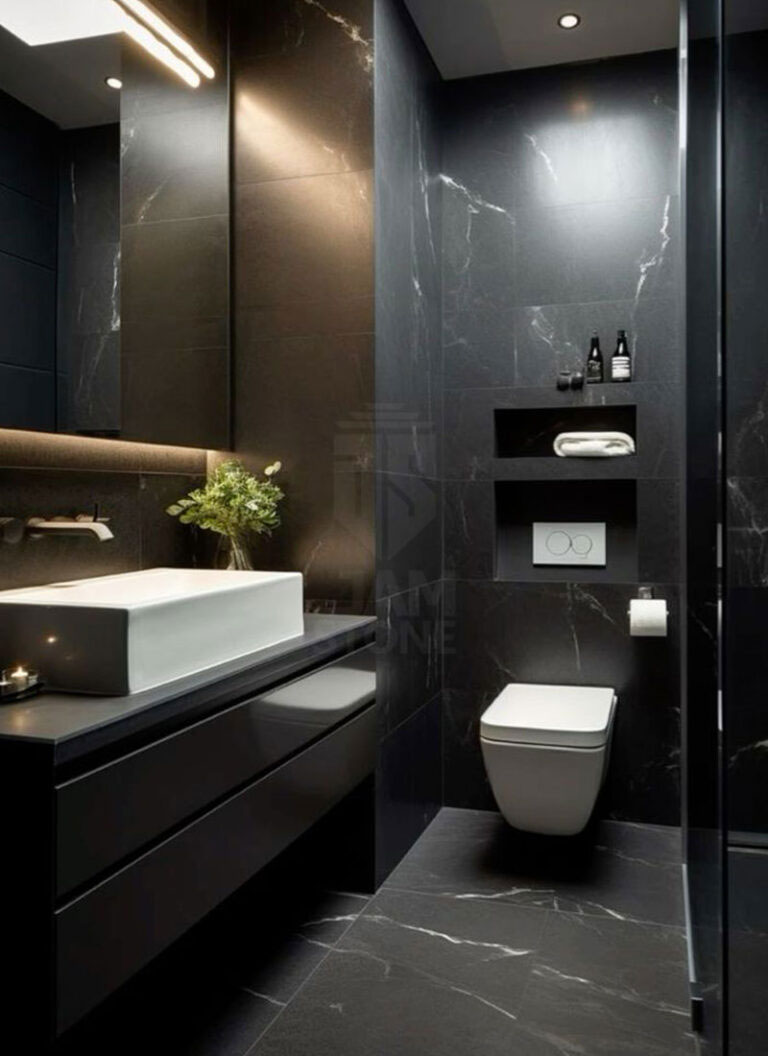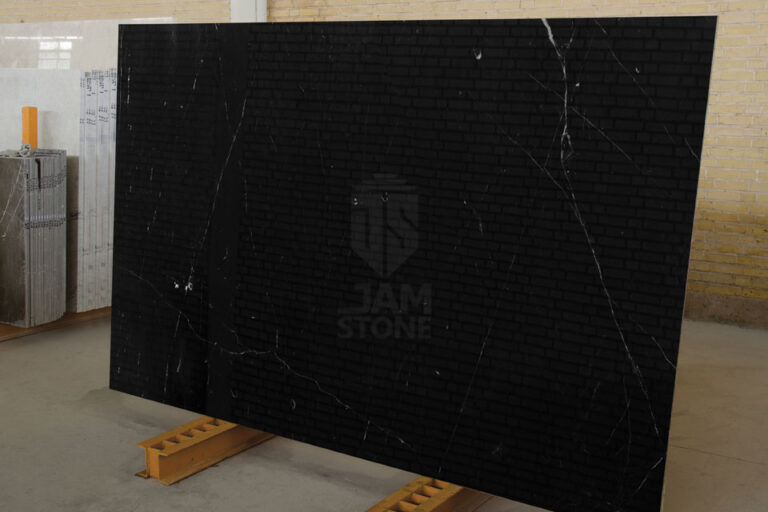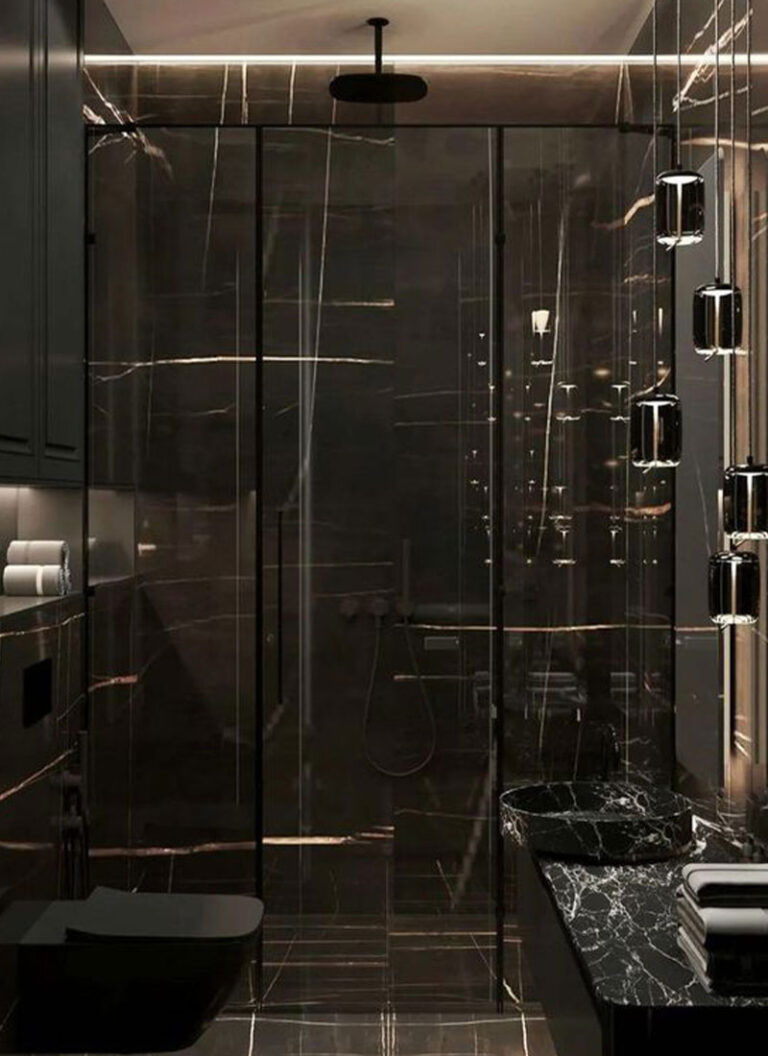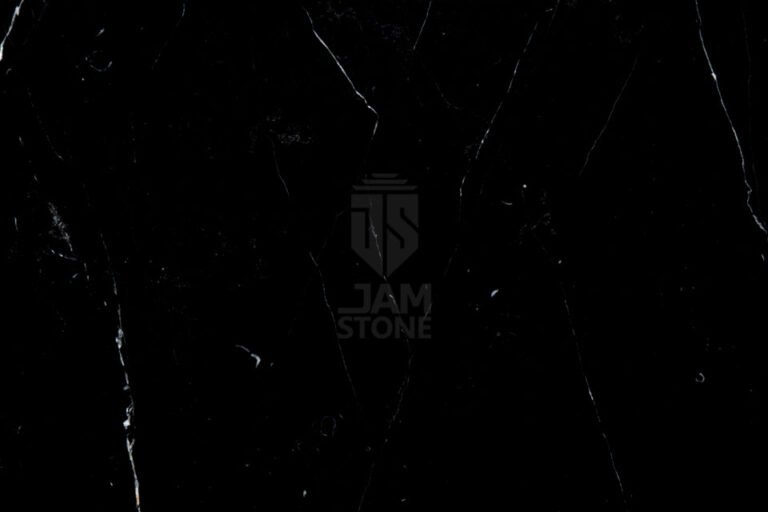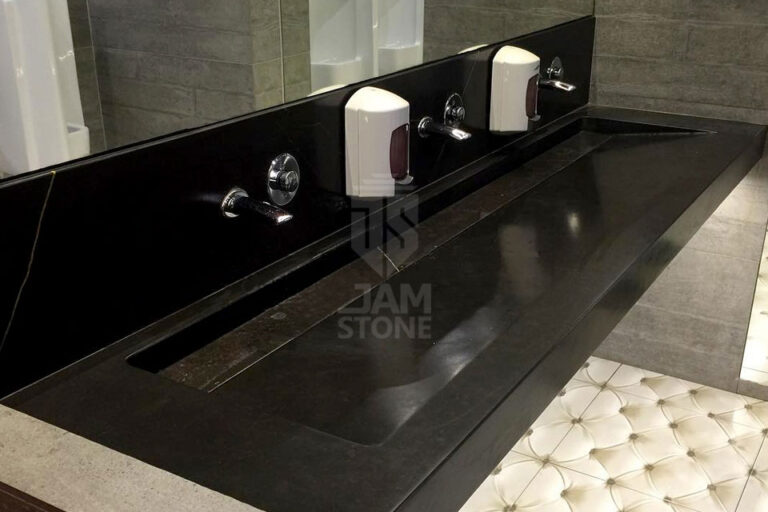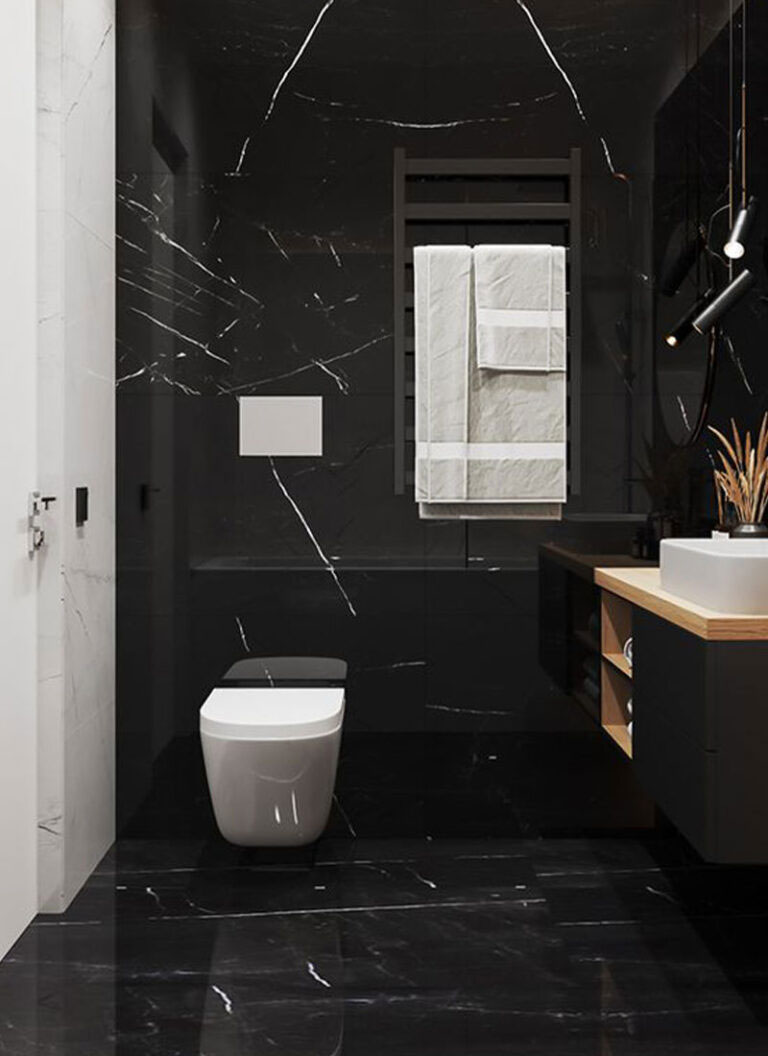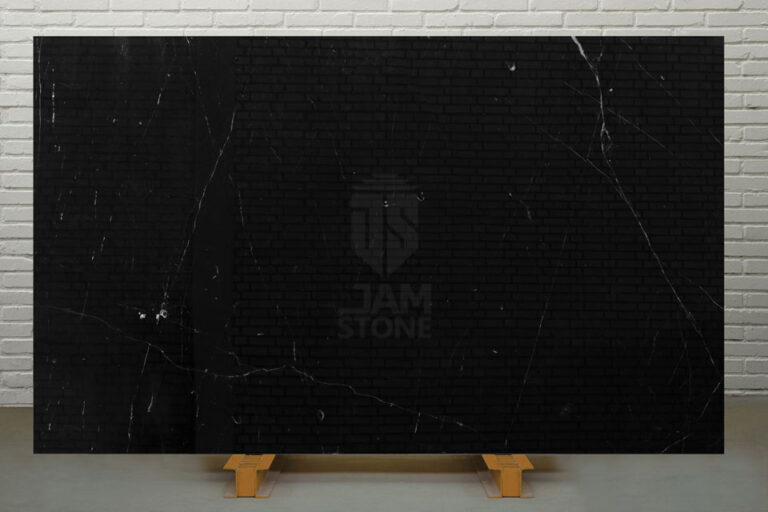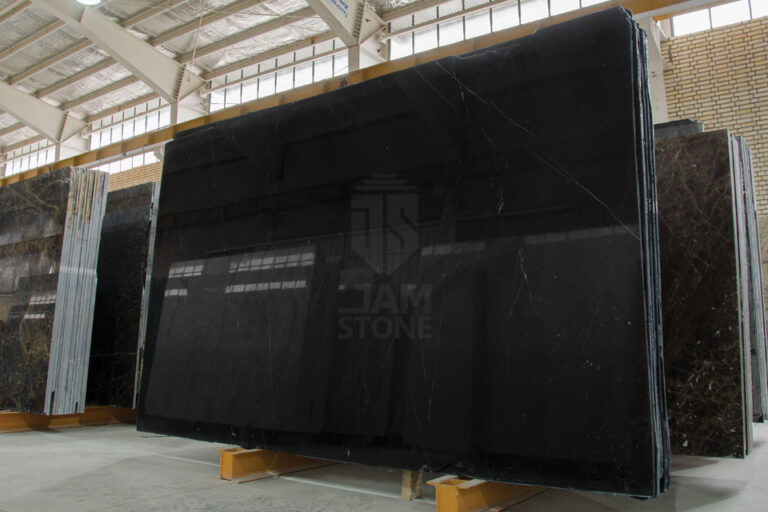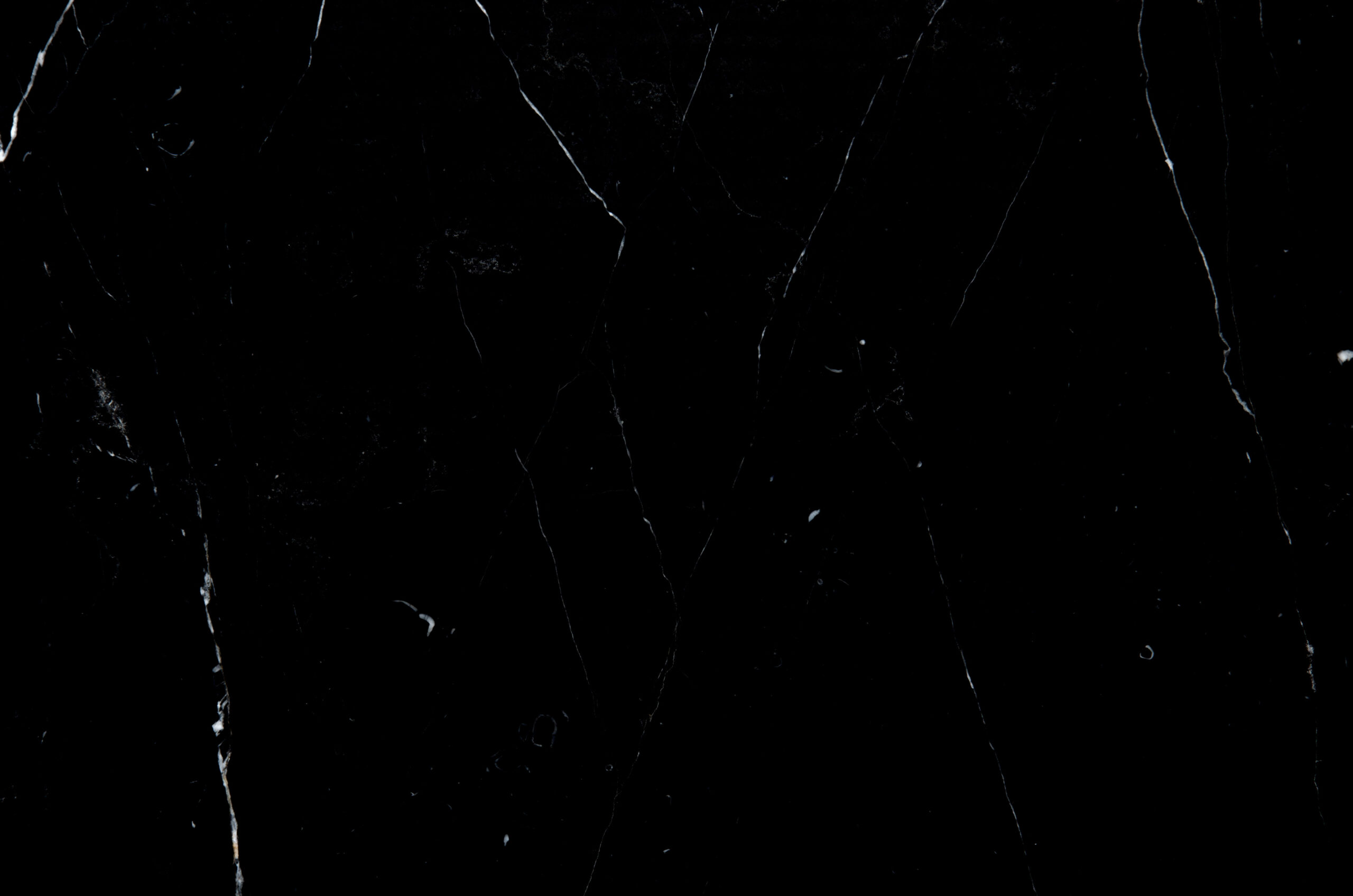

Persian Absolute Black Marble is a celebrated material that provides luxury interiors their dramatic and timeless appeal. This stone, quarried in Iran, is defined by its deep black background, which is contrasted by striking white veins. It is a powerful design element for creating sophisticated spaces. Its unique beauty has made it a popular choice for high-end projects. Let’s explore why this elegant stone has become a favorite among designers and architects worldwide.
When quality matters, choosing the right supplier can make all the difference. For a natural stone with such distinct characteristics, consistency in grade and finish is extremely important. JAM Stone Co. is a trusted and experienced supplier of Persian Absolute Black Marble. We understand the specific qualities of this material and have built strong processes to ensure every order meets high standards. Our clients rely on us to source and deliver the best grades of this stone, managing the complexities of international procurement so they can focus on their design.
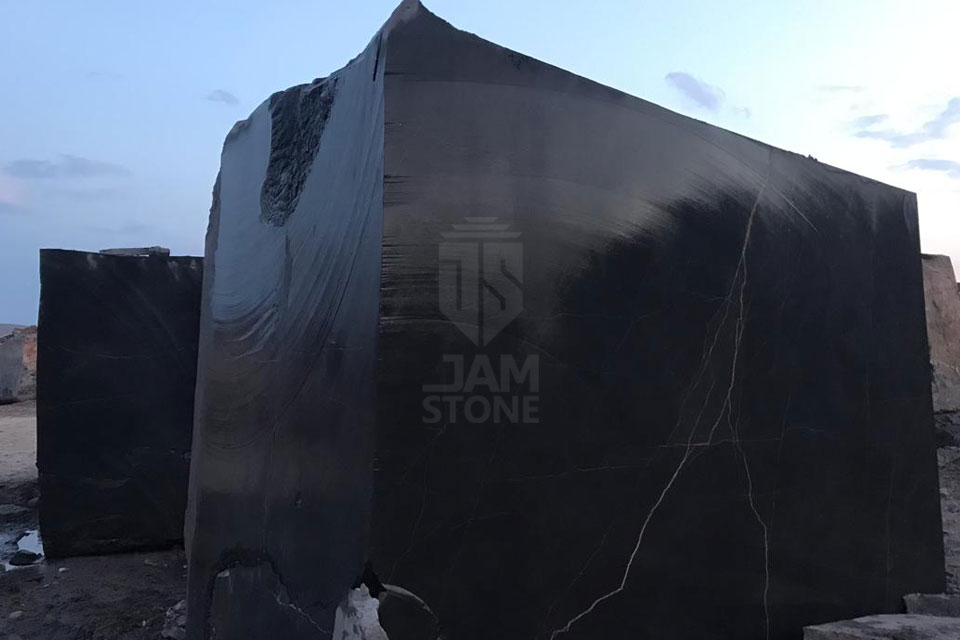
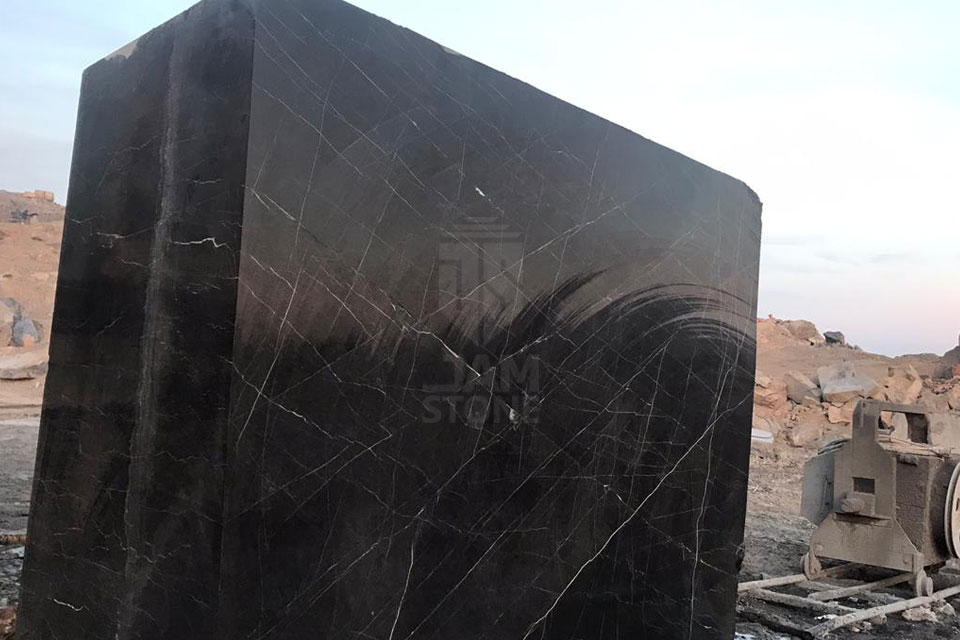
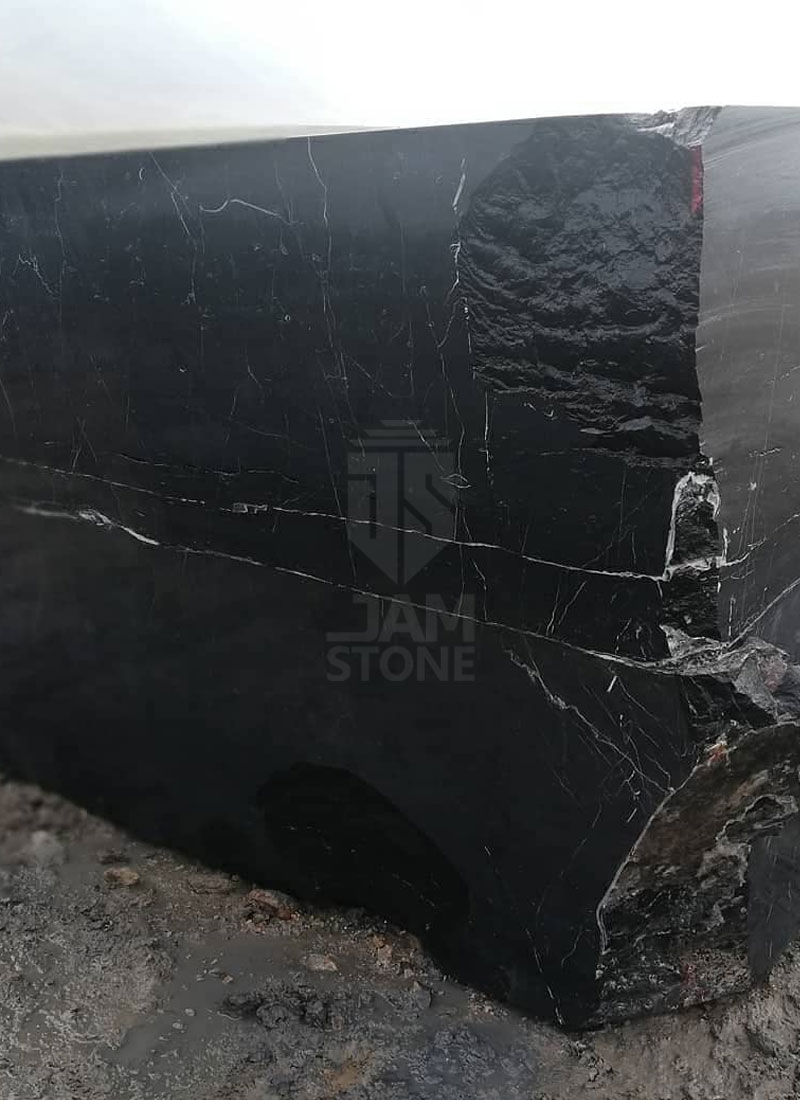
Persian Absolute Black Marble is a high-quality natural stone quarried in Iran. It is also widely known in the market by its geological and regional names, such as Persian Nero Marquina or Najafabad Black Marble. This stone is a type of marble, which is a rock formed from limestone under heat and pressure. Its most famous characteristic is its deep, rich black base color. This dark background is interrupted by irregular, bright white veins of calcite. This sharp contrast creates a dramatic and luxurious visual statement, making each slab unique.
This stone is a dense, calcite-based material. Its technical properties, such as porosity and absorption, can vary slightly depending on the specific quarry and grade. As a marble, it is a relatively soft stone, ranking around ~3 on the Mohs scale (calcite). This means it is much softer than granite and can be scratched. Its compressive strength is typically suitable for interior tiles, panels, and stair parts; verify lot-specific reports for final design values, but it is not intended for heavy structural use. Proper handling during installation is important to maintain its integrity.
This marble is primarily composed of CaCO₃ (calcite). The deep black color comes from carbonaceous/bituminous impurities within the original limestone. The white veins that give the stone its character are areas where calcite has re-crystallized, creating a purer, contrasting mineral line.
The base color is a consistent, deep black. The veins are a bright, clean white. These veins are highly irregular and vary greatly from one block to another. They can appear as fine, thin hairlines, scattered short streaks, or bold, dramatic diagonal lines that cross the entire slab.
This stone has a bulk density of approximately 2,700 kg/m³ (2.70 g/cm³). Its water absorption is generally low, commonly ≤0.1–0.4% by mass for dense calcitic marbles. The open porosity is typically ~0.2–0.8%. Factory resin and a penetrating sealer reduce wetting and soiling, but sealing does not prevent acid etching.
On the Mohs scale of mineral hardness, this marble scores about 3 (soft, scratchable by silica grit). Compressive strength for black calcitic marbles often falls in ~80 to 120 MPa; published values for some Najafabad selections report ~60 to 90 MPa. Flexural strength is commonly ~8–18 MPa. These levels are more than sufficient for interior flooring and wall applications, provided substrates are flat and loads are appropriate.
The white veins are the stone’s defining feature, not defects. The quality grade is usually determined by the uniformity and depth of the black background. Like most natural stones, it may have small natural fissures or pits, which are typically filled with a matching resin during the polishing process to create a smooth surface.
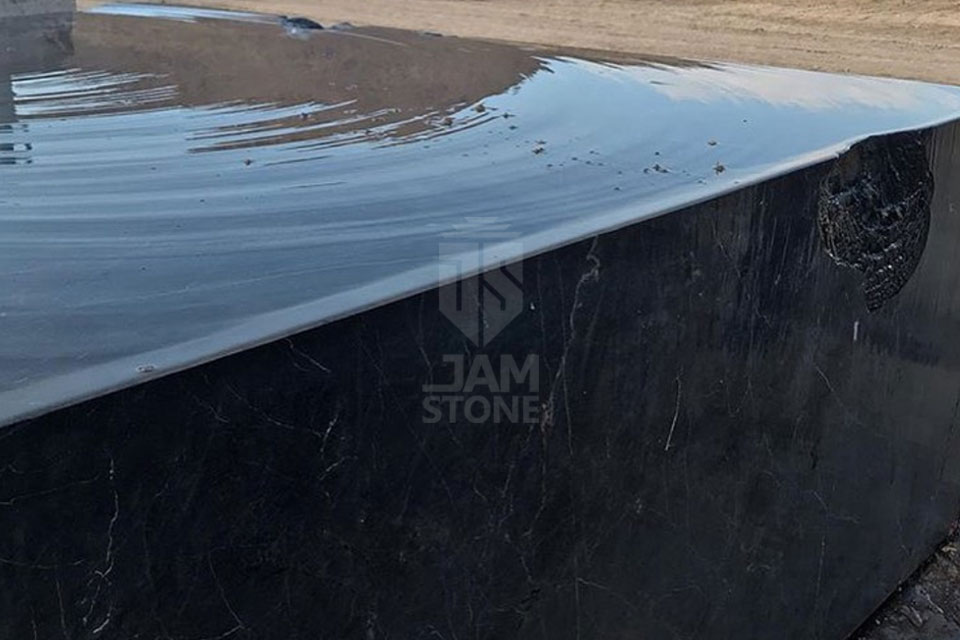
The main appeal of this marble is its high-contrast aesthetic. When polished, it achieves a mirror-like gloss that reflects light, making the black background appear even deeper. However, it is a chemically sensitive stone. Because it is made of calcite, it is vulnerable to damage from common household acids like lemon juice, vinegar, or wine. These substances will cause “etching,” which is a chemical burn that dulls the polished surface. This property defines how the stone must be cared for and where it is best used.
The most common finish is polished, which results in a high-gloss, reflective surface that highlights the stone’s drama. It is also available in a honed finish, which is a smooth, matte surface that does not reflect light. A leathered finish provides a textured, tactile surface that is more rustic.
A polished finish feels very smooth, cool, and glossy to the touch. A honed finish is also smooth and flat but feels slightly softer and warmer without the glass-like feel. A leathered surface is more tactile, with a subtle texture that follows the stone’s natural composition.
This stone is not recommended for outdoor applications. The black color can fade over time when exposed to direct, strong sunlight (UV radiation). Furthermore, its low but non-zero porosity makes it susceptible to damage in climates with freeze-thaw cycles, as trapped water can expand and crack the stone.
This stone has a very high calcium carbonate (CaCO₃) content. This means it will react quickly with any weak acid, such as those found in food and drinks. This reaction, called etching, removes the polish and leaves a dull, light-colored mark. A penetrating sealer is recommended to reduce staining and ease cleaning, but it will not stop etching from acids.
Because this marble is extracted from the earth in large, solid blocks, it can be processed into a wide variety of sizes and formats. This flexibility makes it a versatile choice for many different design projects. Factories can cut the blocks into large slabs that are ideal for making a statement, or into standard tiles for floors and walls. This adaptability allows for use in everything from large-scale commercial lobbies to detailed residential bathrooms, with formats suitable for countertops, flooring, and custom furniture.
Slabs are the most common format for this stone. They are typically available in 2 cm and 3 cm thicknesses. These large sheets are ideal for kitchen countertops, large feature walls, and custom tabletops, as they minimize the number of joints needed and showcase the stone’s veining.
This marble is widely available in standard tile formats for flooring and wall cladding. Common sizes include 30×60 cm, 60×60 cm, and large-format tiles like 60×120 cm. These tiles make the stone accessible for projects of all sizes, from bathrooms to main living areas.
Suppliers can easily cut the marble into custom dimensions for specific projects. This includes pieces for bathroom vanities, stair treads and risers, fireplace surrounds, and unique wall panel dimensions. This service allows for precise integration into a building’s architecture.
The stone is often cut into small pieces and assembled into mosaic patterns. These mosaics can be used for decorative borders, shower floors, or backsplash features. They are often combined with other marbles, such as white or grey stone, to create intricate and artistic designs.
While not suitable for outdoor paving, this marble is sometimes produced in “paver” modular interior patterns, such as the French or Versailles pattern. This format uses a set of four or more different-sized tiles to create a repeating, interlocking design for interior floors, offering a more classic look.
Thin strips of the marble are produced to be used as skirting or baseboards. These pieces provide a clean and continuous transition between the marble floor and the wall. They are typically cut from larger tiles or as part of a custom cut-to-size order.
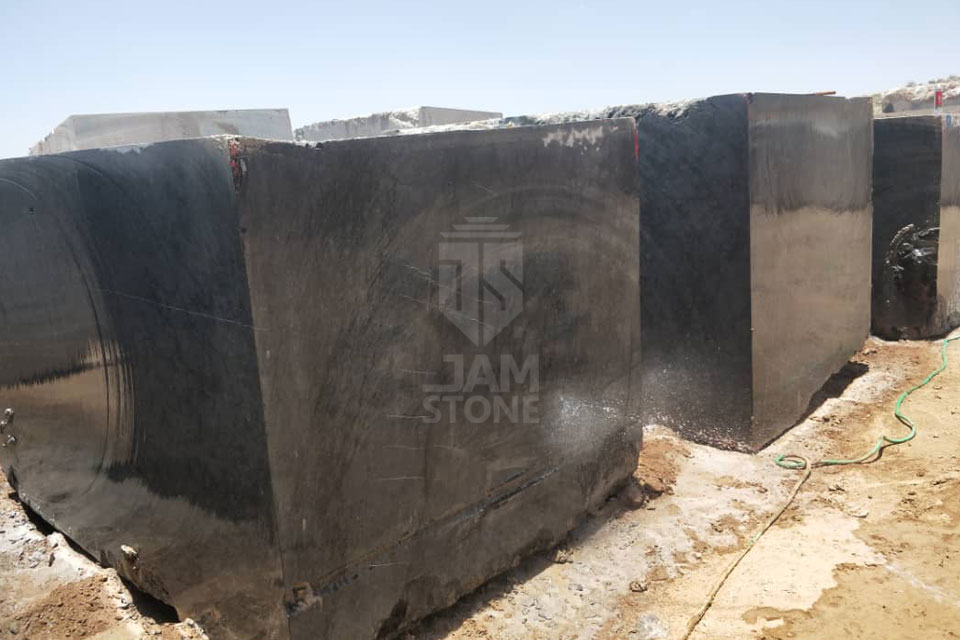
For large-scale projects or international processors, the raw, unfinished blocks can be exported directly from the quarry. This allows buyers to manage their own cutting, processing, and finishing in their own facilities, according to their specific production and market needs.
This marble is almost exclusively recommended for interior applications. Its beauty is best preserved away from the harsh conditions of an outdoor environment. It is a premium choice for creating high-impact, luxurious spaces. Common uses include residential flooring, especially in lobbies, main halls, and bathrooms. It is very popular for wall cladding, such as for feature walls, shower surrounds, and in elevator cabins. It is also used for countertops and vanities, but this requires significant care from the owner. It must be sealed properly, and all acidic spills must be cleaned immediately to prevent etching. It is generally not suitable for exterior use due to color fade and weathering risks.
It is not possible to state a single price for Persian Absolute Black Marble. The cost of this natural stone varies significantly based on many different factors. The final price for a project depends on the quality of the specific stone selected, the size and thickness of the slabs or tiles, and the type of surface finish. Furthermore, as a stone quarried in Iran, the cost for an international buyer will also be heavily influenced by logistics, transportation fees, and import taxes.
The stone is sorted into different grades. Higher grades typically have a more uniform and deeper black background with fewer natural flaws. The specific pattern and density of the white veins also influence the value, as some buyers prefer minimal veining while others want a more dramatic pattern.
Large, intact blocks are rarer and more valuable. These blocks can be cut into large, seamless slabs, which are highly desired for countertops and feature walls and command a higher price. The efficiency of cutting the block (the “yield”) also affects the final square meter cost.
The quality of the finishing process is a major cost factor. This includes the precision of the cut (calibration), the quality of the resin used to fill natural micro-fissures, and the level of gloss achieved during polishing. A high-quality polish requires more steps and more expensive equipment.
A high-gloss polished finish is standard but labor-intensive. Other specialty finishes, such as honed (matte), leathered (textured), or brushed, require different processing steps. These alternative finishes can change the material’s final cost depending on the complexity of the process.
The thickness of the material directly impacts the price. A 3 cm thick slab uses 50% more raw material than a 2 cm slab and is therefore more expensive. Similarly, large-format tiles (e.g., 60×120 cm) often cost more per square meter than standard sizes (e.g., 30×60 cm).
As a heavy product imported from Iran, logistics are a major part of the final cost. Ocean freight, container packing, inland transportation, and any applicable import duties or taxes must all be added to the material’s price. Availability and global demand can also cause prices to change.
The journey of this stone begins at quarries in the Najafabad region of Iran, where massive blocks are extracted from the earth. These large blocks are then transported to processing factories. At the factory, they are cut into slabs of specific thicknesses, most commonly 2 cm or 3 cm, using large gang saws. After cutting, the slabs are inspected and graded. They then go through a finishing line, where the surface is ground, polished, and often vacuum-resin treated to stabilize micro-fissures and pinholes, ensuring a perfectly smooth face. After a final quality check, the slabs or tiles are carefully packed into bundles or wooden crates, ready for international shipment.
Proper installation and maintenance are essential for protecting this marble. Because some black marbles can be sensitive to moisture, use a high-quality white C2TE S1 adhesive and conduct a small-area mock-up; where moisture sensitivity is confirmed, a 100% solids epoxy setting bed can be considered. This prevents potential staining or warping from the back of the stone. During installation, prefer unsanded grout for narrow joints (sanded grout may scratch polished faces). The stone must be sealed with a high-quality penetrating sealer immediately after installation to protect it from stains. This sealing should be renewed based on use and cleaning regime (busy zones may require shorter cycles) rather than a fixed calendar interval. For daily cleaning, only use pH-neutral stone cleaners. Never use acidic or abrasive products like vinegar, bleach, or common bathroom cleaners, as they will etch and dull the stone.
JAM Stone Co. manages an end-to-end supply chain for Persian Absolute Black Marble. We maintain long-term, direct relationships with the most reputable quarry owners in Iran’s key stone-producing regions, such as Isfahan. Our factories use state-of-the-art processing technologies, including precision cutting and advanced polishing lines, to achieve superior results. We enforce robust quality assurance systems at every step. This integrated operation ensures that every slab and tile we deliver has exceptional consistency in its grading, thickness, and finish, providing reliability for our clients’ projects.
We focus on building buyer confidence by supporting global procurement needs with proven reliability. Our process includes multi-stage quality inspections where we check for visual grading, surface flatness, and edge integrity. We ensure our products are compliant with international standards, such as ISO and CE. With a strong export track record to the GCC, Europe, and East Asia, we understand diverse market requirements. We offer flexible MOQ (Minimum Order Quantity) options for both small and large-scale buyers. Our efficient logistics team manages global shipping, providing secure, professional crating and timely delivery.
Provenance is key to quality. Our Persian Absolute Black Marble is sourced from the geologically important Najafabad region in Isfahan, Iran. This area is renowned for producing marble with a consistently deep black background and characteristic white veining. JAM Stone Co. has direct access to these strategic reserves. This ensures an uninterrupted and stable supply of high-quality raw material. By controlling the sourcing from this premium bed, we can select the best blocks and guarantee the foundational quality of our finished products.
JAM Stone Co. ensures that every shipment of Persian Absolute Black Marble is packed for a safe international journey. We use strong, heat-treated wooden crates and bundles designed for heavy materials. Inside the crates, foam sheets are placed between polished surfaces to prevent scratching, and corner protectors are used to guard edges. The stone is wrapped in moisture-resistant materials to protect it during transit. Our team optimizes how products are loaded into containers to maximize space, reduce shipping costs, and prevent movement and breakage. All crates are clearly labeled with the product code, batch number, and dimensions.
also known as Zal Black Marble in the market, is a stunning natural stone renowned for its deep black color spectrum accented by intricate shades of black and white streaks.
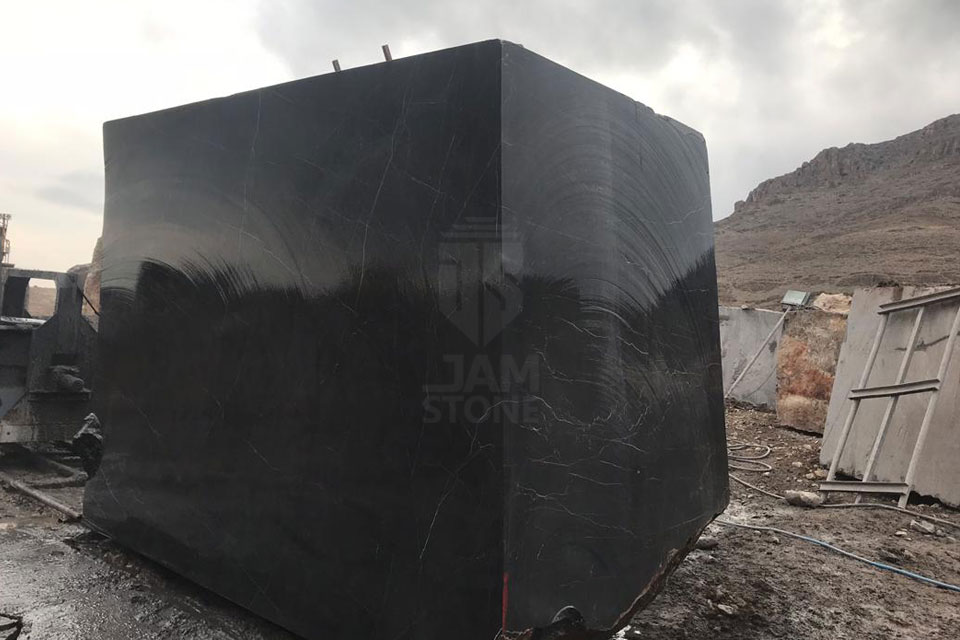
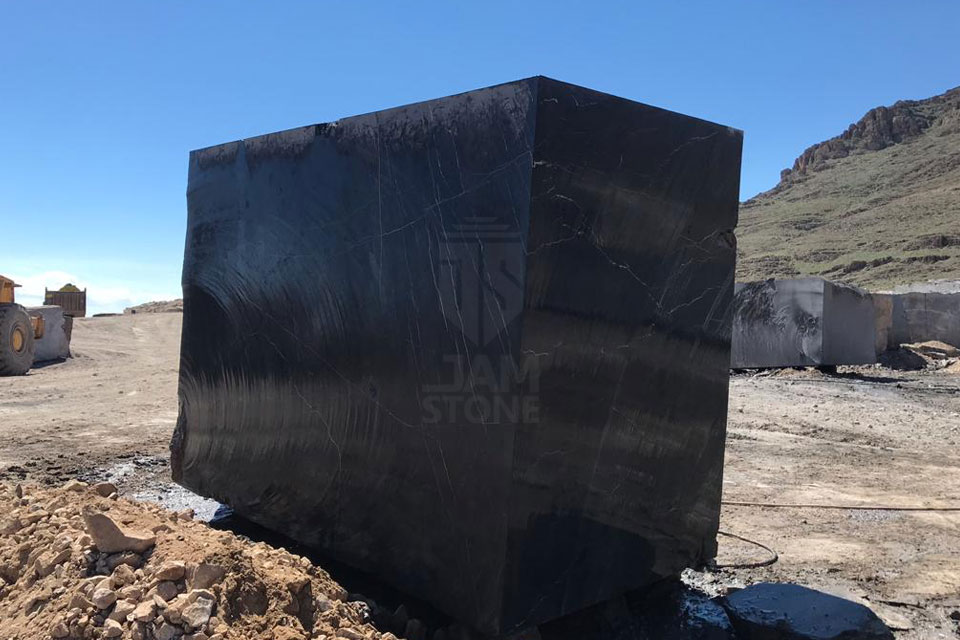
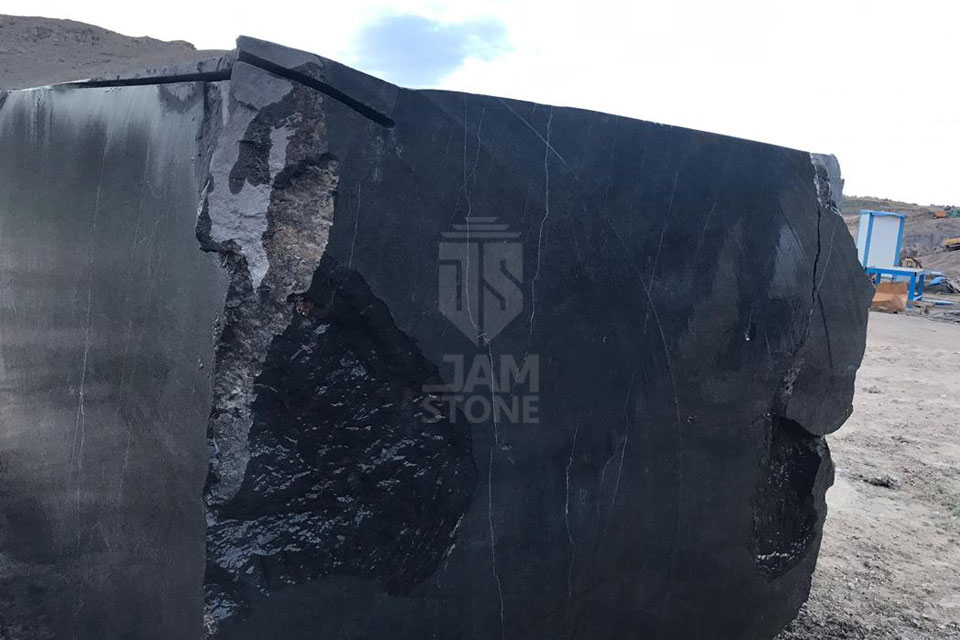

The popularity of Persian Absolute Black Marble among buyers in Persian Gulf and European countries underscores its status as a premium natural stone with global appeal, prized for its aesthetic beauty, durability, and versatility in various design applications.