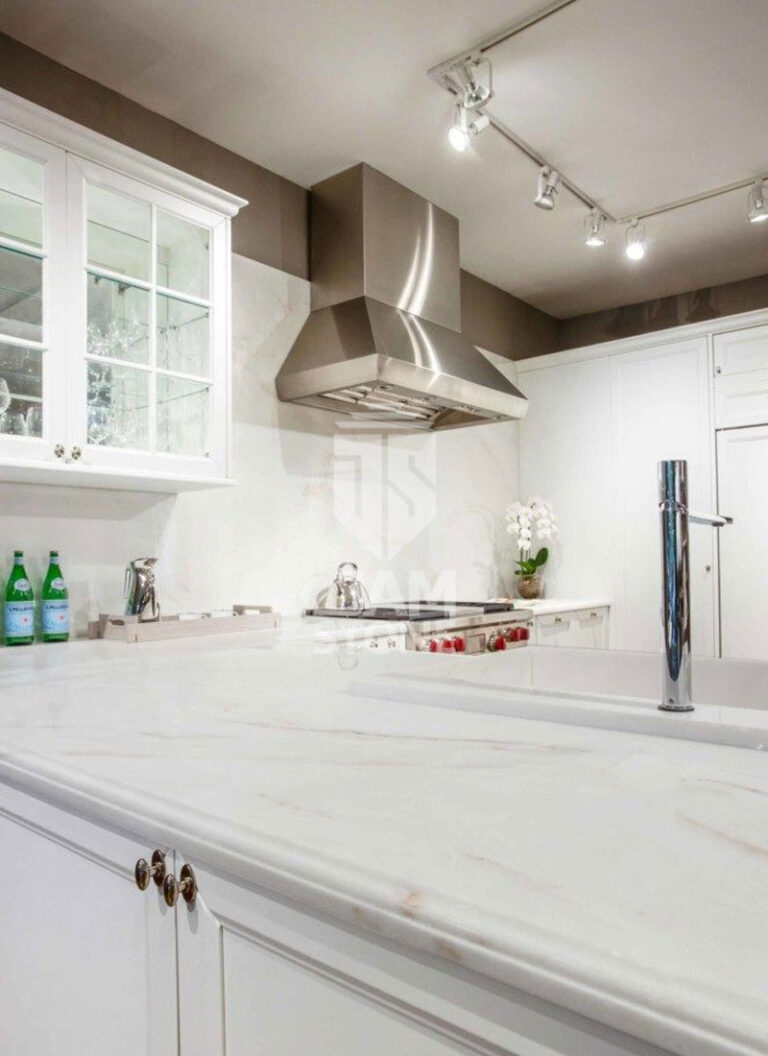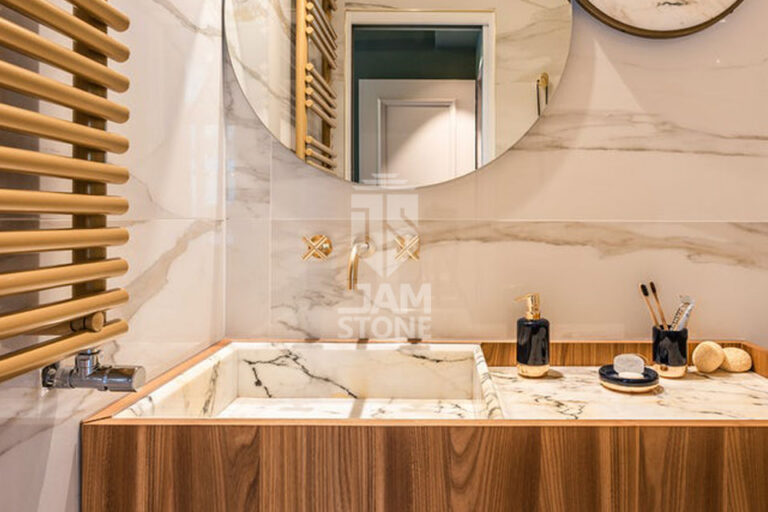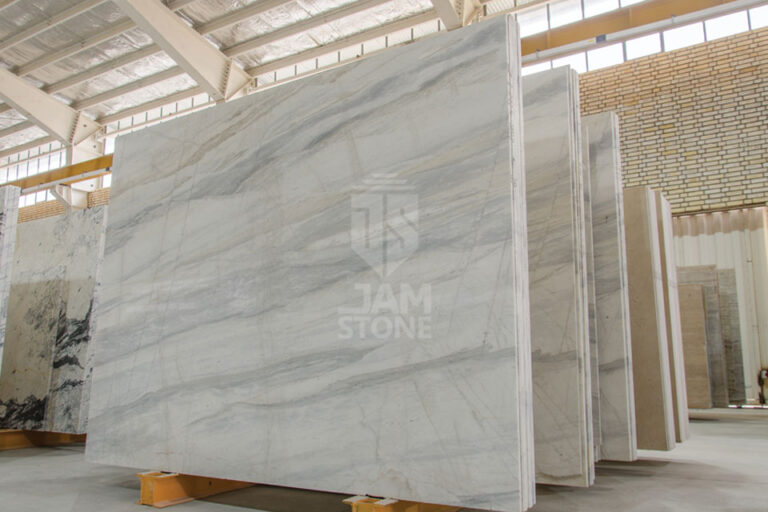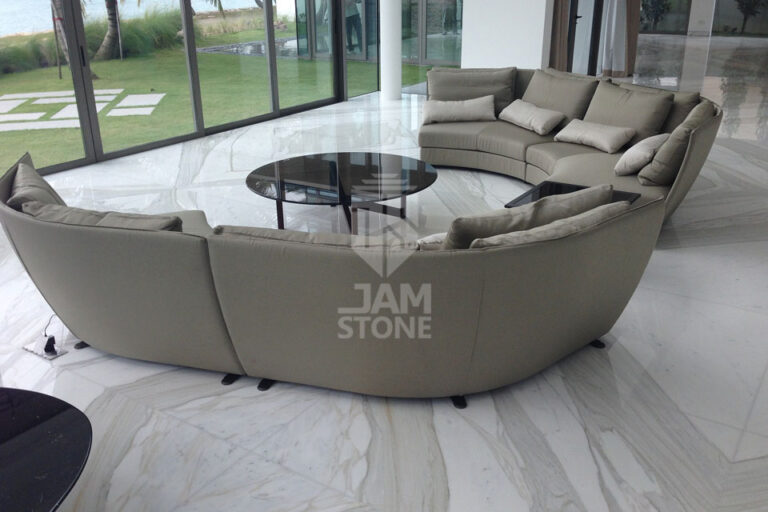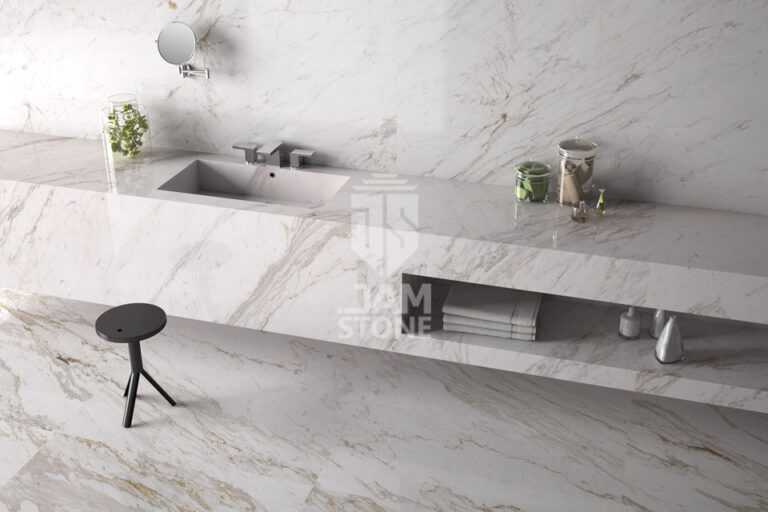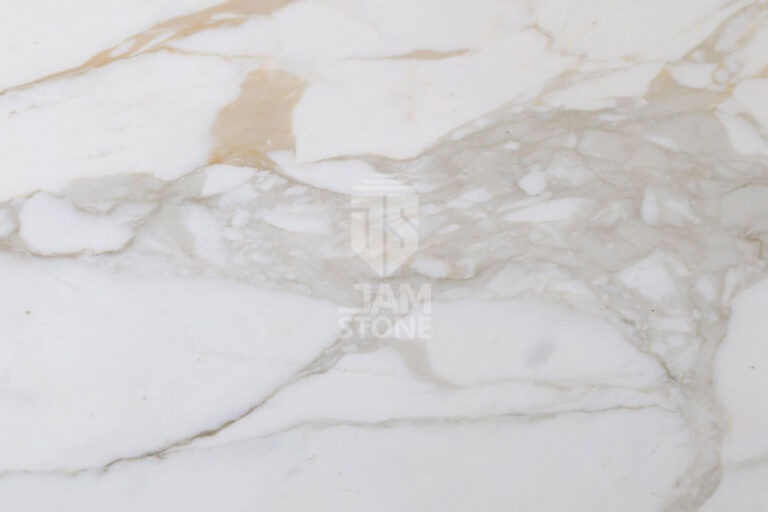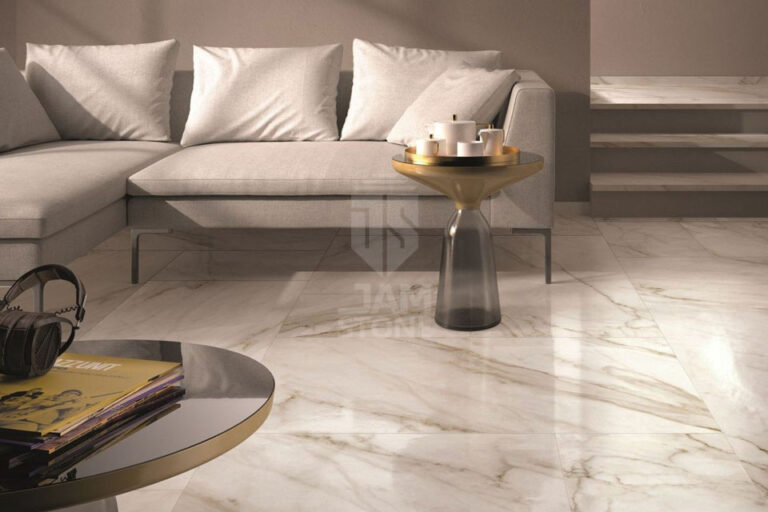

Persian Calacatta White Marble Q offers a bright white base marked by disciplined gray veins that read clean rather than busy. Designers choose it for contrast, bookmatched features, and polished planes that reflect light without visual noise. The Q selection narrows color and pattern variation, so large surfaces appear calm and controlled. Because it is a calcite marble, the stone suits interior use where careful detailing and maintenance are realistic. This article explains performance, formats, pricing factors, delivery steps, and care so specifications lead to reliable, well-executed work.
Consistent results begin with a reliable supply chain. JAM Group Co. sources Persian Calacatta White Marble Q from trusted Iranian quarries and controls each step, block selection, slab calibration, and surface finishing, so batches match in tone and thickness. Dedicated QA checks for flatness, gloss targets, and clean edges reduce site rework and speed installation. Robust packing with foam interlayers, corner guards, and moisture wrap protects faces on long routes, and crate labels keep bookmatched sequences in order. With this structure, teams can specify polished, honed, or leathered finishes confidently and plan floors, walls, vanities, and bespoke pieces with fewer risks.
Persian Calacatta White Marble Q is a premium Iranian marble selected for a bright field and confident, Calacatta-style veining. The “Q” tag denotes stricter sorting for higher whiteness, fewer blemishes, and balanced vein density. It accepts a high polish yet remains non-translucent, so color and pattern read with clarity across panels. As a calcium-carbonate stone, it can etch with acids and should be specified for interiors. When projects require mirrored wall sets or serene backgrounds, this grade supports stable visual rhythm and precise detailing.
Physical performance reflects the marble family: compact crystalline fabric, low open porosity, and strengths suited to interior floors and cladding. Family-typical density and absorption figures indicate good dimensional control when substrates are flat and dry and bonding is continuous. Resin-mesh reinforcement on slab backs reduces micro-chipping and stabilizes natural fissures through fabrication, transport, and installation. Edge design, span limits, and movement joints complete the system to manage service loads. The subsections below summarize composition, density and porosity, mechanical resistance, dimensional behavior, and thermal and moisture considerations for reliable specifications.
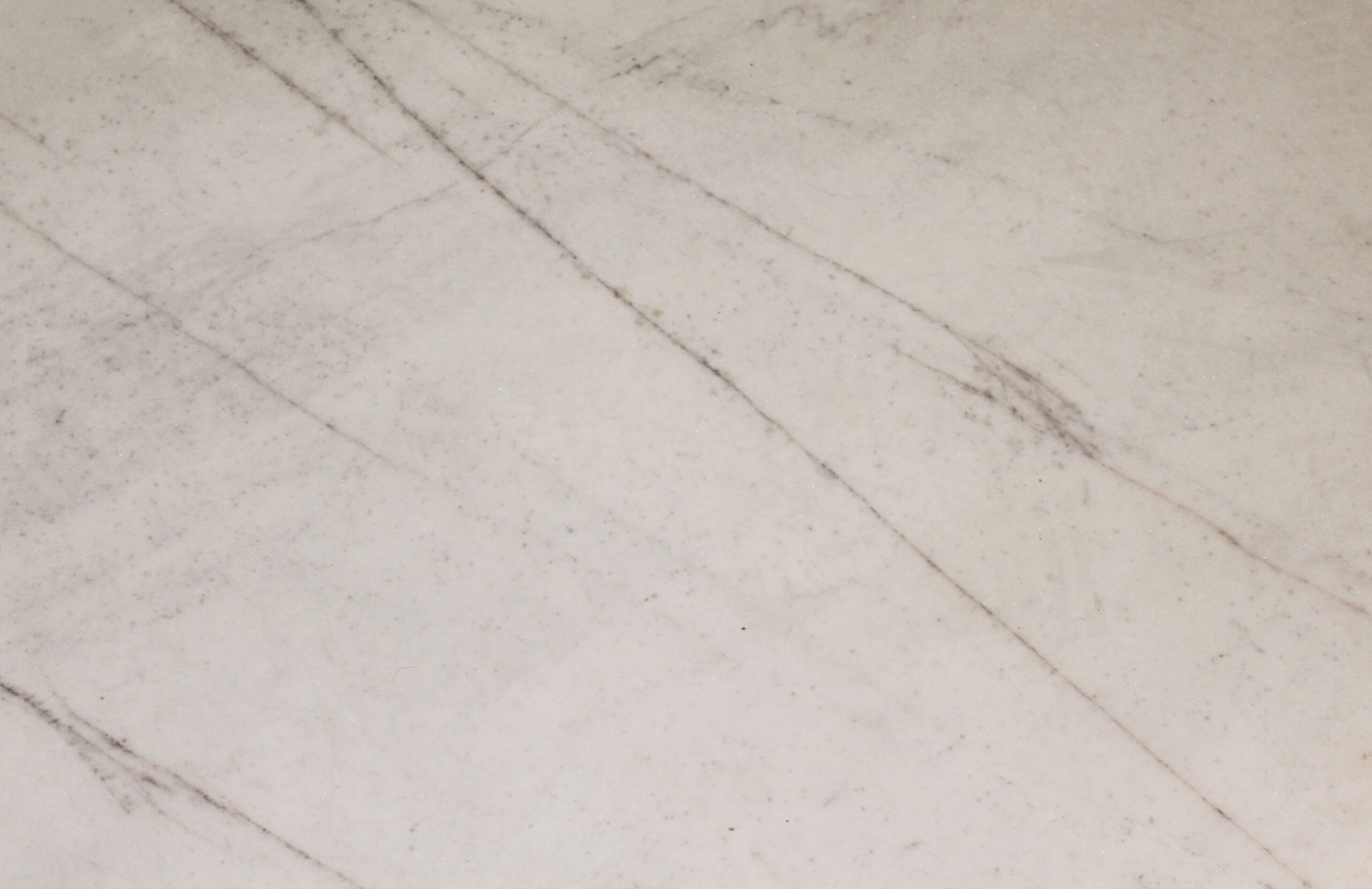
This calcite-based marble is predominantly calcium carbonate, with occasional graphite or organic traces shaping cool gray veins and rare warm notes from iron oxides. The Q selection targets a bright ground and disciplined Calacatta-style veining, reducing background “noise” and supporting clean, architectural layouts in large, continuous surfaces.
Family-typical bulk density of about 2.60–2.75 g/cm³ and low open porosity (~0.2–1.0%) help maintain dimensional stability indoors. Water absorption near 0.10–0.30% supports reliable bonding. Use white, stone-grade adhesives to avoid shadowing, allow full cure times, and maintain dry substrates to prevent edge darkening or telegraphing in wet zones. These ranges reflect calcitic marbles generally; project-specific laboratory data should take precedence when available.
Typical compressive strength around 90–120 MPa and flexural strength near 10–18 MPa suit interior floors, walls, and treads when thickness and support are correct. Values vary by quarry, cut, and veining orientation. With Mohs hardness ~3, prevent abrasion using entrance mats and routine dust control. Favor rounded edges and continuous backing to reduce stress and chip risk at arrises.
Calibrated thickness, flatness control, and resin-mesh reinforcement limit micro-chipping during cutting and handling. Provide movement joints per applicable standards at perimeters, transitions, and intervals on large fields. Back-butter for full coverage, minimize voids, and verify corner integrity before packing matched sets destined for bookmatched walls or long, aligned facades.
Interior temperature and humidity swings are usually benign, yet rapid changes can stress large panels. Keep stone away from concentrated heat sources, and manage vapor in wet zones using slopes, drains, and breathable sealers. Exterior or freeze–thaw use is not recommended without project testing; thicker pieces, drainage layers, and documented mock-ups are required before approval.
Aesthetic qualities define this material: a crisp white ground, disciplined gray veining, and finishes that steer both reflection and touch. Lighting direction shapes perception, with grazing light revealing crystal play and honed surfaces softening contrast. Performance depends on finish choice, sealer type, and cleaning routines, while chemistry is governed by calcium carbonate’s sensitivity to acids. Slip behavior, especially in wet zones, is a combined outcome of texture, module size, and maintenance. The subsections below organize these points for practical specification and long-term care.
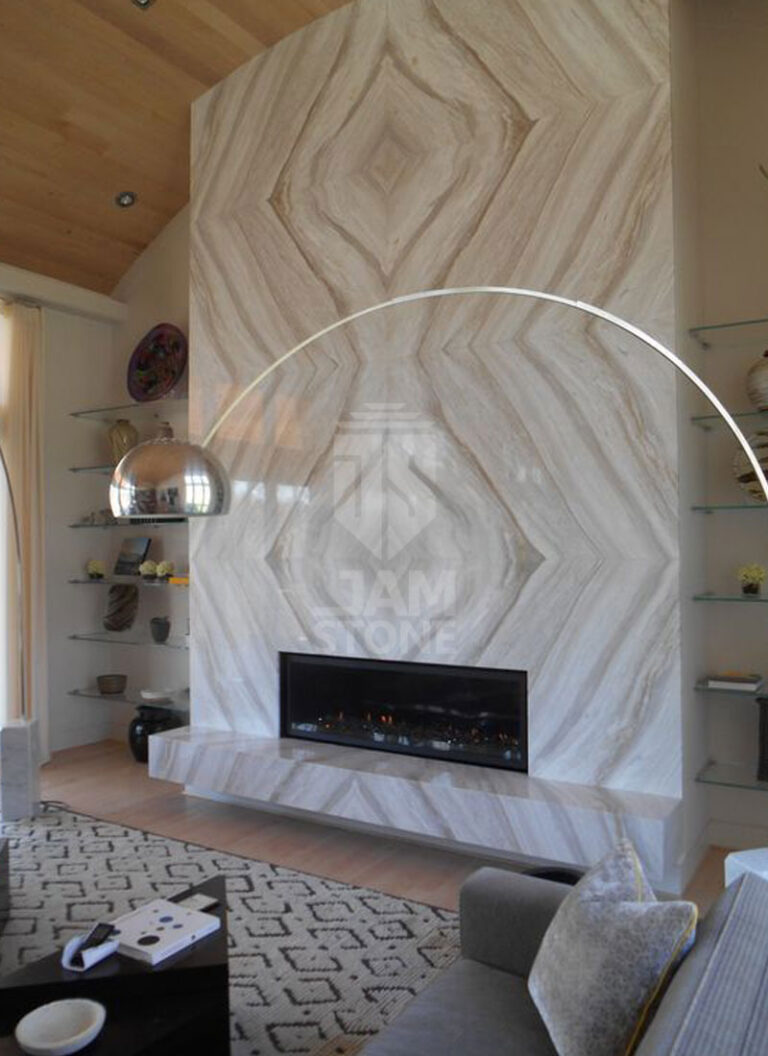
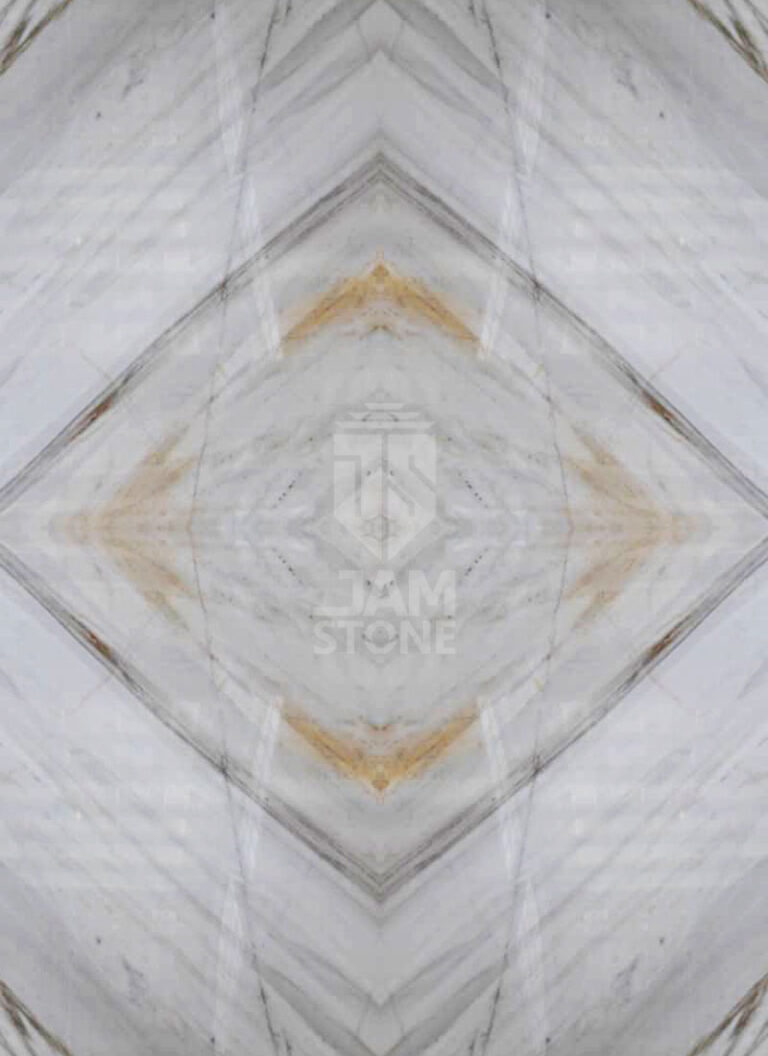
The look centers on a bright white field animated by controlled gray veins that suit bookmatching. Balanced patterning supports minimal detailing and precise joints. For continuous features, reserve sequential slabs and dry-lay to confirm vein flow across returns, openings, and corners before fabrication, preserving orientation through packing and installation.
Finish choice steers both appearance and maintenance: polished gives high reflectance and strong contrast; honed lowers glare and hides light tracking; leathered adds tactile relief. Confirm gloss or sheen targets on control pieces, and test any anti-slip or specialty treatment on off-cuts to verify color, texture, and cleanability before full production.
While non-translucent, polished faces interact strongly with light; grazing beams reveal crystal play, while honed finishes soften reflection. Indoors, color remains stable; discoloration usually traces to sealers or adhesives. Use UV-stable products near large glazing, manage fixture angles to avoid raking highlights, and balance illumination to reduce perceived lippage. Avoid waxes or topical coatings that may yellow under UV.
Calcium carbonate etches with acids, leaving dull spots. Manage risk through pH-neutral cleaners, prompt wipe-ups, coasters, and routine sealing. For potential iron-related yellowing, use white adhesives, ensure full-coverage bonding, and keep assemblies dry. Record products and dates in a maintenance log so crews can replicate effective methods consistently. Avoid acidic cleaners (e.g., vinegar, lemon).
Traction depends on finish, module size, and maintenance. Honed or textured surfaces provide better wet grip than high polish; mosaics increase grout lines for mechanical traction in showers and entries. Where codes apply, test representative samples, matched to the intended finish and cleaning regimen, and align cleaning agents and equipment with finish requirements to maintain slip performance over time.
Supply covers slabs, calibrated tiles, and cut-to-size elements, with mosaics and profiles supporting transitions and wet areas. Large panels demand attention to flatness, crate engineering, and clear labeling, especially when bookmatching is planned and orientation must be preserved through shipping. Tiles benefit from rectified edges and joint planning suited to the environment and cleaning equipment. Exterior pieces require texture and climate review to perform safely. The subsections outline format options and the key decisions that make installation smooth and predictable from factory to site.
Slabs are commonly supplied in 2 cm and 3 cm thicknesses, with practical dimensions in the approximate range of 250–320 by 140–200 centimeters. Resin-and-mesh backing improve handling. For large bookmatched walls, reserve sequential slabs and label them clearly to protect orientation through fabrication, packing, and installation.
Tiles are typically calibrated for tight joints in formats such as 300×600, 600×600, and 600×1200 millimeters. Thickness often runs 10 to 20 millimeters depending on use, typically 10–12 mm for walls and 15–20 mm for floors. Rectified edges support narrow joints; wet zones may prefer slightly wider joints to accommodate movement and reliable grout packing during installation.
Cut-to-size elements—vanity tops, stair treads and risers, thresholds, jambs, and cladding panels—follow approved shop drawings. Agree on tolerances for thickness, flatness, and edge profiles. Provide sink, faucet, and hardware templates early. Complex geometries benefit from CNC or waterjet cutting and a documented dry-fit process.
Mosaics in 20 to 100 millimeter modules suit shower floors and feature walls. Mesh mounting speeds installation and helps alignment, but confirm mesh adhesives are compatible with selected mortars. Smaller pieces improve traction and control curvature; seal edges before grouting to simplify cleanup and reduce staining.
Exterior pavers are possible only in mild climates and protected settings. Specify 20 to 30 millimeters or more with a textured finish. Provide drainage layers and movement joints, and avoid de-icing salts. Use only in covered or well-drained areas; confirm local salt exposure and freeze–thaw conditions. Conduct a site-specific slip assessment and freeze–thaw evaluation before committing to outdoor pedestrian surfaces.
Skirting and baseboards usually run 80 to 120 millimeters high with matching finish and eased edges. Mitered external corners improve durability and appearance. Where cleaning equipment may strike edges, specify slightly thicker bases or add protective trims. Seal junctions to prevent moisture ingress and dirt accumulation.
Blocks selected for this grade favor brightness and balanced veining. Larger blocks reduce waste and enable jumbo slabs or long, continuous cladding. When a project needs consistent tone across phases, reserve related blocks upfront. Maintain traceability with block numbers so future orders can match earlier deliveries. Jumbo slab feasibility should be verified after primary sawing.
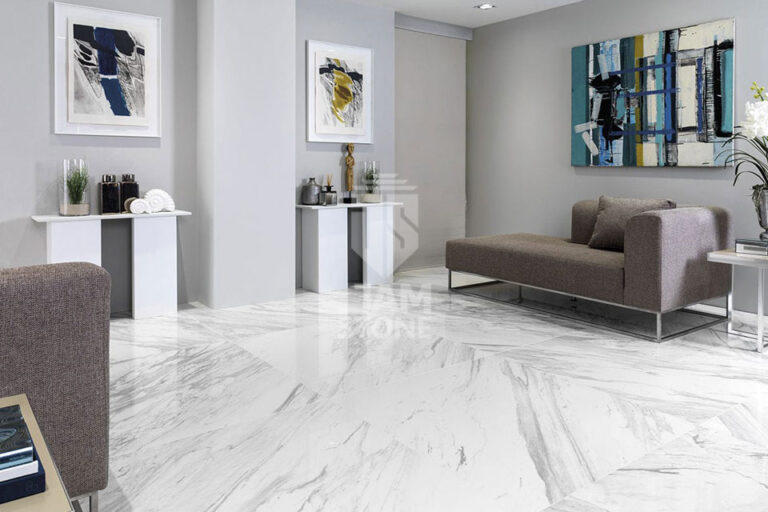
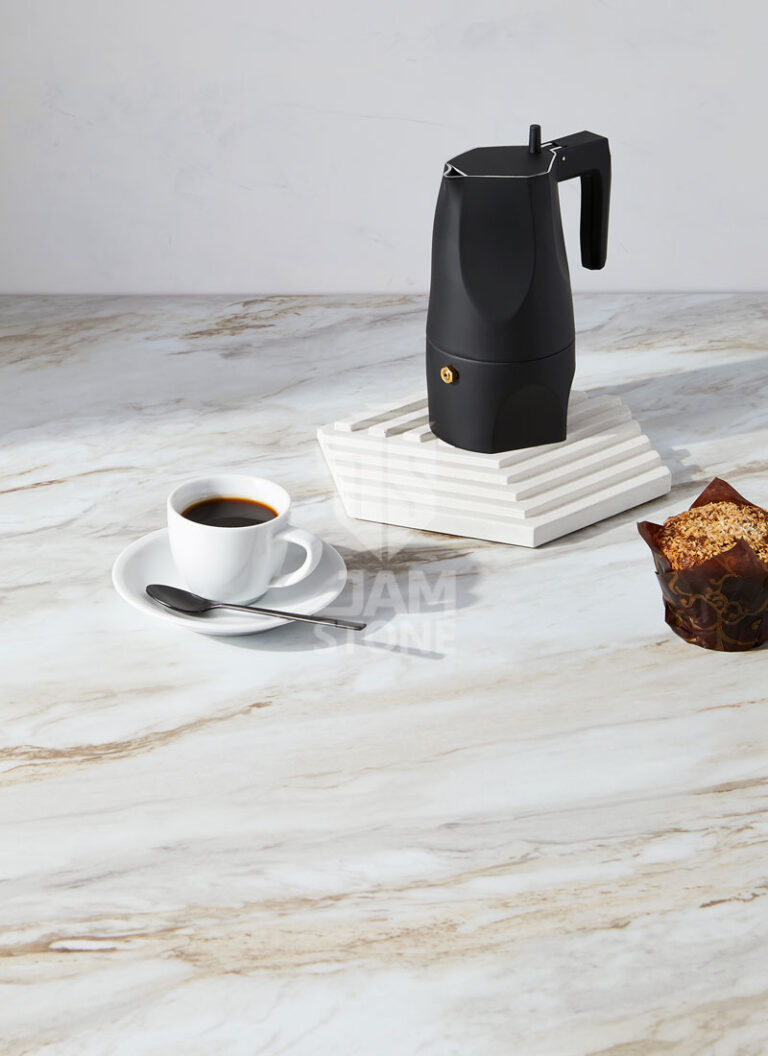
Use cases center on controlled interiors: floors in low to medium traffic, wall cladding, reception desks, vanities, bath surrounds, stair treads and risers, and fireplace faces. Kitchen worktops are feasible for light duty with strict habits around acids and abrasives and a clear care plan. Cutting boards and trivets remain essential. Outdoor use needs caution, particularly where freeze–thaw cycles or de-icing salts occur and when slip resistance is regulated. When continuity matters, plan bookmatched sets early, reserving sequential slabs, labeling orientation, and dry-laying before cutting to confirm visual flow across returns, openings, and corners.
Public price figures are misleading because real costs depend on grade, block size, slab yield, processing quality, finish, thickness, order scope, and route to site. Sharing drawings, finish schedules, and destinations enables accurate quotations and fewer surprises during fabrication and delivery. Clear inputs improve crate planning and delivery timing while reducing waste and rework. The subsections below explain the drivers that move numbers up or down, so teams can balance appearance, durability, and overall project budget without guesswork and avoid false comparisons between dissimilar materials.
Stone grade drives price because higher whiteness and balanced, elegant veining are scarcer. The Q selection narrows allowable variations, raising rejection during sorting. Buyers should review physical samples and photos under neutral light, agreeing on tone and vein character so expectations and delivered batches align closely.
Block size and slab yield affect cost by changing waste and achieving desired panel sizes. Clean, large blocks reduce offcut losses and enable wide bookmatched features. When big formats are essential, plan earlier quarry allocations and accept that yield protection may increase unit cost but lower installation complexity.
Processing quality matters: accurate calibration, flatness control, and careful resin-mesh work reduce rework and site risk. Consistent gloss or honed sheen across batches takes time and skill. Shops that document inspections, label sets, and protect edges in packing add cost but usually save time on site.
Finish type changes both cost and maintenance. Polished surfaces are common; honed or leathered finishes introduce extra steps and inspections. Specialty textures or anti-slip treatments add processing and testing. Align the finish with traffic patterns and cleaning plans to balance upfront price with long-term operating effort.
Thickness and format influence material and handling costs. Three-centimeter slabs weigh more and need stronger frames and labor. Large or curved cut-to-size elements require custom crates and longer fabrication windows. For stairs and furniture, design details like miters and stiffeners affect yield, time, and overall budget.
Order scope and complexity—mock-ups, dry layout, bookmatched sequences, and phased deliveries—shape quotations. Sharing drawings, takeoffs, and program dates early allows realistic lead times and crate plans. Clear, consolidated orders reduce partial shipments and exposure to market changes in quarry availability or freight rates.
Logistics and destination determine packing styles, documentation, and freight class. Long routes call for stronger crates, moisture barriers, and redundant labeling. Schedule alignment with site receiving is critical; missed windows create storage risks. Early customs and compliance checks prevent delays and protect quality on arrival.
From quarry to packing, the path is structured for stability. Teams select blocks with bright backgrounds and balanced veins, reserving related lots for large projects to maintain tone continuity. Primary sawing yields slabs that are reinforced on the back with resin and mesh to stabilize micro-fissures and improve handling. Surfaces are then polished or honed through progressive steps, and calibration brings thickness within tight tolerances across the run. Matched sets for bookmatched walls are sequenced and labeled for clear orientation during shop fabrication and site installation.
Inspection screens out edge chips and surface defects before packing to protect the final look. Crates use strong timber, foam interlayers, spacers, corner protectors, and moisture-resistant wrap to control rubbing and humidity across long routes. External labels show product code, thickness, tone group, and count for quick checks on site by receiving teams. Container layouts reduce breakage and freight waste, and documentation accompanies each shipment through customs. Coordination with delivery windows protects storage conditions and keeps downstream trades on schedule for dry-fit and installation phases.
Good care keeps the surface clear and bright for years. Use white adhesives to prevent shadowing on a light stone and seal with a breathable, penetrating sealer after installation to slow staining. Plan resealing cycles based on use intensity, especially in wet rooms and busy commercial washrooms. Clean with pH-neutral agents and soft pads, avoiding acids and harsh abrasives that can etch. Entrance mats catch grit that could scratch, and coasters or trivets prevent metal transfer, ring marks, and thermal shock from hot vessels.
Movement joints should follow substrate layout and expected thermal swings to limit stress in wide fields. In showers, provide continuous slope and weep paths and consider epoxy grout for stain resistance and reduced maintenance. Record maintenance products and dates so future crews can replicate what works without experimenting. For oil stains, apply a poultice; for etches, a professional can re-hone or re-polish to restore clarity. Routine inspection catches minor issues early, keeping appearance and performance aligned with the original design intent.
JAM Stone Co. manages the value chain from selection to final packing to keep tone, thickness, and finish consistent. Teams choose blocks with a clean white field and balanced veins, then align slabs for bookmatched sets when required. Process control covers calibration, flatness checks, color consistency across batches, and gloss targets. Quality reviews screen edges, corners, and surface finish before packing. As a supplier of Persian Calacatta White Marble Q, the company supports specification reviews, mock-ups, and shop drawings, so site work moves smoothly. Technical advice is available for substrates, joints, and care plans. Pre-installation mock-ups are encouraged for finish and layout approval.
Global projects need stable shipping and clear documentation. As an exporter of Persian Calacatta White Marble Q, JAM Stone Co. prepares robust wooden crates with foam layers, corner guards, and moisture-resistant wrap. Pieces are spaced to prevent rubbing and labeled for traceability. Packing lists, invoices, and quality notes are issued with each batch. Containers are planned to reduce breakage and freight waste. The logistics team coordinates dispatch with the site calendar, so downstream trades can keep their schedule from dry-fit to handover.
Supply draws on select white-marble reserves within Iran’s central quarry belt, prioritizing steady brightness and vein balance across batches. Close partnerships secure continuity of color and help plan production windows for large orders. As a provider of Persian Calacatta White Marble Q, the company prepares matched tone groups for big surfaces and keeps records to support future re-orders. Where projects need complex geometry, shop drawings guide cutting and edge details. Minimum order quantities are flexible for samples and mock-ups, while production runs follow a planned calendar.
Packing protects the finish and edges from first lift to final site delivery. Crates use strong timber, foam interlayers, and moisture-resistant wrap to defend against rubbing and humidity. Labels show product code, thickness, tone group, batch/lot number, and count for quick checks on site. For slabs, spacers keep faces apart and corner protectors prevent bruising. Tile cartons are stacked to avoid creep and strapped to pallets. Edge guards are recommended for pallet perimeters. Clear instructions and photos help receiving teams check shipments quickly and move them to safe storage before installation.
is one of the most beautiful crystals in Iran with a white background and irregular gray and black lines which are visible in this white color stone.
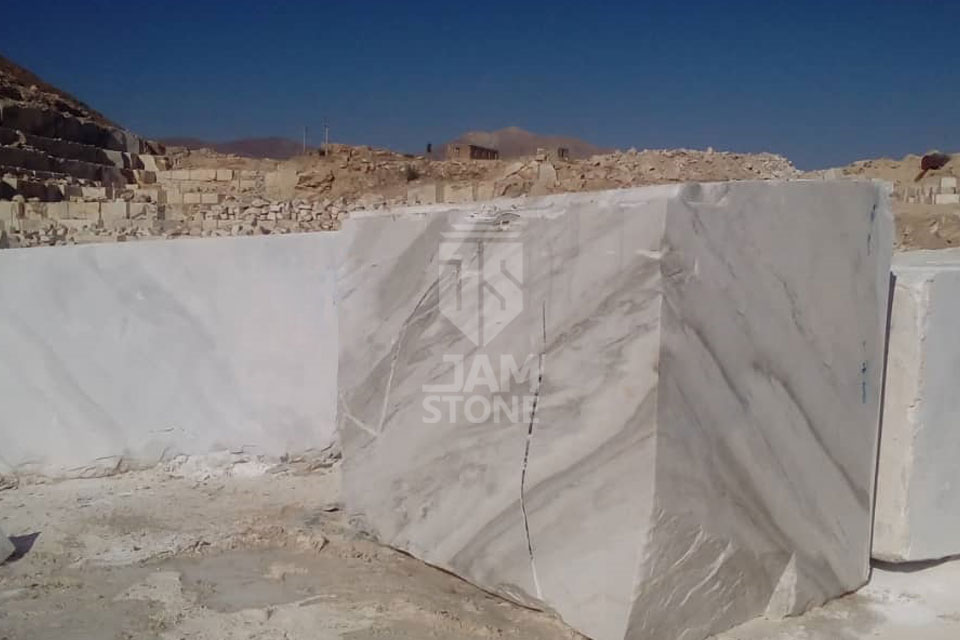
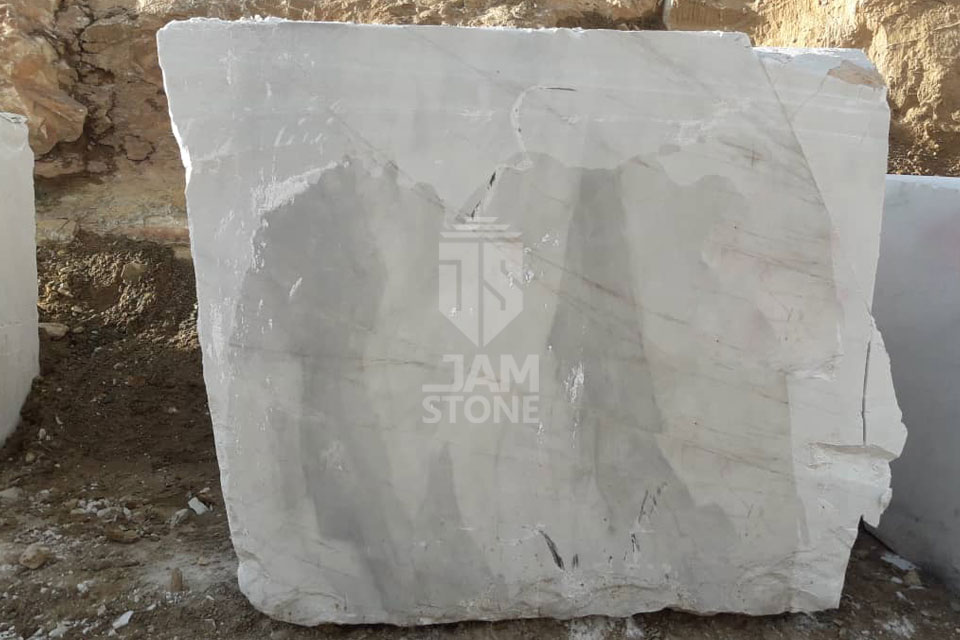
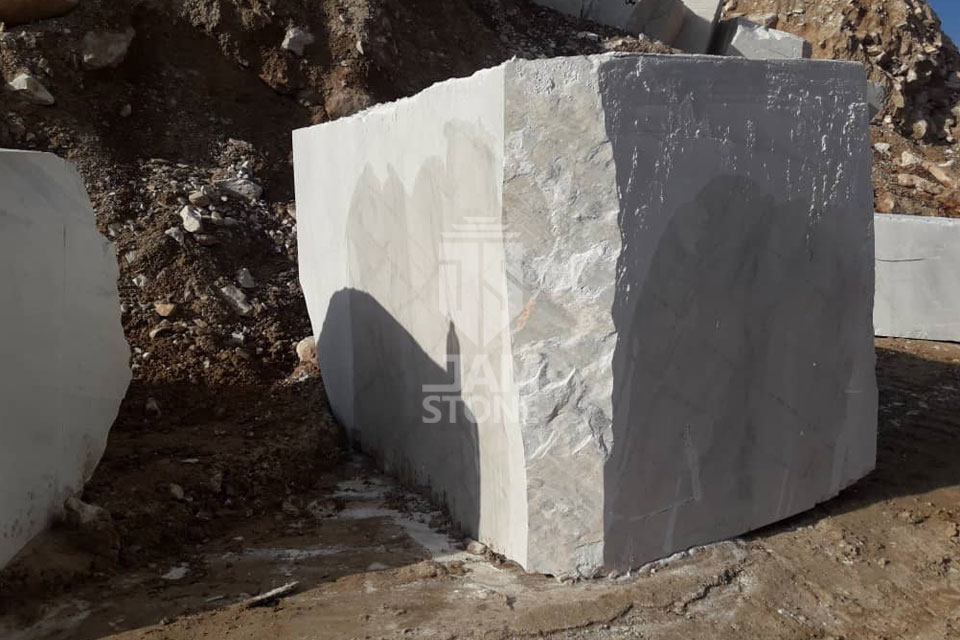
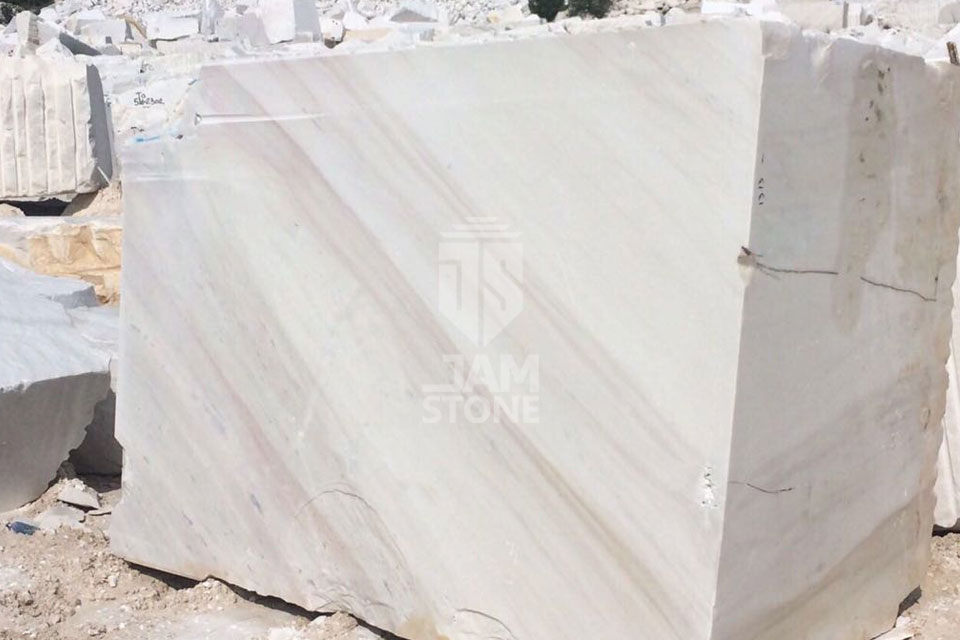
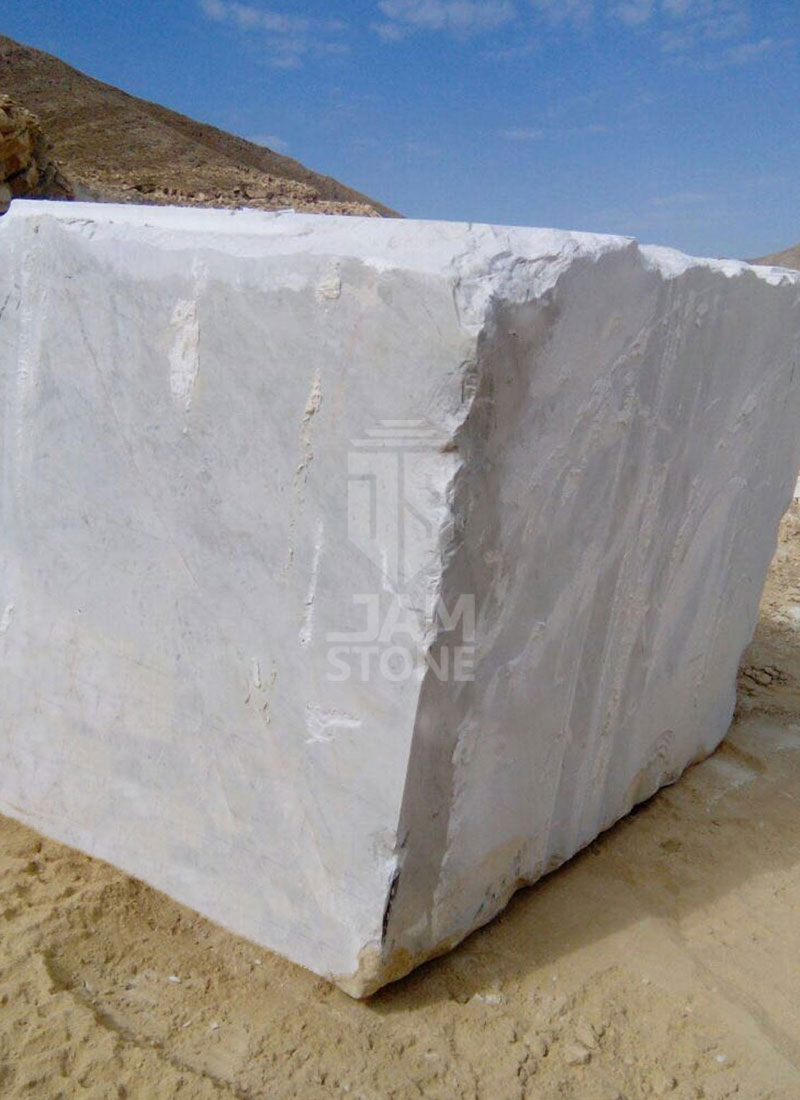
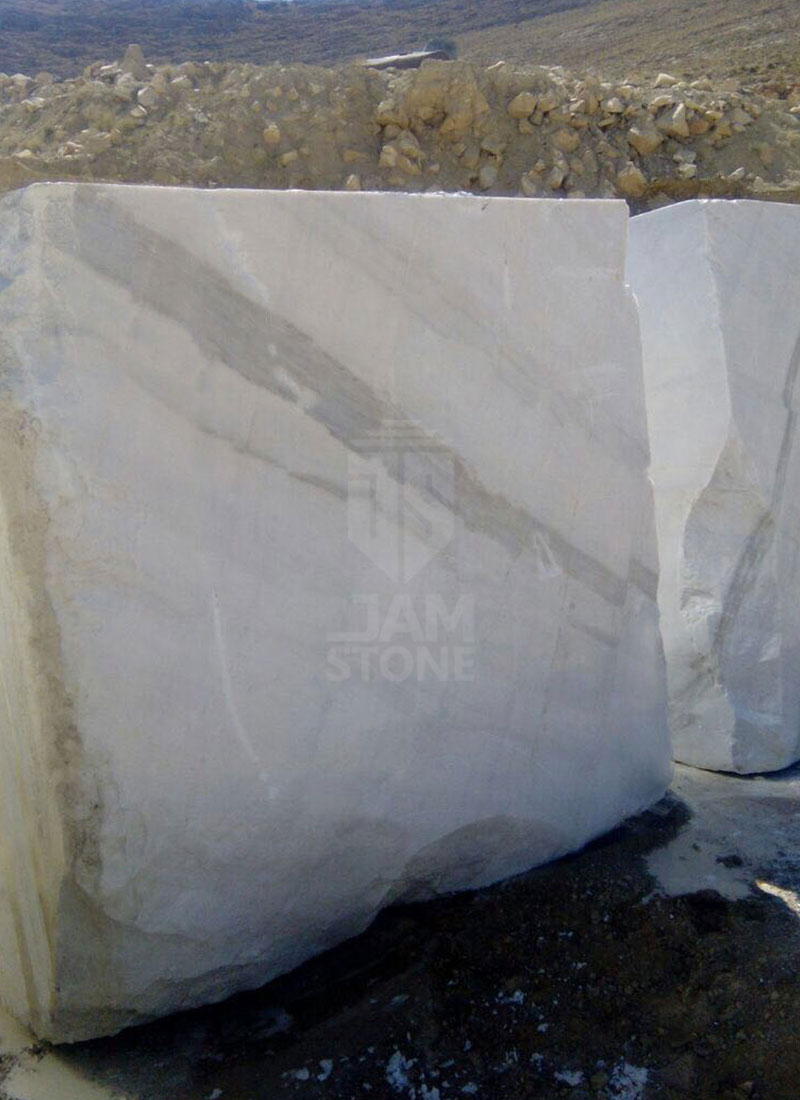
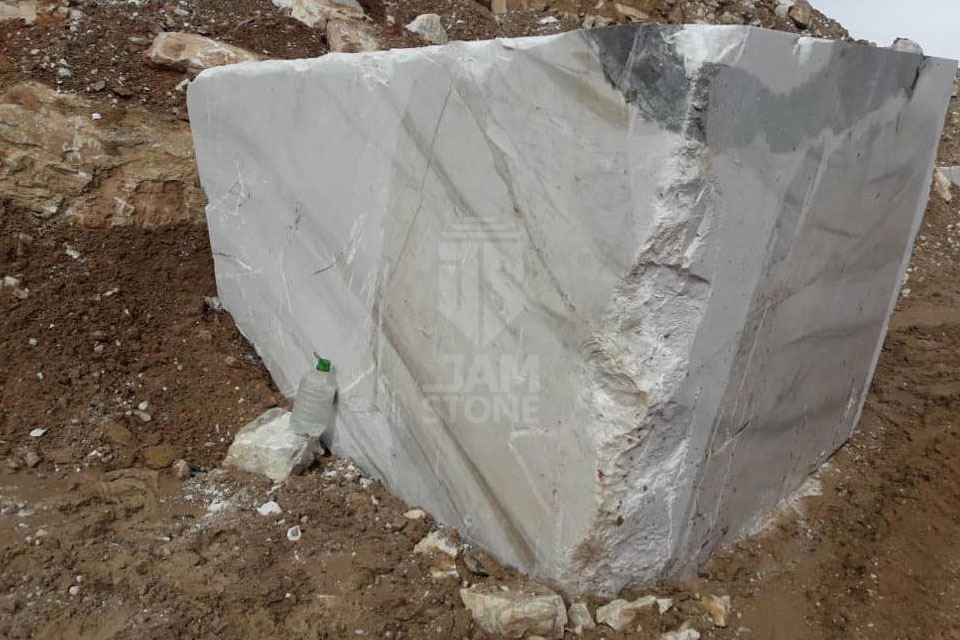
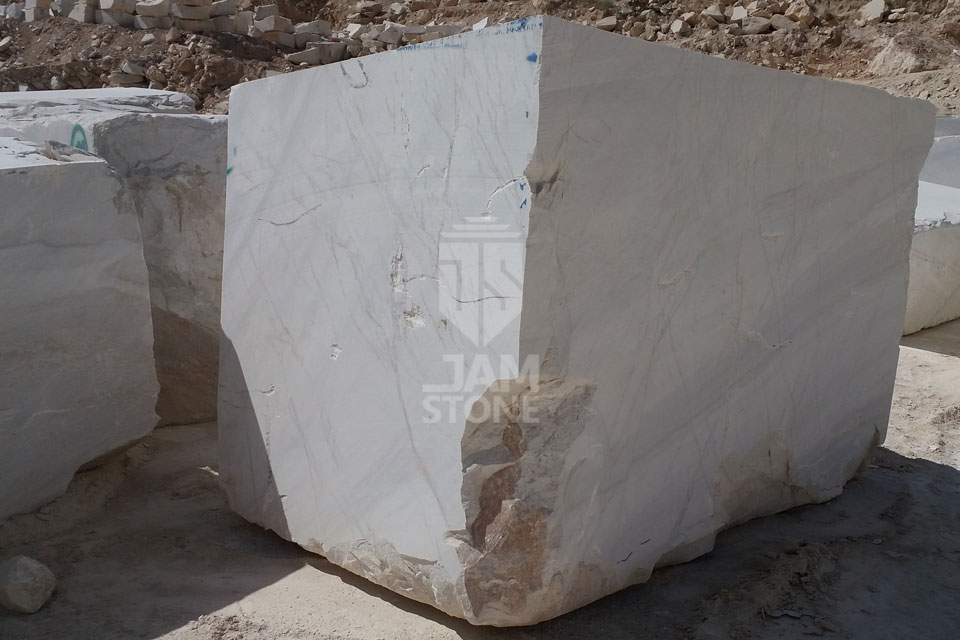
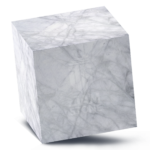
Indeed, Persian Calacatta White Marble enjoys a strong demand from both China and various European countries. The exquisite beauty and exceptional quality of this marble variety make it highly sought after in international markets.