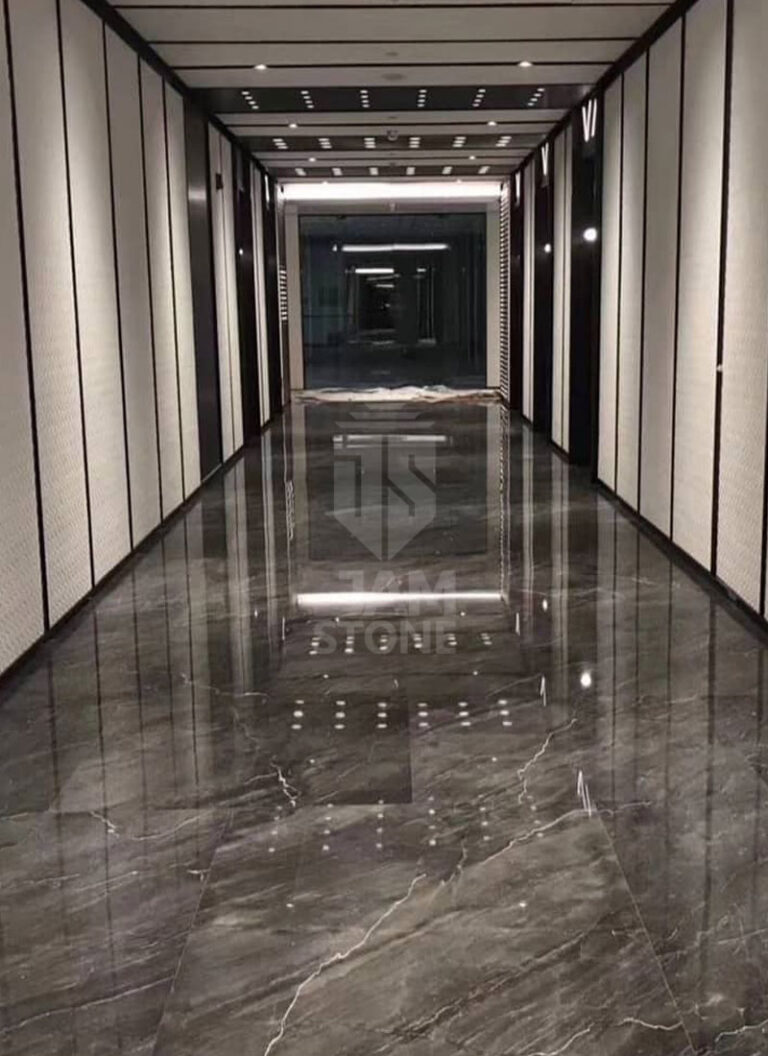

Persian De Savoie Venato Gray Marble can change the feel of a space without loud colors. Picture a quiet hotel lobby where the walls look calm, yet thin white streaks keep the surface visually active as you walk past. Have you ever wanted a grey stone that feels modern but not cold or flat? This Iranian marble is chosen for that balance: a steady grey background with light, vein-like movement. It suits interiors that need order, contrast, and natural detail in one material. Let’s explore it in more detail.
In stone projects, consistency protects the final result. A small shift in shade, thickness, or finish can become obvious once large areas are installed. JAM Stone Co. is a trusted and experienced supplier of Persian De Savoie Venato Gray Marble, supporting buyers from selection to export-ready packing. The focus is on clear grading, careful cutting, finish control, and protective crating so pieces arrive clean and ready for site handling. This structured approach helps teams reduce surprises and keep installation aligned with the approved sample.
Persian De Savoie Venato Gray Marble is a trade name for an Iranian grey marble marked by thin, white streaks that look like light “venato” lines. Some sellers may list it as De Savoie grey marble or venato grey marble, depending on their catalogue. The stone is extracted as blocks and then processed into slabs, tiles, and cut-to-size pieces for interior use. Buyers choose it when they want a neutral base that still shows clear natural movement on walls, floors, bathrooms, and countertop surfaces.
This stone belongs to the marble family, meaning it is a carbonate rock recrystallized under heat and pressure, composed mainly of calcite with possible dolomite content. Exact lab results depend on the quarry and the batch, so demanding projects should ask for test reports. If grade data is not provided, many dense marbles typically show bulk density around 2,700–2,860 kg/m³, water absorption often about 0.1–0.4%, and open porosity usually under 1%. Compressive strength is often about 90–160 MPa, with flexural strength often around 7–20 MPa.
This is a carbonate marble, usually dominated by calcite (CaCO₃), with possible dolomite content depending on the deposit. White streaks often come from cleaner calcite bands, while the grey tone can relate to very fine mineral traces. Small healed fissures may exist and are often stabilized during processing for better integrity.
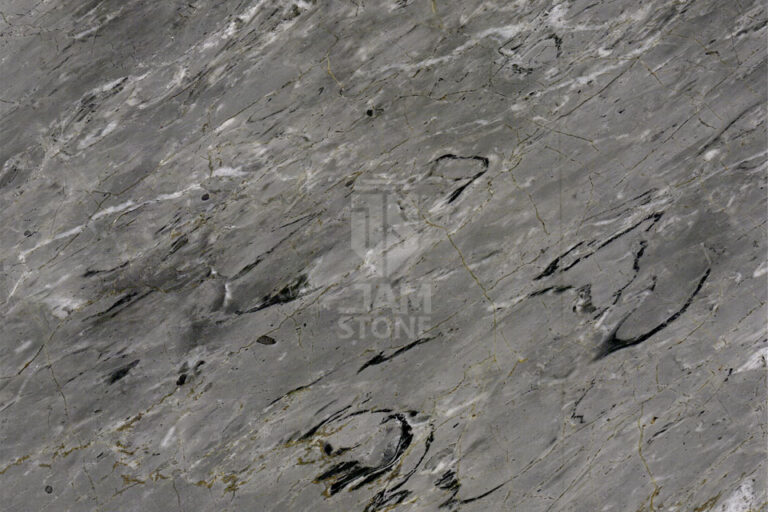
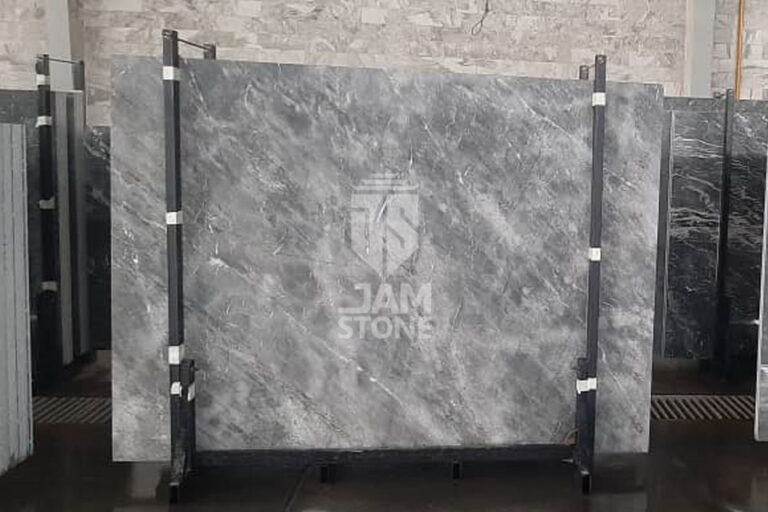
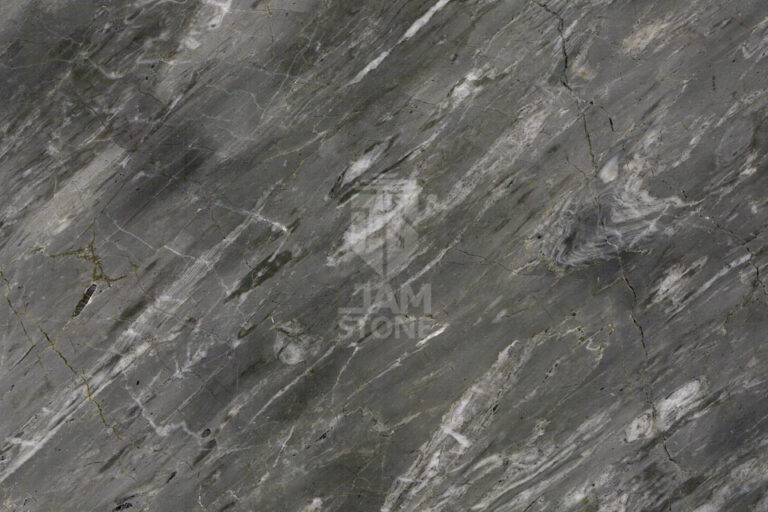
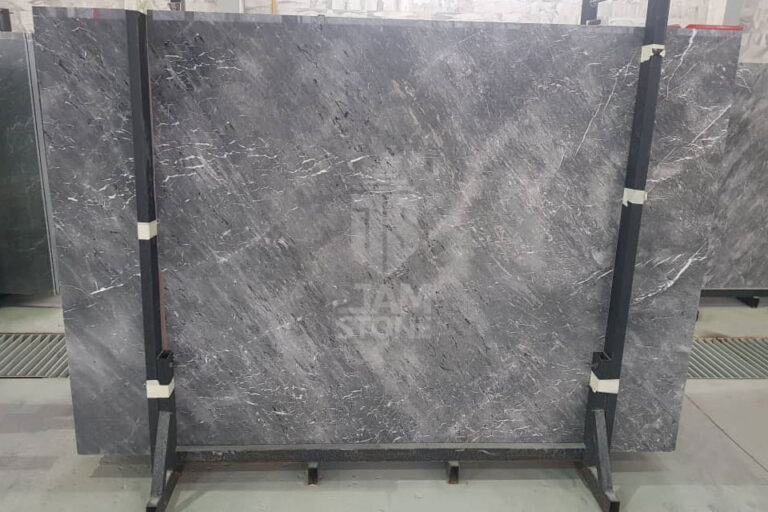
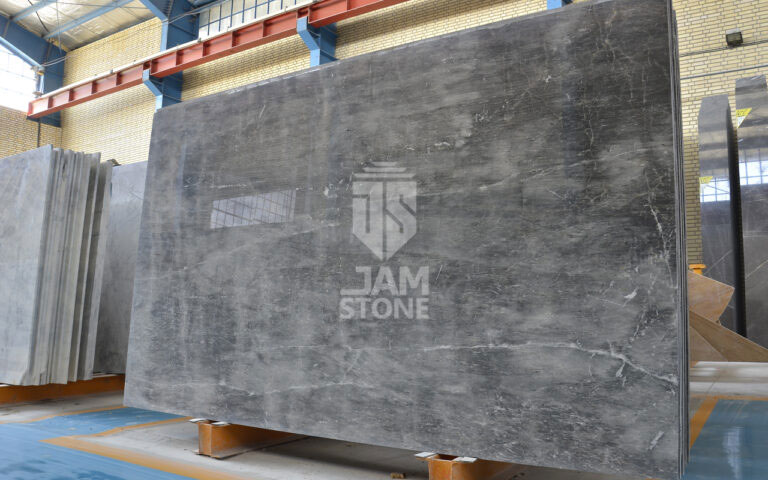
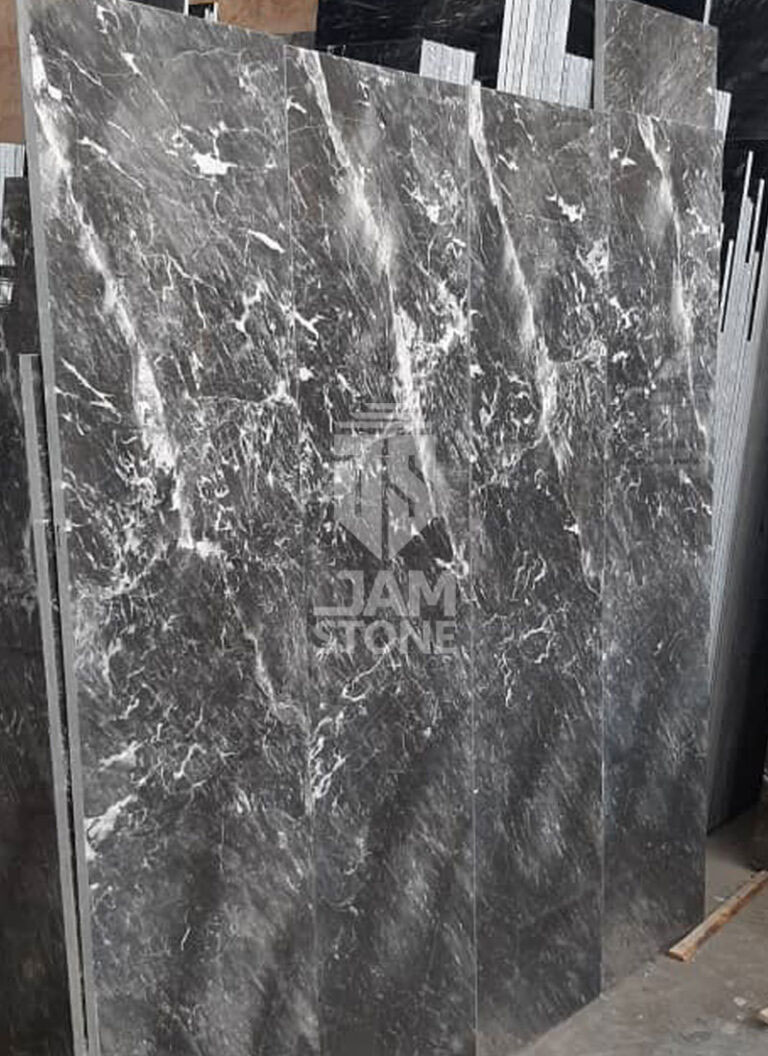
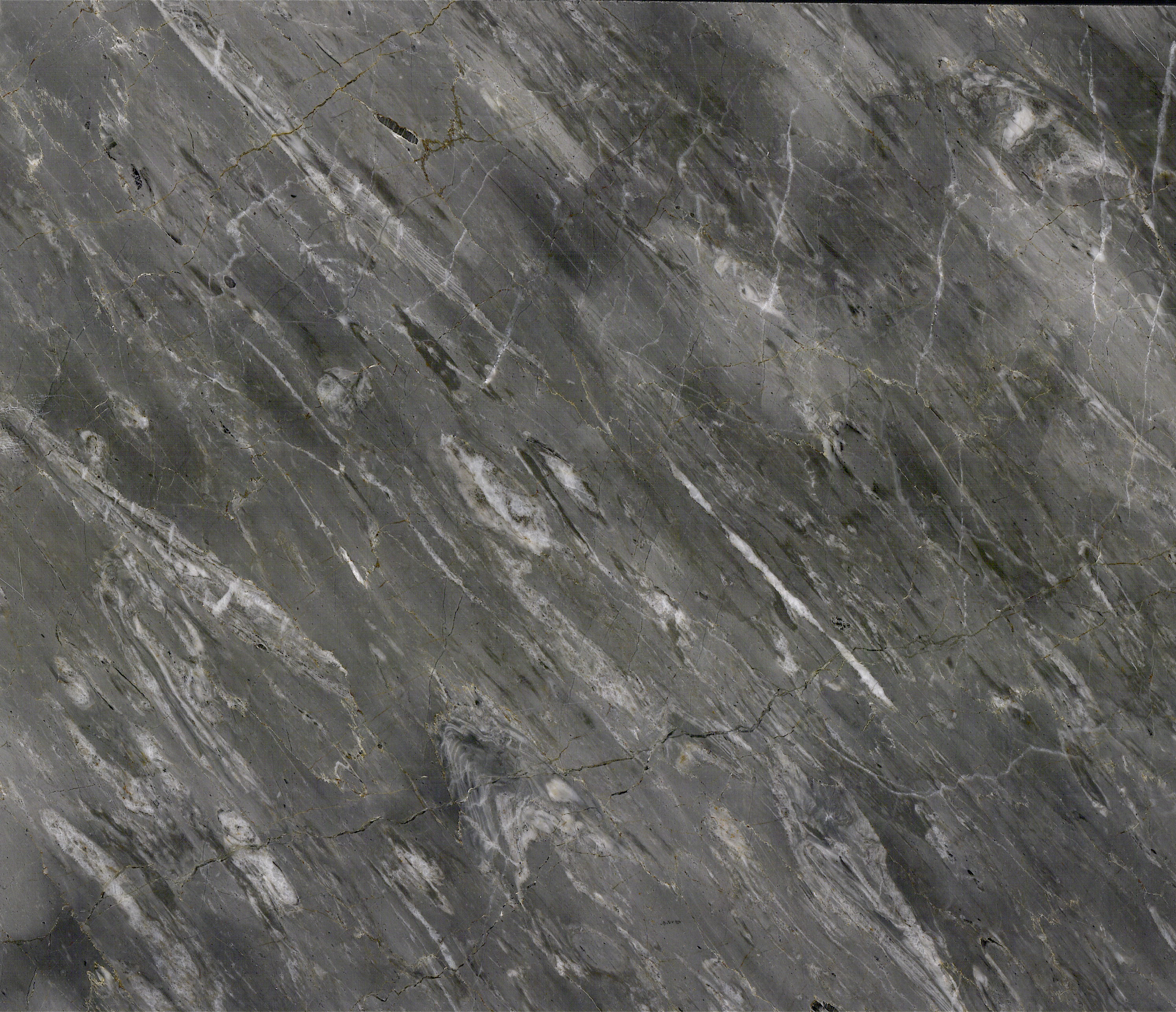
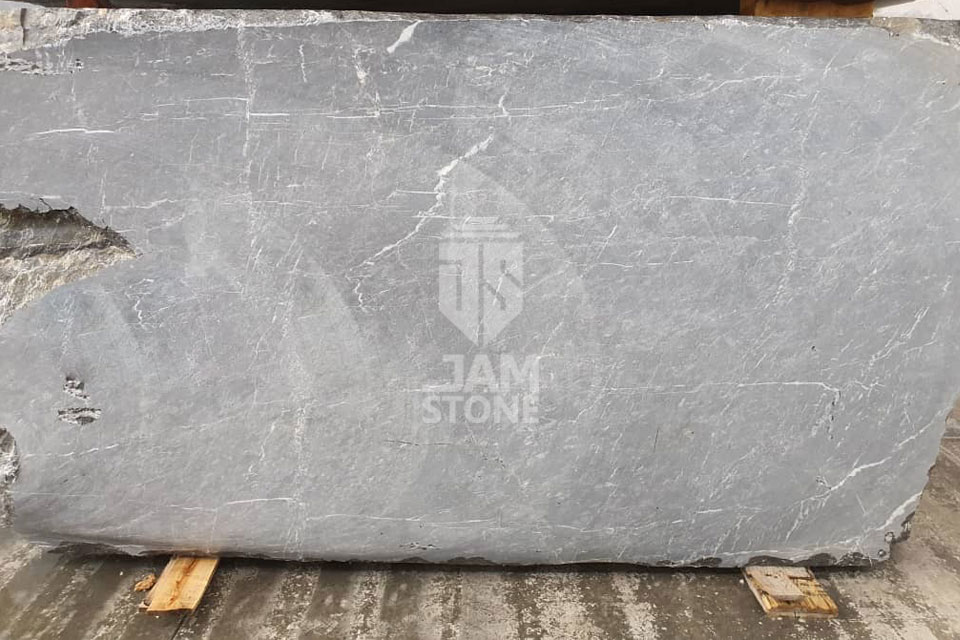
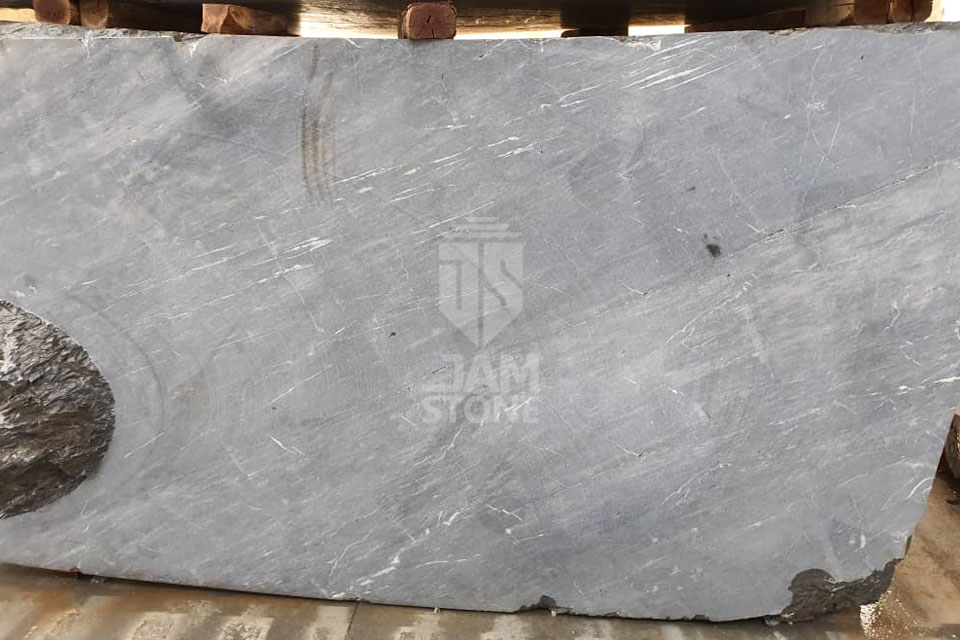
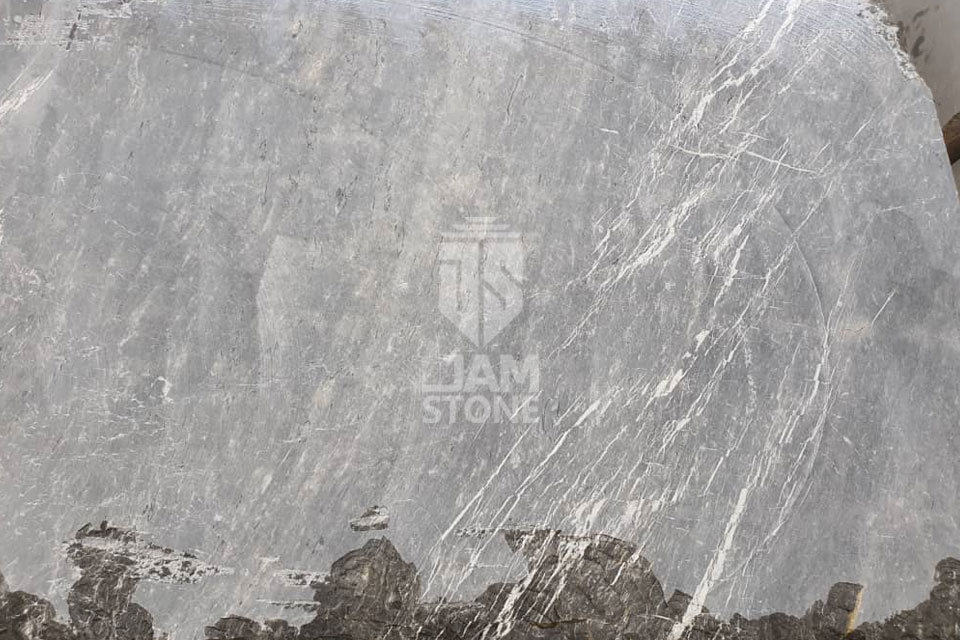
The base color typically ranges from mid-grey to deep grey, crossed by fine white streaks rather than thick, bold veins. The pattern often runs in a linear or gently diagonal direction, which helps create a calm, ordered look. Slab-to-slab variation is normal, so selection by batch and layout planning are important.
Without grade-specific tests, dense marbles commonly fall near 2,700–2,860 kg/m³ in bulk density, with water absorption often about 0.1–0.4%. Open porosity, meaning connected pores, is usually under 1%, so voids are micro-scale rather than visible pits. Sealing is still advised to slow staining in wet or food areas.
Marble is mainly calcite-based, so Mohs hardness is about 3, which means sand and grit can scratch polished faces. In general marble data, compressive strength is often about 90–160 MPa and flexural strength often about 7–20 MPa. These ranges are guidance only; thin panels and long spans should be designed using batch test results.
Common natural features include hairline fissures, mineral seams, and occasional darker inclusions that look like small clouds or threads. Some blocks may show tight seam lines that are acceptable within a defined visual grade. For buying, set limits for filled areas, fissure visibility, and allowable repair size, then match shipments to the approved sample range.
This grade is chosen for a quiet grey field with fine white streaks that stay readable in both large panels and standard tile layouts. It generally performs best indoors, where it is protected from harsh weather cycles. The finish changes both the look and the in-service behavior: polished faces increase contrast and reflection, while honed finishes reduce glare and can improve grip in wet zones. Because marble is carbonate-based, it can dull or etch when weak acids touch the surface, so sealing and correct cleaning habits are part of long-term care.
The appeal comes from a controlled grey background and thin white streaks that look crisp after polishing. A polished finish usually increases gloss and deepens contrast, while a honed finish softens reflection and can hide small wear marks better. Brushed or leathered textures may be possible, but availability depends on factory equipment and block stability.
Polished marble feels smooth and cool, which works well for wall cladding and vanity tops. Honed finishes feel softer and less slippery, with a more matte touch. True open pits are not typical for dense marble, but micro-voids and healed seams can exist. Good calibration and edge finishing reduce chipping during installation and cleaning.
For stable appearance over time, this marble is best treated as an interior stone. Outdoors, UV is usually not the main risk for grey marble, but water and freeze–thaw cycles can stress edges and joints. Like most marbles, it is sensitive to acidic rain and de-icing chemicals. Exterior use should be conditional, with careful detailing and testing.
With high CaCO₃ content, marble can react with weak acids such as lemon, vinegar, or wine, leaving dull etch marks, especially on polished finishes. Impregnating sealers help by slowing liquid entry, but they do not stop etching. Use pH-neutral cleaners, remove spills fast, and set sealing schedules based on traffic and exposure.
Sizes depend on block yield and the factory program, so exact dimensions should be confirmed before ordering. In many marble lines, slabs are realistically supplied in 20 mm and 30 mm thickness, while tiles are often calibrated in the 10–20 mm range depending on format and use. Cut-to-size pieces are common for stairs, wall panels, and countertops, but they require control of streak direction and shade range. Mosaics are feasible when the stone is stable in small cuts. Outdoor pavers are possible, but for marble they should be treated as a conditional option.
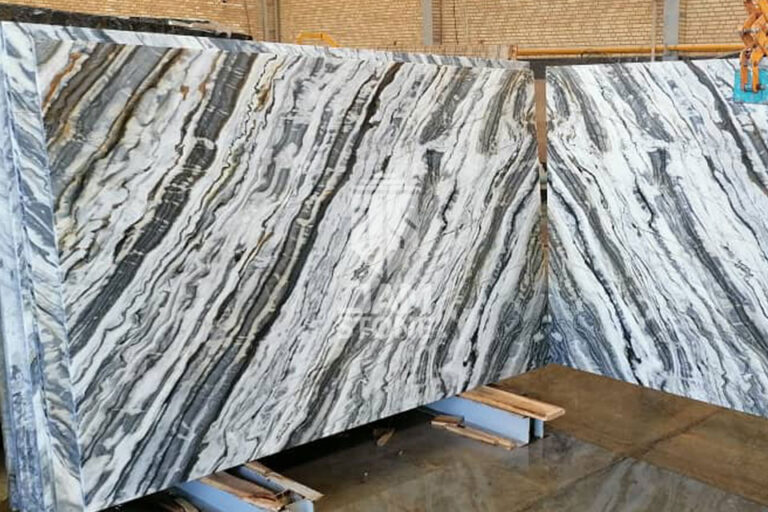
Slabs are usually cut from blocks and then calibrated and finished to match the chosen surface. For many marbles, 20 mm and 30 mm thickness are realistic, while maximum slab size is limited by block dimensions and soundness. For feature walls, larger slabs reduce joint lines and help keep streak direction continuous across the visible area.
Tiles are cut from slabs and supplied in calibrated thickness for clean installation. Common modular formats are feasible for grey marble, but availability depends on current slab sizes and the cutting plan. For wet areas, honed tiles are often preferred to reduce glare and improve grip. Confirm tolerances, edge style, and packaging to limit breakage.
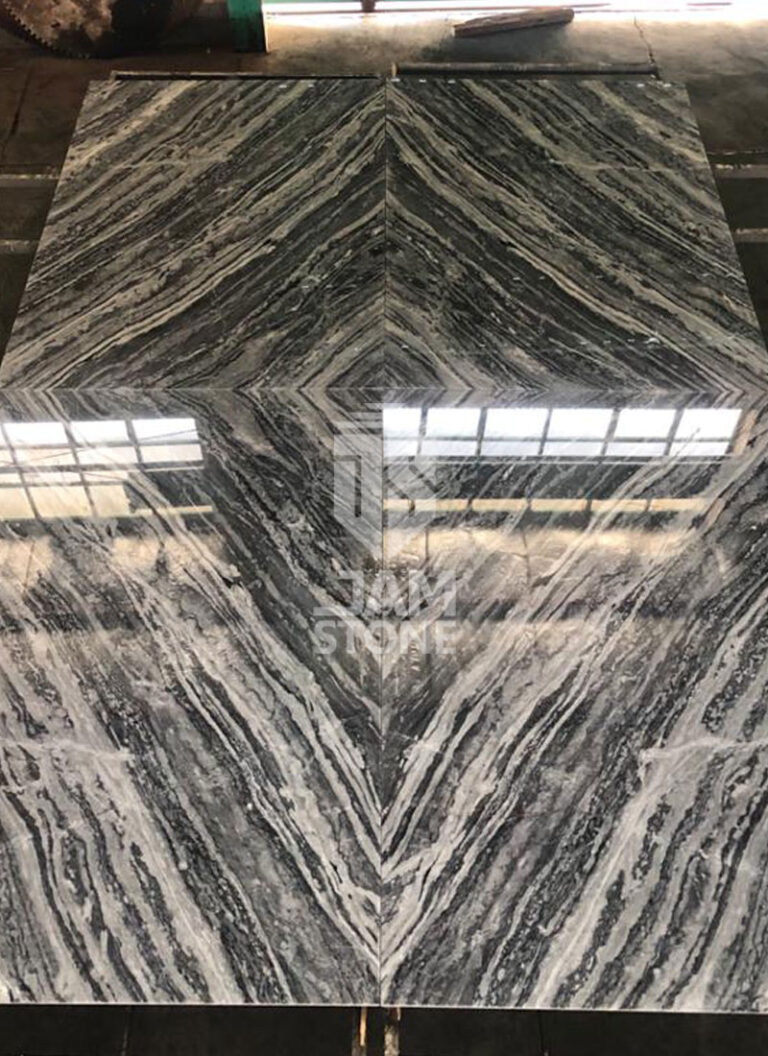
Cut-to-size items include vanity tops, stair treads, thresholds, cladding panels, and custom floor patterns. Define the acceptable shade range and streak density first, then produce from one batch to keep continuity. Plan edge profiles, sink cut-outs, and book-matched panels early so direction always stays fully consistent through cutting and finishing.
Mosaics are possible when the stone holds well in small pieces and the linear streaks support the pattern. Waterjet or CNC cutting enables precise shapes, and sheets are often mesh-backed for easier installation. Because mosaics increase grout lines, stain control becomes more important. Specify sealing, grout type, and sheet flatness for an even surface.
Marble pavers are possible but are not the lowest-risk choice for exterior hardscape. If specified, use thicker sections, textured finishes, and a well-drained base to limit water at joints. Freeze–thaw cycles and de-icing salts increase the chance of edge damage and surface change. Treat exterior paving as conditional and request tests for the batch.
Skirting pieces are often cut from the same slab or tile batch so the grey tone and streak direction stay coordinated. Standard heights and thicknesses are realistic, and a small eased edge helps reduce corner chipping. For neat results, align skirting joints with floor joints where possible and confirm calibration so the top line stays straight.
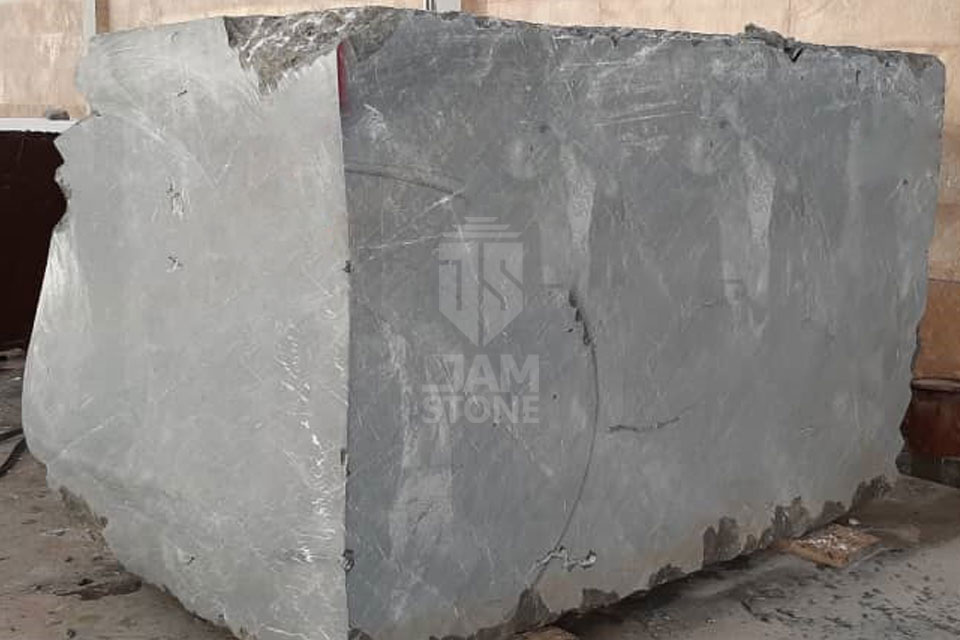
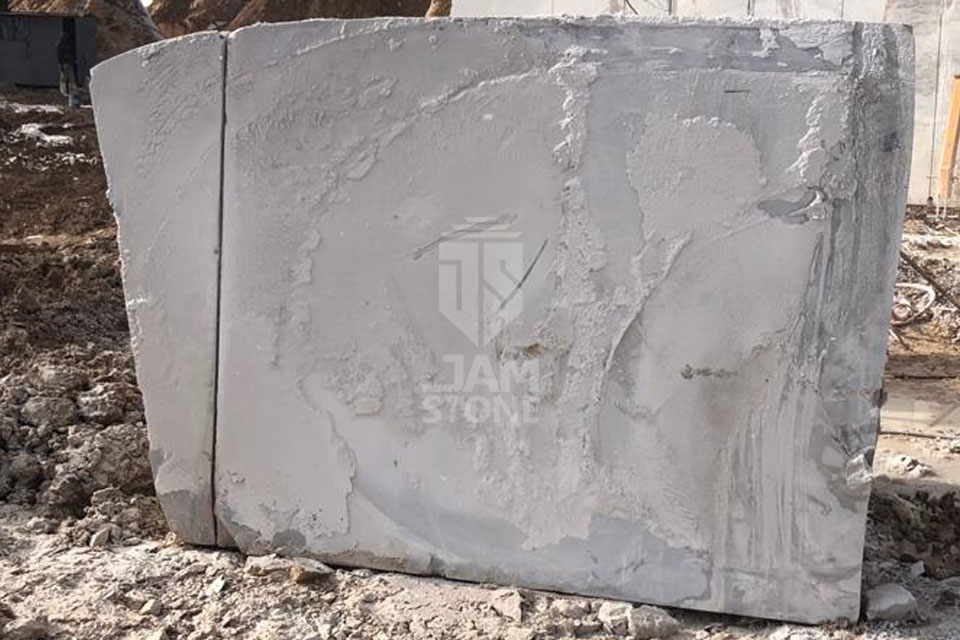
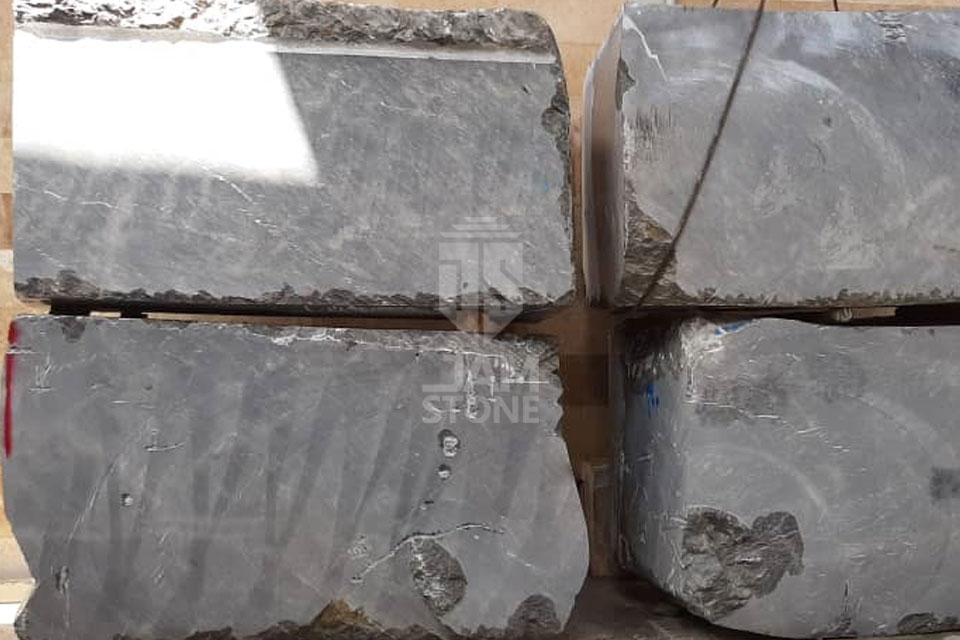
Quarry blocks are supplied for buyers who want custom processing or large programs. Block size and integrity control the maximum slab dimensions and the usable yield after cutting. For consistent projects, reserving blocks from one production batch reduces shifts in background grey tone and streak intensity. Block checks should focus on cracks, seams, and overall soundness.
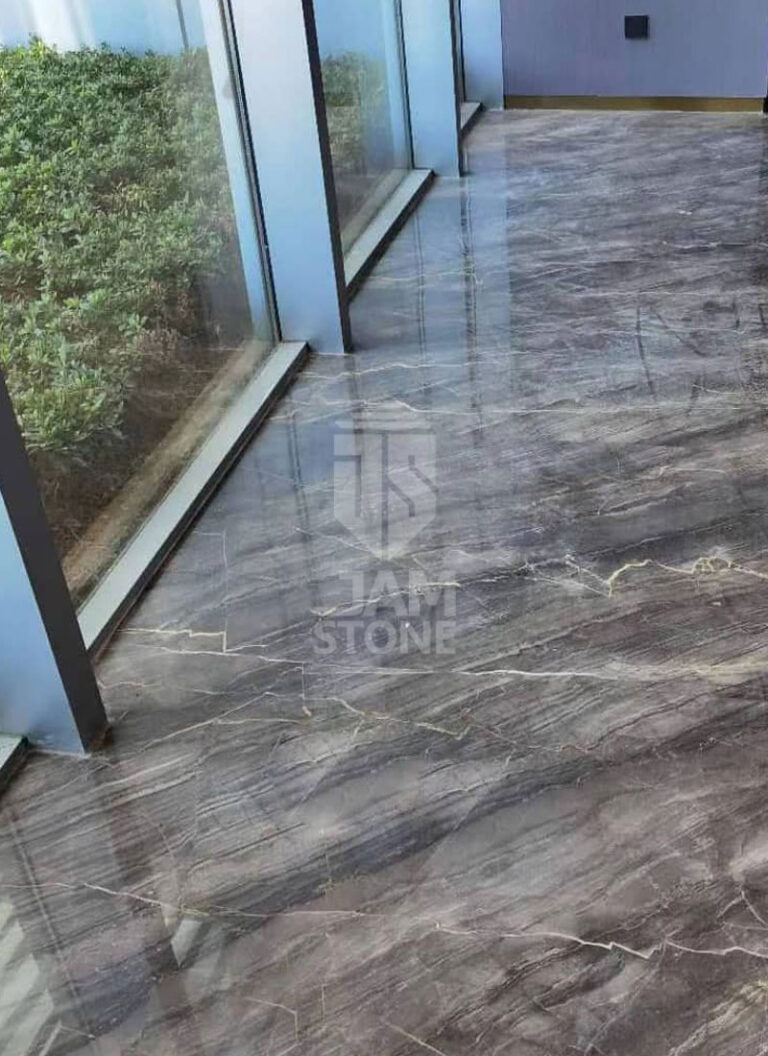
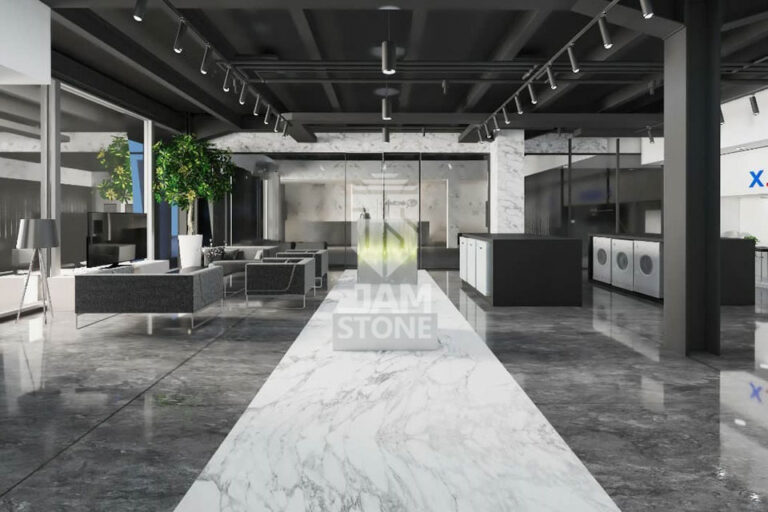
Persian De Savoie Venato Gray Marble is best suited to interior architecture where a calm grey surface with light streaks can carry large areas without feeling busy. Common uses include wall cladding, lobby panels, residential and office flooring, bathroom walls, vanity tops, and decorative features. Countertops are possible, but they require sealing and sensible cleaning because marble can etch from weak acids. For wet floors, a honed or lightly textured finish is usually more practical than a high polish. Outdoor paving or exposed façades are generally conditional choices and should rely on verified tests, good drainage, and climate-aware detailing.
The cost of Persian De Savoie Venato Gray Marble is shaped more by consistency and processing demands than by the name alone. Buyers typically pay for the level of visual control in the grey background, the regularity of white streaks, and how well the batch matches the approved sample. Technical requirements also matter, including thickness tolerances, surface flatness, edge accuracy, and the finish uniformity across large quantities. Project logistics can also influence the final figure, especially when special crating, strict delivery windows, or long shipping routes are involved.
Higher grades usually show a steadier grey tone, clearer white streak definition, and fewer distracting inclusions or repaired areas in the main viewing zone. Because this is a vein-led aesthetic, variation control is a major grading factor. Defining an acceptable shade range and vein density through samples and production photos helps keep the delivered material aligned with the design intent.
Block geometry drives how many usable slabs can be produced and what the maximum slab sizes can be. Larger, sound blocks generally reduce waste and support longer panels with fewer joints, which is valuable when streak direction must stay continuous. Smaller or fractured blocks can limit big slabs, increase offcuts, and reduce matching options for book-matched or continuous wall programs.
Processing affects calibration, thickness accuracy, surface flatness, and edge integrity, all of which influence installation speed and the final visual result. Better processing reduces lippage risk on floors and improves seam alignment in wall cladding and countertops. If resin filling or reinforcement is used, the quality and consistency of repairs also matter, especially for polished slabs where repairs can become visible.
Polished finishes often require tighter surface control and can highlight natural streaks more strongly, but they also show scratches and etching more easily in daily use. Honed finishes reduce glare and can better hide minor wear, making them practical for bathrooms and floors. Brushed or leathered textures may add grip and mask marks, but not every batch or factory program supports them consistently.
Thicker material generally increases raw-stone use and processing time, and it also changes handling and shipping requirements. Large-format panels can reduce joint lines, but they raise breakage risk and require stronger crating and careful site lifting plans. For stairs, countertops, and wall panels, thickness selection should match span, anchoring method, and the service demands of the area to avoid unnecessary cost or performance risk.
Availability depends on quarry output, block selection, and factory scheduling, so timing can affect procurement outcomes for large projects. Export packing design, container loading method, and route planning influence damage risk and logistics complexity. Longer routes and tighter delivery windows can increase handling steps, which makes packing quality more important. For batch-sensitive work, reserving material early helps maintain consistency and reduce substitution risk.
Persian De Savoie Venato Gray Marble typically starts as extracted blocks from Iranian marble deposits, where careful bench selection helps control the background grey tone and the clarity of white streaks. After extraction, blocks are inspected for cracks, seams, and structural soundness, then transported to a processing plant. The cutting stage often includes primary sawing into slabs, followed by trimming and calibration to reach consistent thickness. If the stone shows hairline fissures, reinforcement steps such as resin filling or mesh backing may be applied to improve handling stability in later stages.
After cutting and any reinforcement, the slabs or tiles move to finishing lines, where they are polished, honed, or textured to meet the project’s surface requirement. Quality control typically checks thickness tolerance, surface flatness, edge squareness, and finish consistency, because small deviations become obvious in large installations. Pieces are then sorted by shade and pattern so the shipment matches the approved range. For export, the material is packed with face protection, separators, and strong crates designed for container loading. Clear labeling and batch documentation support site planning and reduce mix-ups during installation.
For installation, use a stone-appropriate adhesive system matched to the substrate and service conditions. In many interior projects, a high-quality cement-based thinset is used, and white adhesive is often preferred for light-to-grey marbles to reduce the risk of shadowing. Keep grout joints realistic for the product calibration and site flatness; many tile programs perform better with moderate joints rather than ultra-tight lines that amplify lippage. After installation, apply an impregnating sealer to reduce staining time, especially in bathrooms and kitchens, and re-seal on a schedule based on use intensity.
Common problems come from chemistry and grit rather than from the stone itself. Marble can dull or etch when exposed to acidic liquids and harsh cleaners, so use pH-neutral products and wipe spills quickly, especially lemon, vinegar, wine, and some bathroom sprays. Another frequent issue is scratching from sand and dust; entrance mats and routine sweeping reduce this risk. Avoid abrasive pads and avoid leaving dirty wash water on the surface. If the finish starts to look tired, a professional re-hone or re-polish can restore appearance without replacing the stone.
JAM Stone Co. manages Persian De Savoie Venato Gray Marble through a controlled chain that links quarry sourcing, factory processing, and export preparation. The company maintains long-term partnerships with reputable mine owners across Iran’s major stone regions, which helps secure steady block access for scheduled projects. In production, modern lines such as waterjet cutting, calibrated sizing, and precision polishing are used to keep dimensions and finish consistent. In-house quality labs check grading, thickness, and surface condition so batch consistency is maintained. As a supplier of Persian De Savoie Venato Gray Marble, this end-to-end control reduces variation risk.
For international procurement, JAM Stone Co. supports buyers with defined inspections and documentation at each stage. Material is visually graded, then checked for surface flatness, calibrated thickness, and edge integrity before packing. The company states that it holds ISO 9001 and ISO 14001 management certifications, and it can align product documentation with requirements used in many projects, including CE-related needs where applicable. As an exporter of Persian De Savoie Venato Gray Marble, it offers flexible MOQs for sample orders, small refurbishments, and larger developments, plus client-specific cutting and finishing requests, secure crating, and multi-route shipping options.
Persian De Savoie Venato Gray Marble is sourced from Iranian marble deposits within established stone-producing regions, where carbonate formations can deliver consistent grey backgrounds with fine white streaking. JAM Stone Co. secures raw material through direct access arrangements with partner quarries, allowing blocks to be reserved from the same premium bed for projects that require continuity. These strategic reserves support uninterrupted supply when lead times are tight. Where practical, extraction partners follow controlled bench planning to limit waste, while processing facilities emphasize water recirculation and material sorting. As a provider of Persian De Savoie Venato Gray Marble, the aim is reliable provenance and steady output.
To protect this grey marble during handling and sea freight, JAM Stone Co. uses multi-layer packing matched to the product form. Polished faces are separated with foam sheets and protective film, then secured with corner guards to reduce edge chipping. Slabs are typically packed in strong wooden bundles or A-frames, while tiles and cut pieces can be palletized in bulk or crated individually for fragile destinations. Loads are planned to optimize container space and minimize movement in transit. Labels commonly include product code, batch number, finish, thickness, and piece count to support warehouse control and site allocation.
distinguished by its gray hue complemented by elegant white streaks, exudes a unique charm and aesthetic appeal.

Persian De Savoie Venato Gray Marble is highly sought after by buyers from Persian Gulf countries and European countries. These regions are prominent markets for premium quality natural stone products, and Persian De Savoie Venato Gray Marble’s aesthetic appeal, durability, and versatility make it particularly well-suited for their architectural and interior design projects.