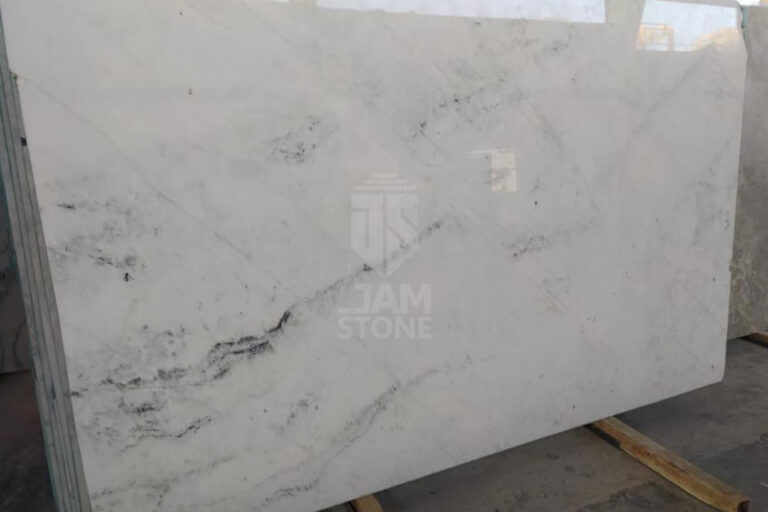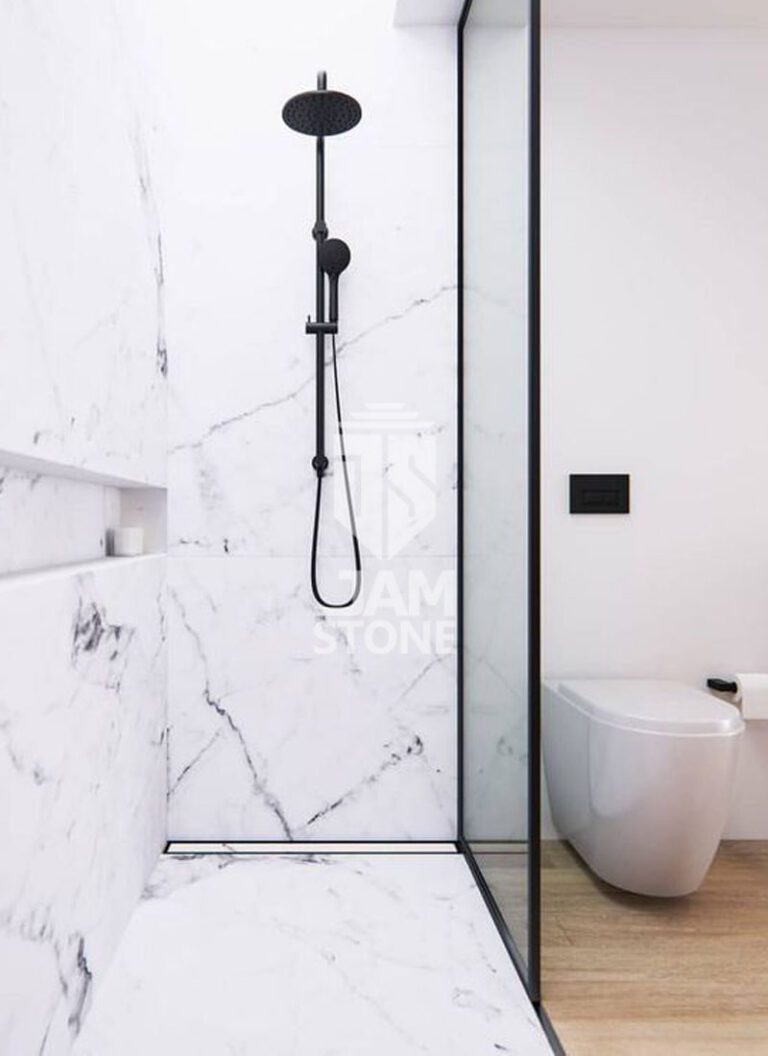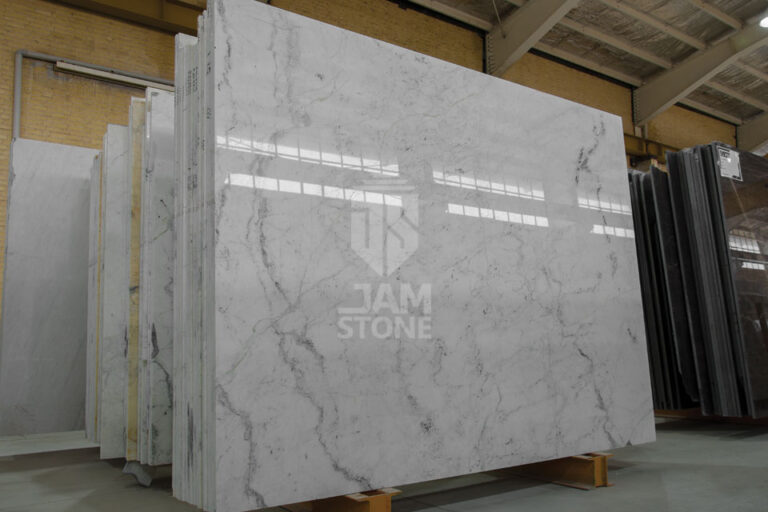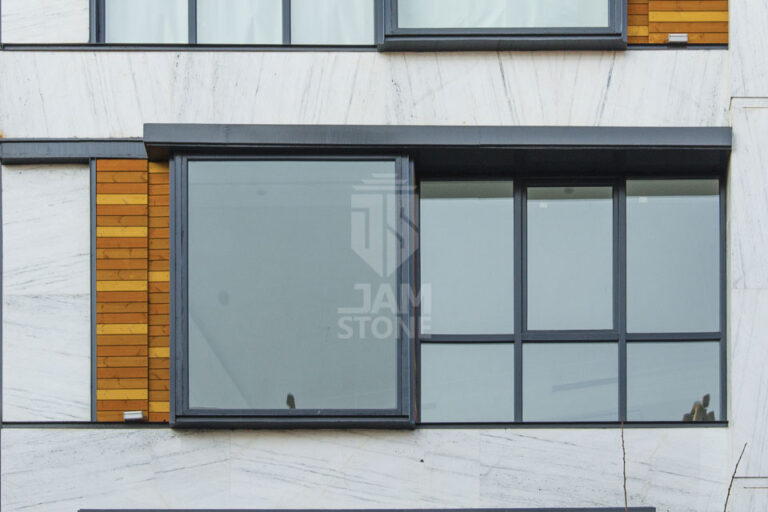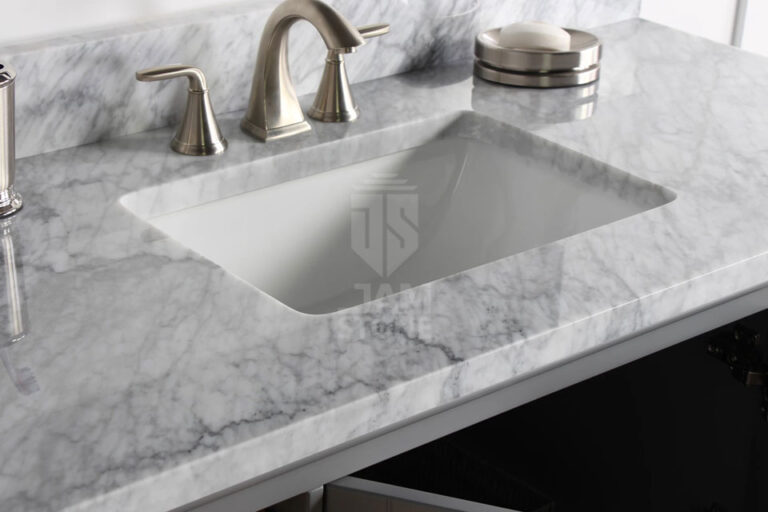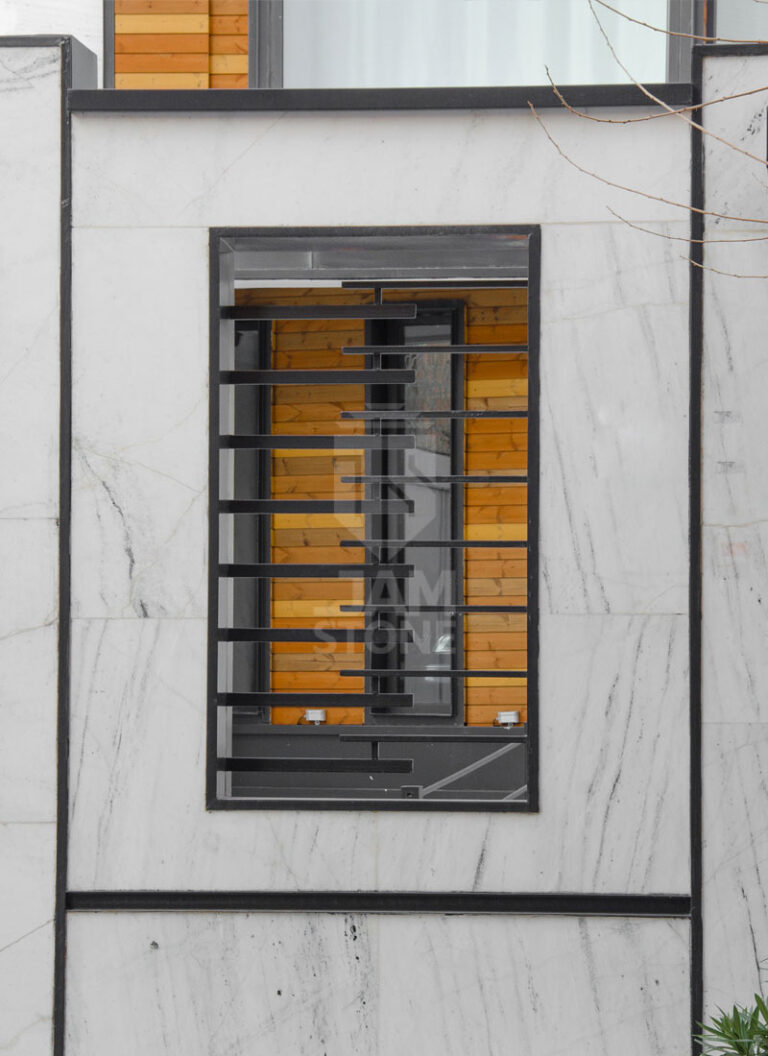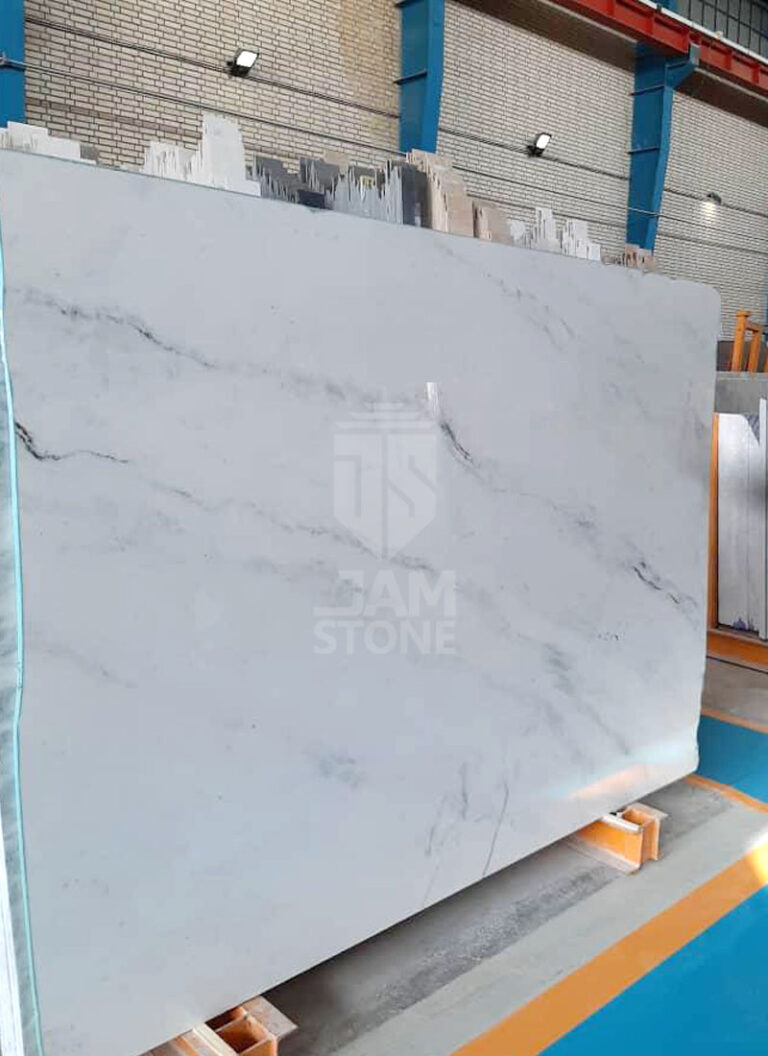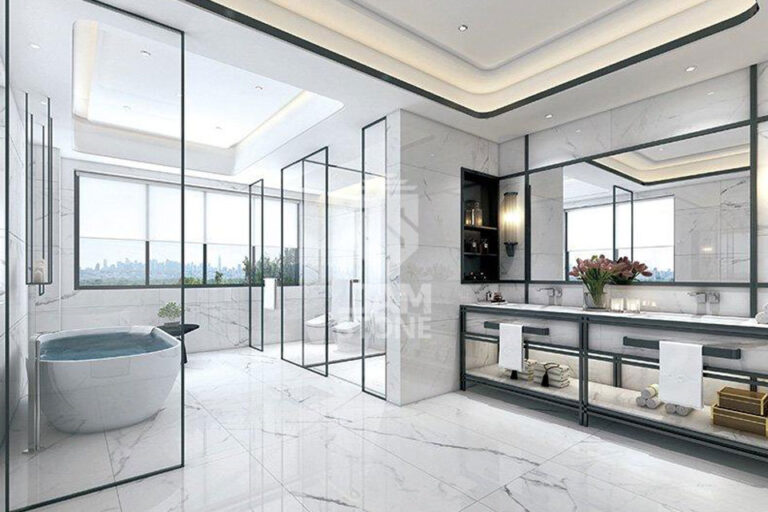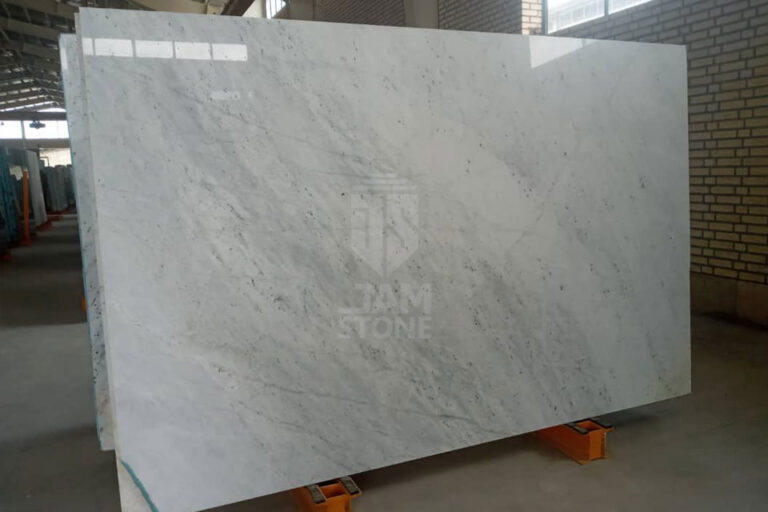

Persian De Savoie White Crystal Marble presents a cool white to light-grey field with soft, smoky veining that reads calm at a distance and refined up close. The crystalline, or “sugar-grain,” texture takes a vivid polish and also finishes well honed or brushed. Designers use it for galleries, lobbies, bathrooms, and stair halls where a clean, architectural look is wanted. Panels can be book-matched for subtle symmetry, while floors remain quiet and easy to pair with wood or metal. If you need a neutral surface that still looks special under light, this grade earns a place on your shortlist.
For dependable supply and consistent batches, many projects rely on disciplined processing from quarry to crate. JAM Stone Co. handles block selection, resin/mesh reinforcement, calibrated thickness, and final surface control under multi-stage checks. As a seasoned supplier of Persian De Savoie White Crystal Marble, the company aligns production with international standards, prepares clear documentation, and packs to limit movement and moisture. Coordinated logistics and after-sales support help large and small jobs stay on schedule, with tone and vein matching across crates for a coherent visual result.
This stone is a crystalline, calcitic marble from Iran with a white to cool light-grey base and gentle graphite-grey movement. The fine-to-medium saccharoidal texture reflects light cleanly, so polished faces feel bright without harsh glare. Honed and brushed finishes lower reflection while keeping the grain visible. Slabs show sound structure after resin and back-mesh treatment, and thickness is typically controlled in 20 mm or 30 mm. Because the pattern is quiet and the tone neutral, it pairs easily with warm woods, dark metals, or concrete, making it useful in both classic and contemporary interiors.
This crystalline marble is dense, low-absorption, and easy to machine. Standard production includes vacuum resin to tighten micro-pores and fiberglass mesh for added safety during handling. With controlled curing and calibration, slabs hold flatness and edge quality well. As a calcite-based stone (Mohs ~3), it accepts a high polish yet also performs reliably in honed or textured finishes when slip control is needed, especially on interior floors and stairs. For exterior use, select a textured finish, confirm anchoring design, and consider local freeze–thaw conditions to preserve long-term performance and appearance.
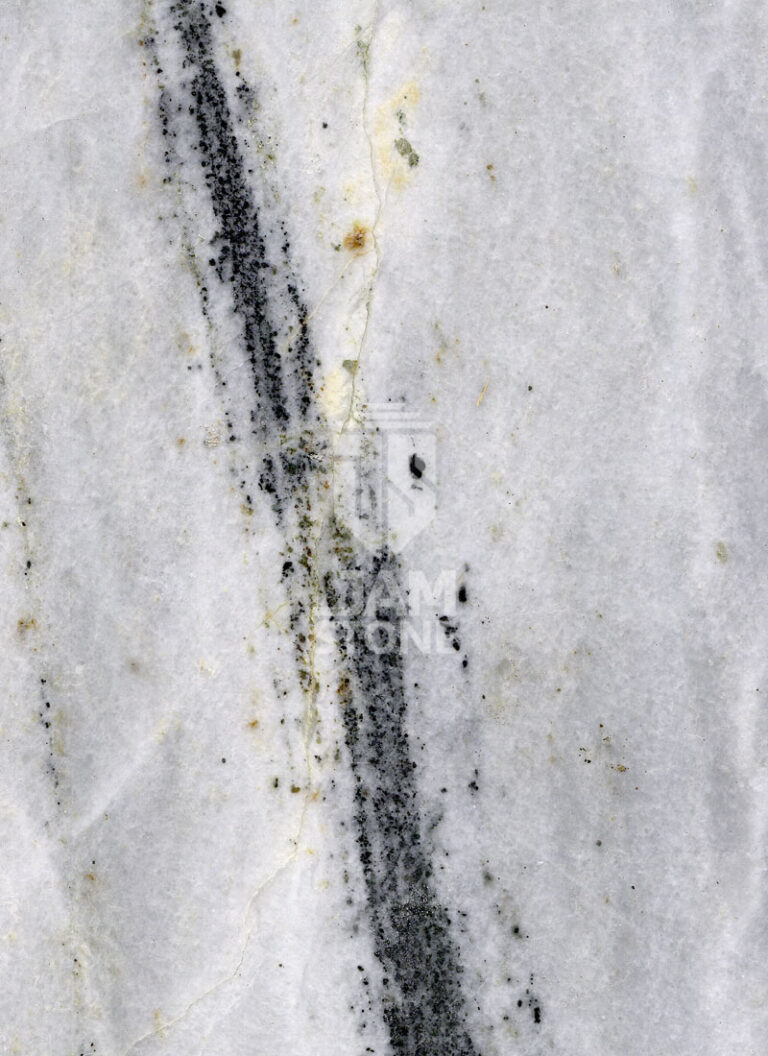
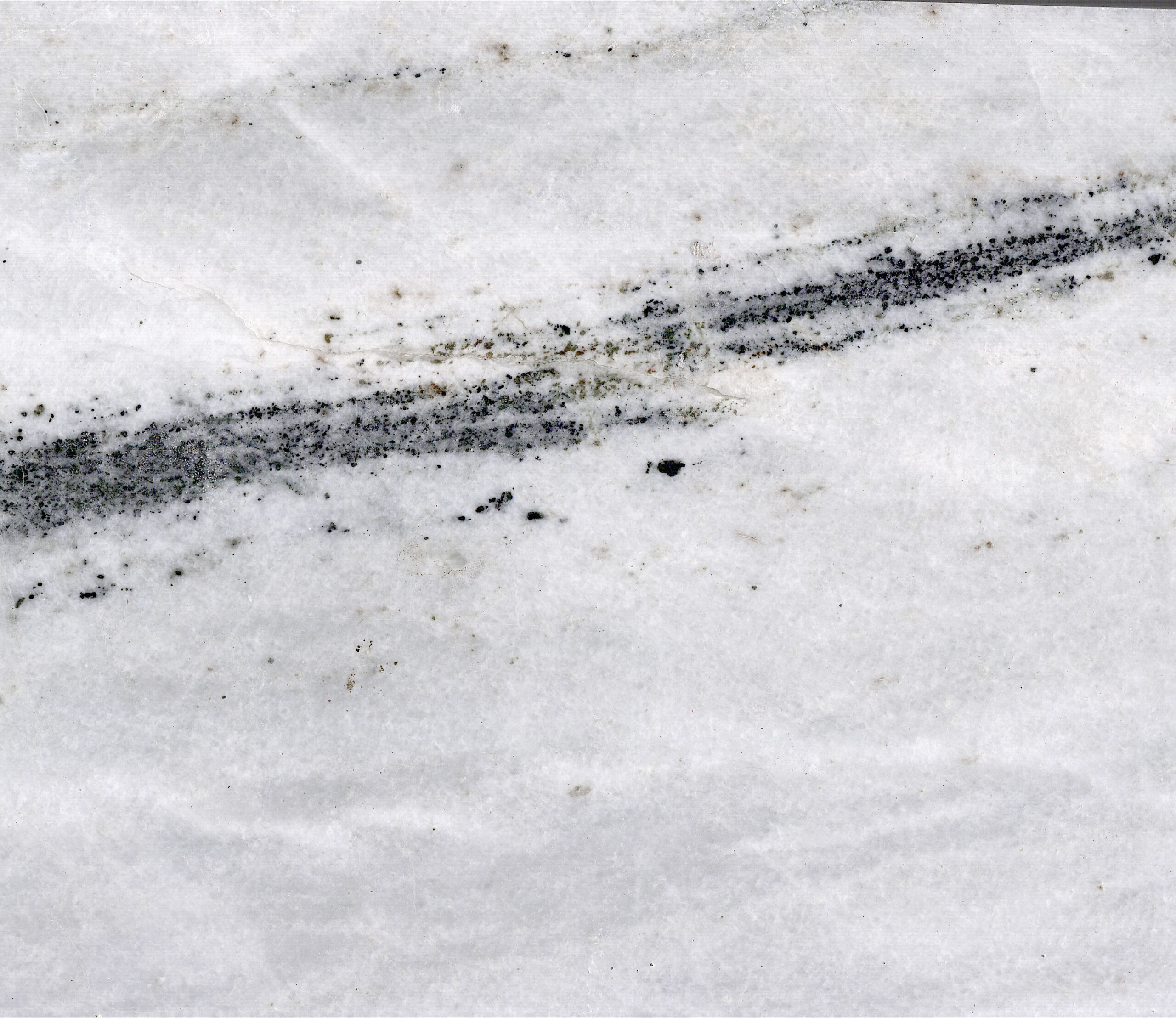
The stone is mainly calcite with minor dolomite and trace minerals that form faint, smoky strands. Its fine-to-medium “sugar-grain” fabric scatters light, creating a quiet sparkle under bright lamps. Resin treatment reduces micro-pores and stabilizes hairline features, supporting uniform gloss and edge integrity during fabrication and installation.
A compact matrix delivers low open-pore volume and low water uptake. After vacuum resin and proper curing, pinholes are minimized, which supports stable polishing and clean grout lines. Low absorption helps the surface resist random staining, yet sealing remains necessary in kitchens, baths, and high-traffic areas to maintain protection over time. You can also make yoursel familiar with indicative ranges for dense crystalline marble:
Bulk density: ~2,650–2,750 kg/m³;
Open porosity ~0.3–1.0%;
Water absorption by weight typically ~0.1–0.3% (project testing recommended).
With Mohs hardness near 3, the stone cuts, profiles, and polishes smoothly. Moreover, Typical marble-class strengths are as follows: compressive ~70–120 MPa and flexural ~10–18 MPa (indicative; verify on project lots). Consistent thickness improves load distribution, while balanced finishes maintain surface integrity under foot traffic in commercial lobbies and residential hallways.
Calibration keeps thickness within tight tolerances, aiding clean joins and reliable adhesive coverage. Controlled curing reduces internal stresses, helping panels remain flat after transport. Proper profiling and a small chamfer limit edge chipping during handling and daily use, supporting neat shadow lines and long-term alignment across adjacent pieces.
Expect occasional hairline calcite veins and very faint stylolites that read as soft, natural lines. Selection grades manage tone uniformity and permissible micro-fissures, allowing designers to choose calmer or more active lots. For feature walls, book-match potential is strong; for floors, choose bundles with low contrast to keep the field quiet.
In use, the stone looks calm and balanced. Polished faces offer crisp reflectivity that lifts light levels, while honed surfaces give a silk-matte tone suited to busy floors. Brushed or antiqued textures reveal the grain and improve traction. As a calcite marble, it reacts to acids, so pH-neutral cleaning and sealing are advised. Under indoor light, color stability is reliable. Outdoors, textured finishes weather more evenly. In freeze–thaw regions, correct detailing—drainage, movement joints, and anchoring—helps preserve both performance and appearance across seasons in cladding and horizontal work.
The base reads white to cool light-grey with gentle, smoky movement and slight translucency at grain boundaries. Polished surfaces reflect light cleanly; honed tones are muted and even. Brushed textures bring out a fine sparkle without glare, making the stone easy to combine with wood, bronze, or black fixtures in calm interiors.
Surface choices drive traction. Honed or lightly textured finishes suit lobby floors and baths, while stronger textures—sandblasted or bush-hammered—suit wet zones and exterior steps. Polished floors are best placed in low-risk areas. Resin treatment controls micro-pitting, helping the face stay uniform under foot traffic and routine housekeeping.
Being high in calcium carbonate, the stone can etch when it contacts acids such as lemon juice, vinegar, or wine. Use pH-neutral cleaners and maintain a penetrating sealer on a sensible schedule. Wipe spills quickly, avoid harsh chemicals, and use cutting boards and trivets to keep the surface looking even and clean.
Indoors, the color remains steady under typical daylight and artificial lighting. Outside, matte or textured finishes weather more gracefully than polish. Respect freeze–thaw risks, detail drip edges, and avoid de-icing salts where possible. With good anchoring and drainage, cladding stays stable and keeps its intended tone and texture over time.
Large, sound blocks support generous slab dimensions and a wide menu of finishes. Slabs are commonly produced in 20 mm and 30 mm thickness, with thicker parts feasible for treads or counters. Tiles cover both modular and large-format needs, and cut-to-size components follow project drawings. Waterjet patterns, vein-matched panels, and corner details are achievable with careful bundle selection and measured calibration at the finishing line to hold consistent joints and visual rhythm.
Typical lengths run about 240–320 cm with widths around 140–200 cm. Standard thicknesses are 20 mm and 30 mm, prepared for polishing, honing, or textured work. Book-matched sets can be assembled for feature walls, helping larger spaces feel balanced while still keeping the surface calm and neutral in tone.
Common modules include 300×600 mm, 600×600 mm, and 600×1200 mm for straight or staggered layouts. Tight calibration supports clean alignment and even grout depth. A small bevel can be added to protect edges during service. Honed tiles are practical for floors; polished tiles work best on walls and low-risk circulation areas.
Stair treads, risers, thresholds, and wall panels can be produced to drawings with reliable tolerances. Thickness control and flatness support neat adhesive coverage and quick setting on site. For vein-matched panels, bundles are mapped before cutting so the final layout preserves flow while hitting the project’s required dimensions exactly.
Small-format sheets, often with 23–48 mm chips, arrive mounted and ready for installation. Honed or brushed textures suit wet rooms and accent zones where extra grip is helpful. The cool tone pairs well with darker joints for graphic contrast or near-tone joints for a continuous, quiet field across walls or niche backs.
In warm climates or covered outdoor areas, pavers in 20–40 mm thickness can be supplied with sandblasted or bush-hammered faces. Edge treatments and drainage detailing are important to keep surfaces dry and flat. For steps and ramps, specify matching textures and nosings to help users move safely in all weather.
Profiles in 80–120 mm heights finish walls cleanly and protect plaster or paint from cleaning equipment. Edges can be honed or polished to match the field. Consistent tone and straightness maintain a crisp line around rooms, linking floors and walls in a way that feels neat rather than visually busy.
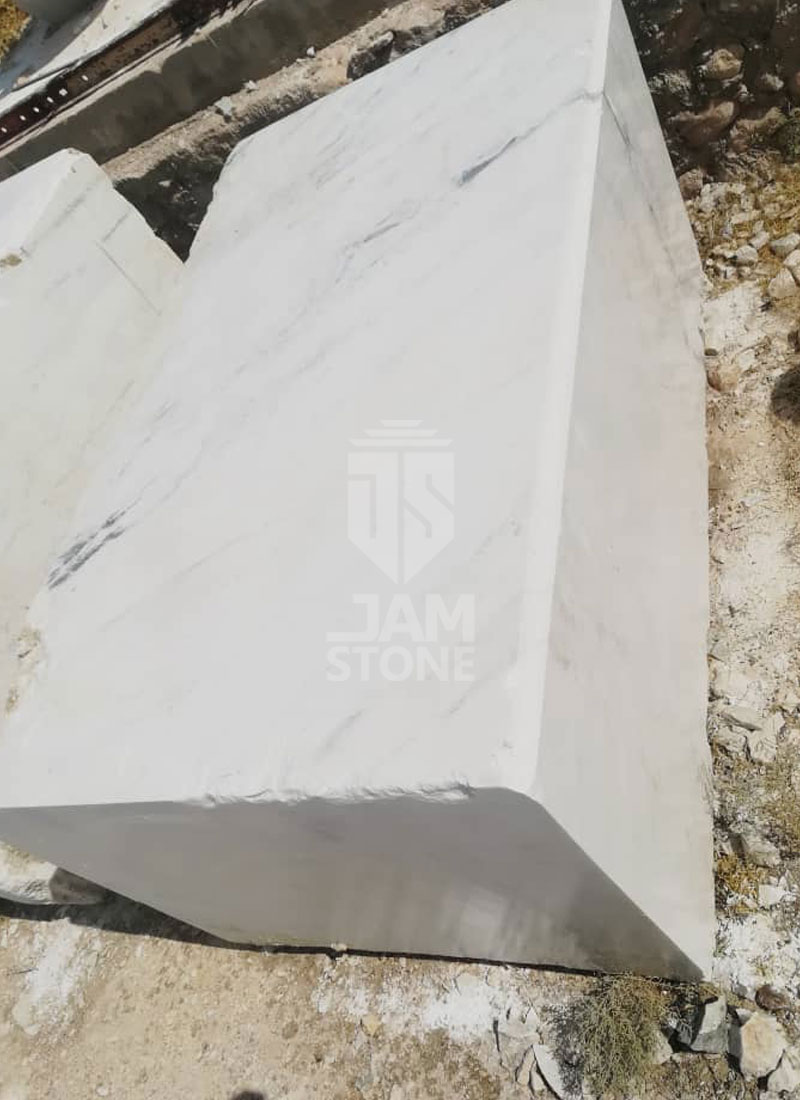
Sound blocks are suitable for gang-saw production and complex cut-to-size work. Selection focuses on tone, vein style, and internal structure to optimize yield. With careful planning, bundles retain similar character across multiple rooms or floors, helping large projects keep a single, coherent look even as layouts vary.
This marble works well where designers want clarity and calm. Interior floors and wall cladding in homes, hotels, and retail spaces benefit from its neutral tone. Honed or brushed finishes suit busy floors, while polished faces elevate reception desks and wall panels. Bathrooms and vanities look crisp yet not cold. Staircases, thresholds, and baseboards can be cut to size for tidy alignment. Exterior use is project-specific: choose textured faces, confirm climate suitability, and detail anchors and drainage correctly. The stone’s quiet pattern lets joinery, lighting, and artwork stand forward without visual competition.
Costs vary with stone grade, dimensions, finish, processing steps, and logistics. Larger, sounder blocks with uniform tone bring stronger yields and therefore better economics. Precision finishing, tight calibration, and book-matched sets add labor and care, which affects price. Transport, crating, and lead times also play roles, especially on international jobs. Instead of fixed numbers, it is best to frame budgets around drawings, finish schedule, and required batch consistency so suppliers can propose matching lots that meet both visual goals and delivery windows without compromising quality or safety.
Pricing tracks tone uniformity, vein elegance, and allowance for natural features. Calmer, well-matched bundles command more. Selection at the block and slab stages reduces surprises later. For visible feature walls, premium grades help achieve steady color and smoother flow, cutting waste during layout and on-site adjustments.
Big, sound blocks yield more usable slab area with fewer interruptions, improving square-meter economics. Better yield reduces cutting waste and shortens time spent matching parts. For large rooms or multi-floor projects, blocks that carry the same character help secure enough equal-looking pieces across the full scope.
Vacuum resin, mesh reinforcement, calibrated thickness, and well-finished faces increase stability and visual consistency. Careful profiling keeps edges neat and reduces chipping on site. While higher processing adds cost, it usually lowers rework, speeds installation, and keeps the final surface cleaner, especially under demanding lighting in public areas.
Polished faces need careful steps to reach even gloss; honed requires tightly controlled abrasion; textured surfaces add specialized tooling. Each finish changes labor and tooling time, which affects unit pricing. Matching finishes across different parts—floors, stairs, and walls—also affects scheduling and factory planning for coherent outcomes.
Thicker or extra-large parts require more material, slower handling, and stronger packing. That influences transport safety and on-site lifting plans. When thin accents or lighter assemblies are possible, careful engineering may reduce weight while keeping performance, but those choices should follow substrate design and local building rules.
Moisture-barrier wrap, corner protection, and crate bracing protect edges and faces in transit. Container space, route choice, and seasonal demand shape freight costs and timelines. Securing enough matched bundles early helps avoid split shipments that can add handling and complexity at the destination or on the jobsite.
Production begins with selective quarrying and block grading. At the factory, blocks are sawn to slabs, which then undergo vacuum resin treatment and curing to tighten micro-pores. Fragile areas receive fiberglass mesh on the back. Calibrating and finishing—polished, honed, or textured—follow measured steps to hold flatness, gloss, and slip goals. Dimensional checks confirm thickness, squareness, and surface quality. Bundles are arranged for tone and vein coherence, labeled with all key details, and wrapped with foam layers, moisture barriers, and corner guards. ISPM-15 wooden crates, bracing, and desiccants prepare the load for secure, traceable export.
Plan for marble-safe adhesives, correct substrates, and movement joints according to area size. After installation, apply a penetrating sealer; renew it in wet or heavy-use spaces on a sensible cycle. Clean with pH-neutral agents only and wipe spills promptly, especially acidic liquids. Use mats, felt pads, and soft wheels to limit abrasion. In high-traffic floors, honed or textured surfaces help manage slip risk. Over years, localized re-honing or full repolishing can refresh worn zones. Good detailing outdoors—drip edges, drainage, and non-reactive fixings—preserves both the look and the structure in changing weather.
Use white marble-safe adhesives to avoid staining and to support even coverage. Ensure the base is flat, stable, and clean. For large panels, back-buttering helps bond strength. Movement joints should match standards for the space, protecting the field from stress that can otherwise cause hairline cracks or edge damage.
Apply a quality penetrating sealer after install and renew it based on use—often every 6–12 months for wet rooms and busy floors. Sealers help resist staining and make cleaning easier, but they do not stop etching from acids. Test in a small, hidden area first to confirm the desired finish and absorption behavior.
Choose pH-neutral cleaners and soft tools like microfiber mops. Avoid vinegar, lemon, or bleach, which can etch or dull the face. Wipe spills fast, especially wine, coffee, or citrus. For stubborn marks, use marble-approved poultices. Regular, gentle care keeps the surface even and protects joints and edges from premature wear.
Place mats at entries and felt pads under furniture to limit grit and scratching. Where traffic has softened the finish, a professional re-hone and repolish can restore clarity. On textured faces, cleaning with soft brushes maintains grip without flattening peaks. Good maintenance planning extends service life and preserves design intent.
JAM Stone Co. manages integrated steps from block selection to calibrated finishing, with routine lab checks for thickness, flatness, and gloss or texture targets. Detailed bundle mapping supports book-matched walls and steady floor fields. Packing lists and quality records travel with each order for easy site control. As an established exporter of Persian De Savoie White Crystal Marble, the company prepares documentation for international shipments and supports schedules with clear communication. This approach allows architects and contractors to specify the stone with confidence for both boutique interiors and larger commercial programs.
Projects benefit from multi-stage inspections that verify tone matching, surface quality, and edge integrity before crating. The team plans production windows to align with site dates, and can handle samples, mock-ups, and replacement pieces from the same batch for visual continuity. As a practical provider of Persian De Savoie White Crystal Marble, JAM Stone Co. balances technical control with flexible lot selection, enabling designers to secure the calm look they want while meeting installation needs in flooring, wall cladding, stairs, and detailed cut-to-size elements across complex spaces.
Supply comes from Iran’s central crystalline marble regions known for sound, white crystal stones with cool grey movement. Long-term arrangements allow steady access to blocks with the tone and pattern this product requires. On-site inspection teams assess structure, vein style, and yield before purchase. That upstream focus helps the factory plan cuts, map book-matched panels, and build coherent bundles. With controlled extraction and measured block handling, the downstream steps (resin treatment, mesh, calibration, and finishing) proceed predictably, reducing variation and keeping results aligned with the visual standard selected at the sample stage.
Finished pieces receive foam interlayers, corner protection, and moisture-barrier films before being placed in ISPM-15 wooden crates. Labels show bundle and batch IDs, thickness, finish, and QC sign-off to aid fast checks on site. Inside the container, cross-bracing and desiccants limit movement and humidity. Photo reports document crate contents and condition prior to departure, giving teams a clear record for receiving and storage. This disciplined packing approach protects edges and faces, supports accurate counts, and helps jobs move from delivery to installation with fewer surprises and less time lost to on-site sorting.
stands as one of Iran’s oldest and most esteemed stones, characterized by its pristine white backdrop adorned with intricate black lines. Historically renowned as a prevalent building material in Iran, this marble variety owes its enduring popularity to its crystalline composition, which enables exceptional polishability.
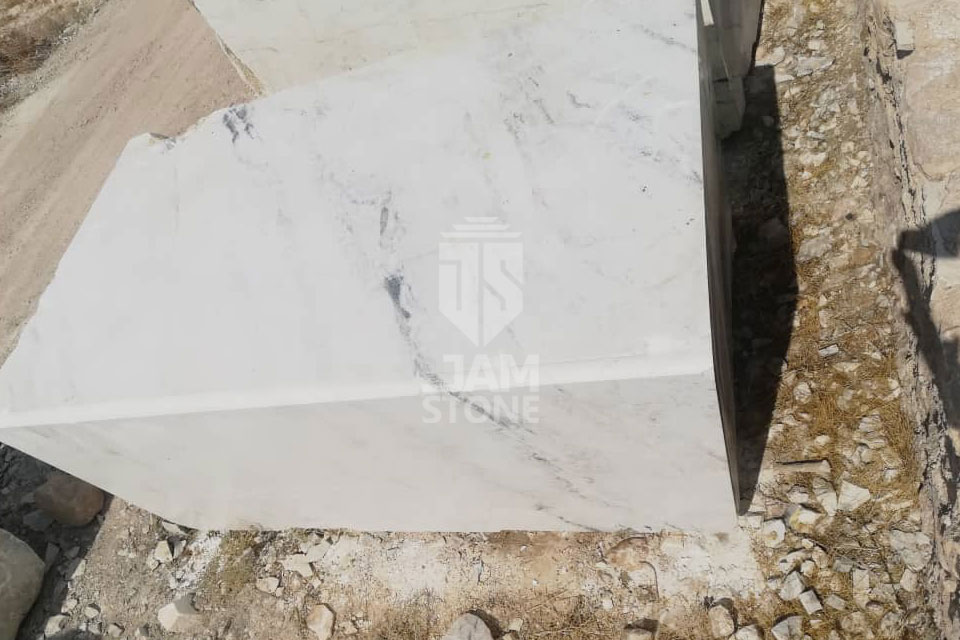
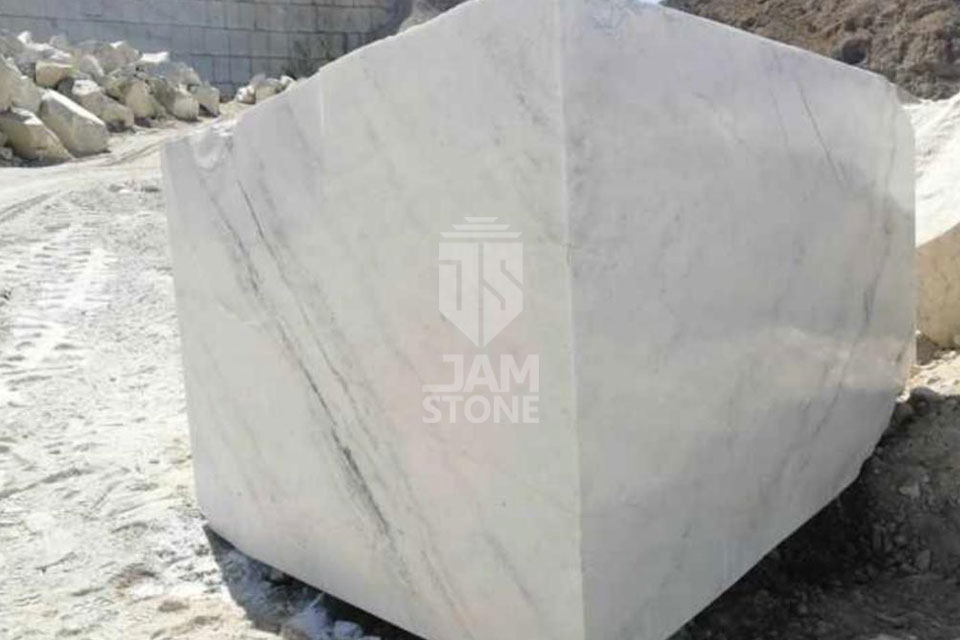
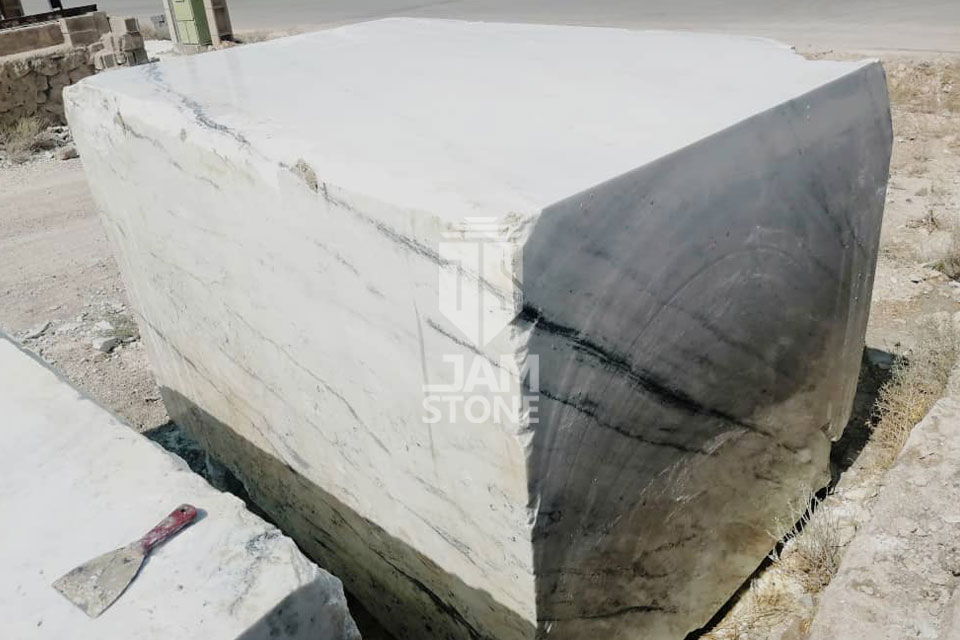
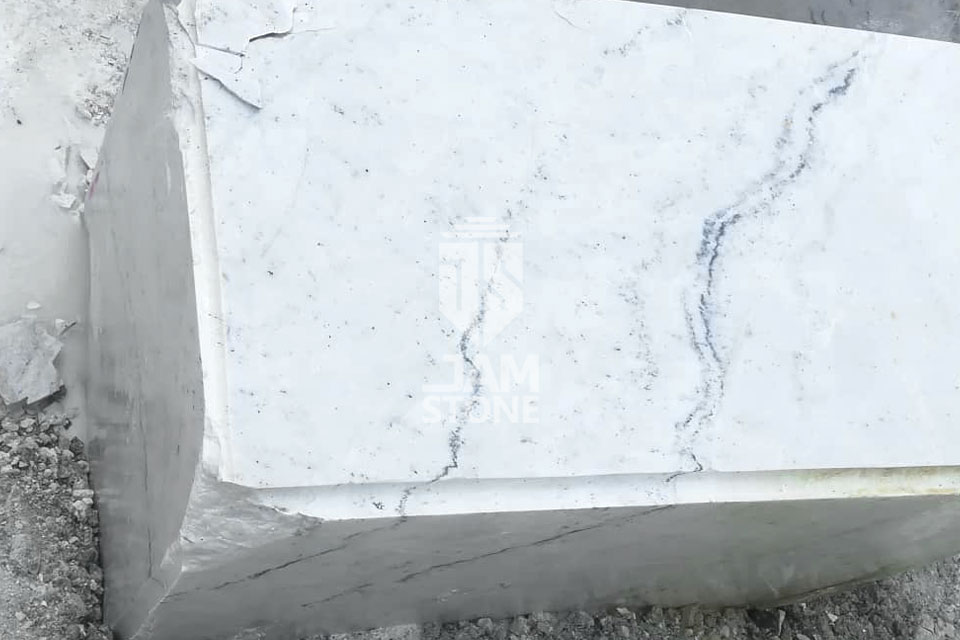
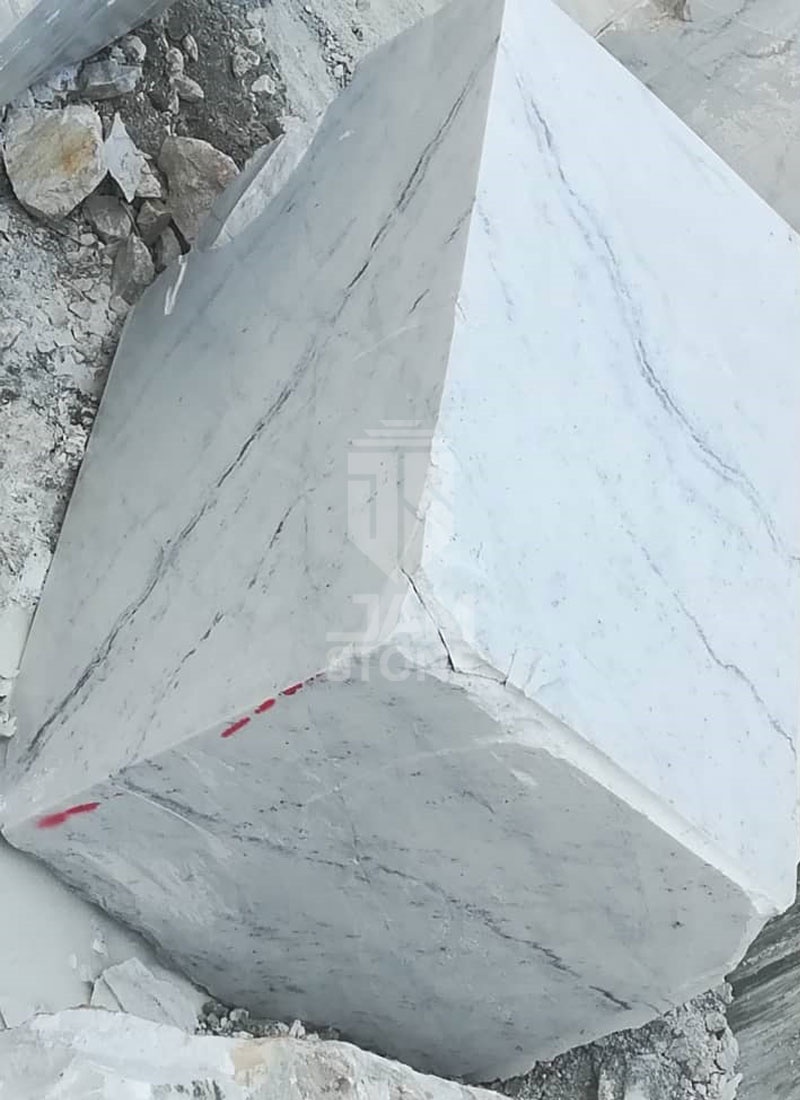
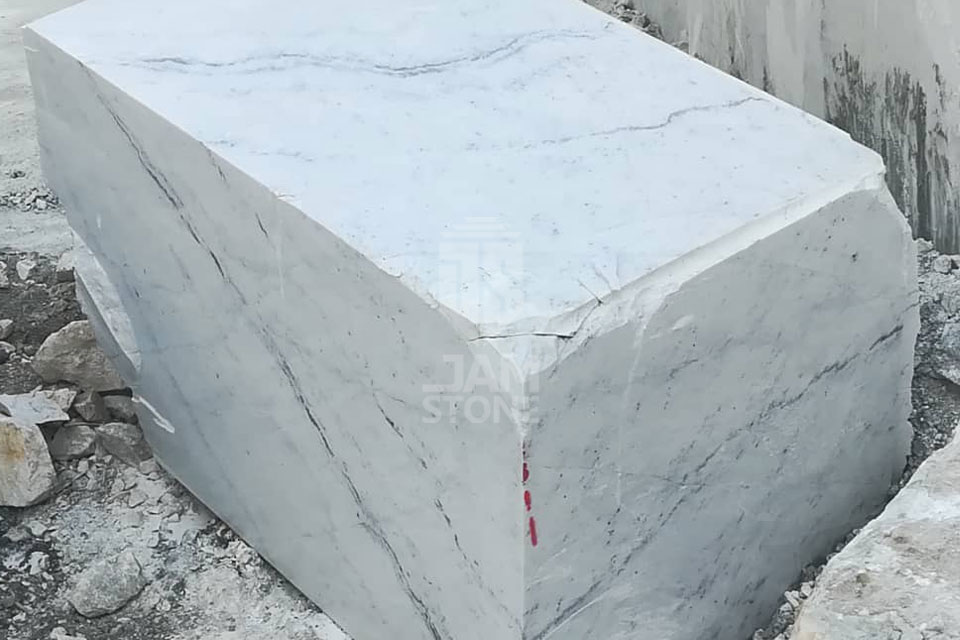

China and European countries are significant buyers of Persian De Savoie White Crystal Marble. The marble’s exquisite quality, competitive pricing, and versatile applications make it a sought-after choice for construction and interior design projects in these regions.