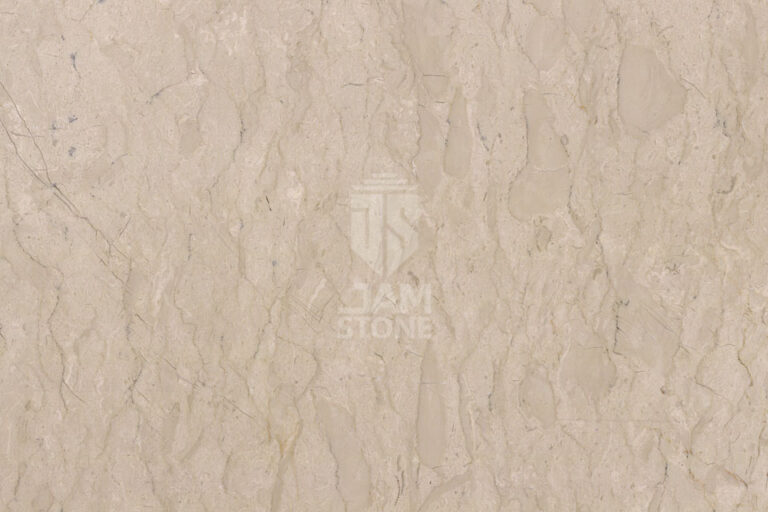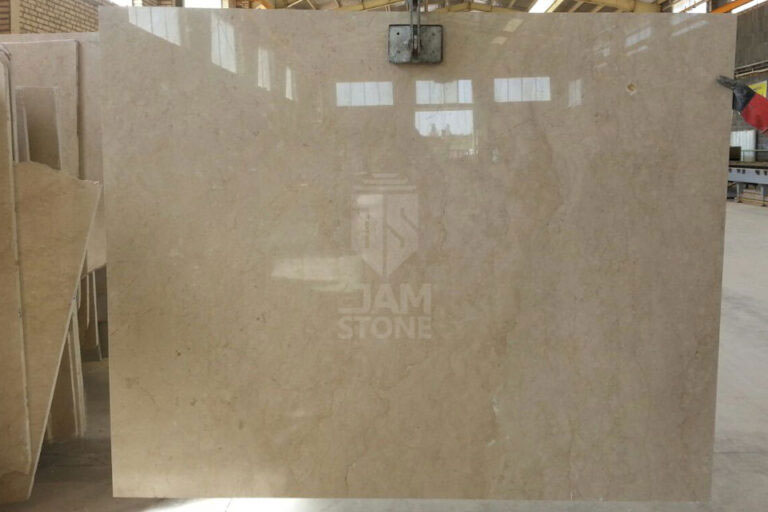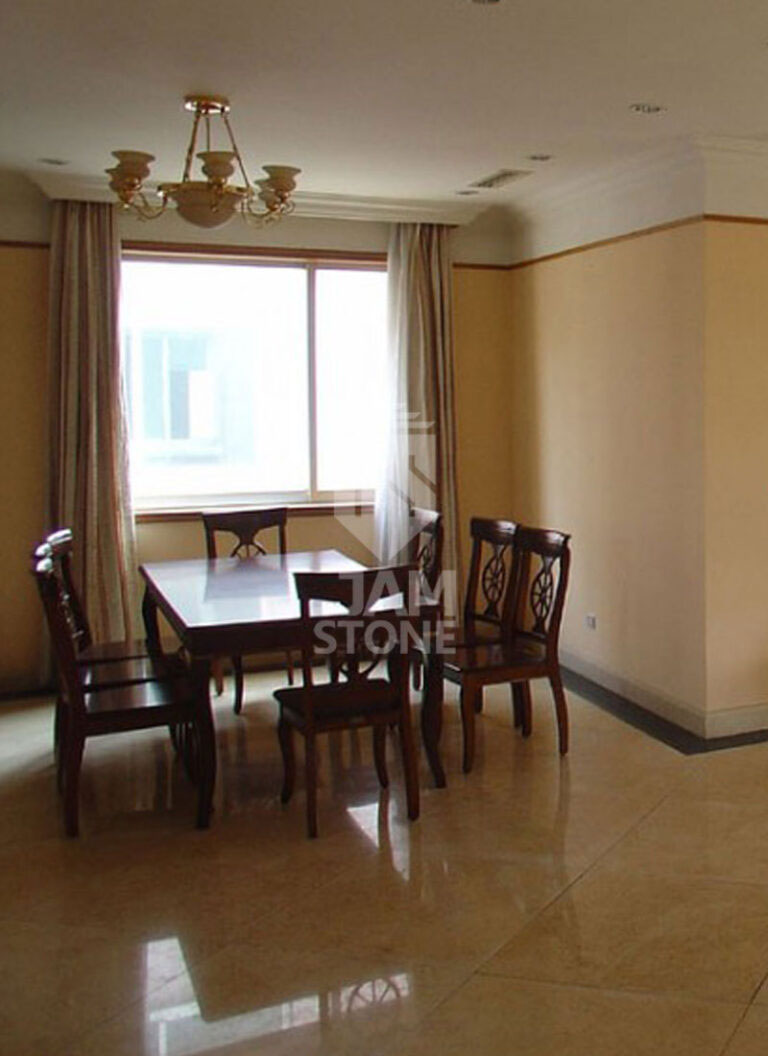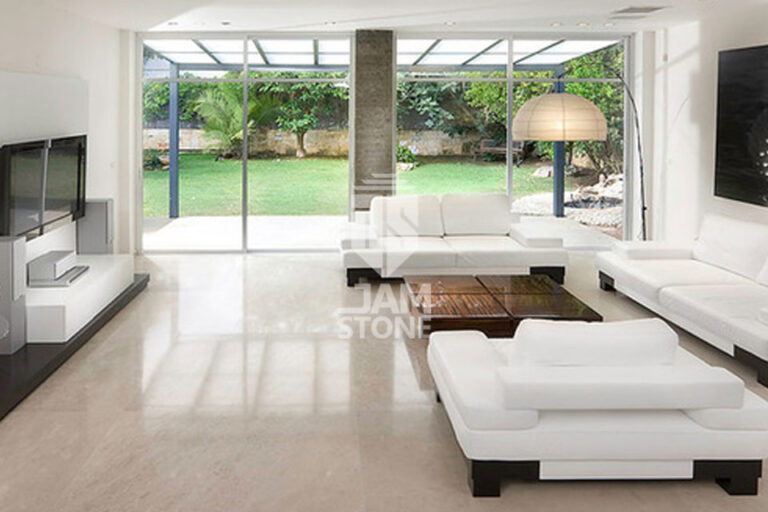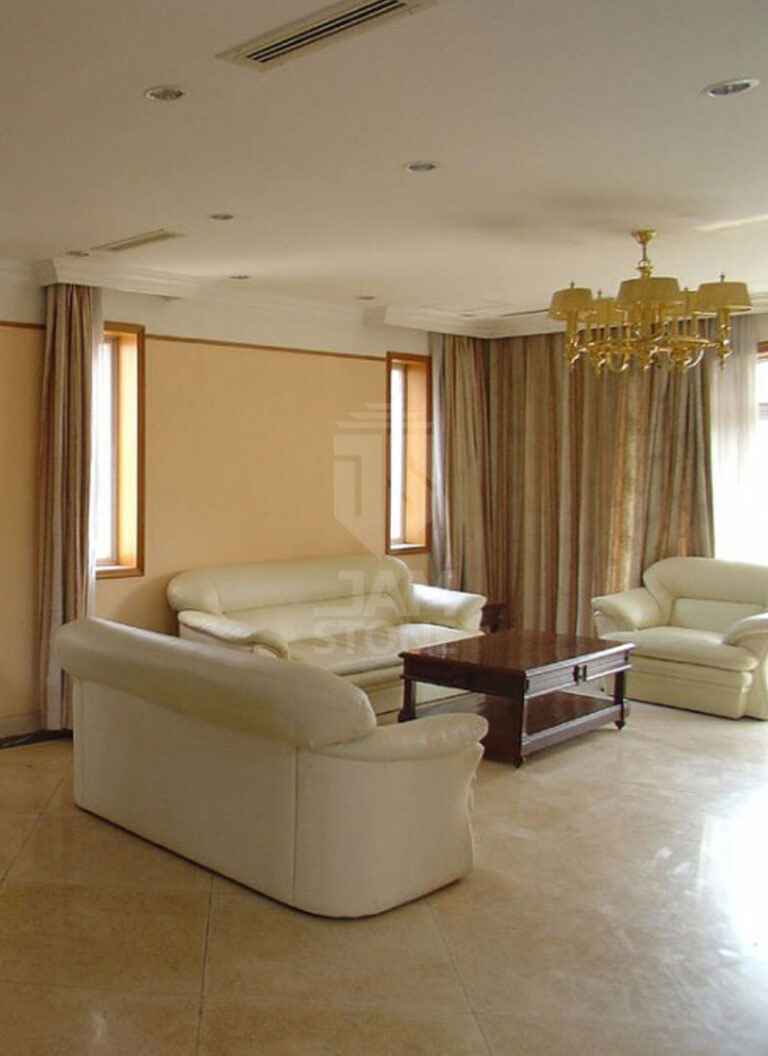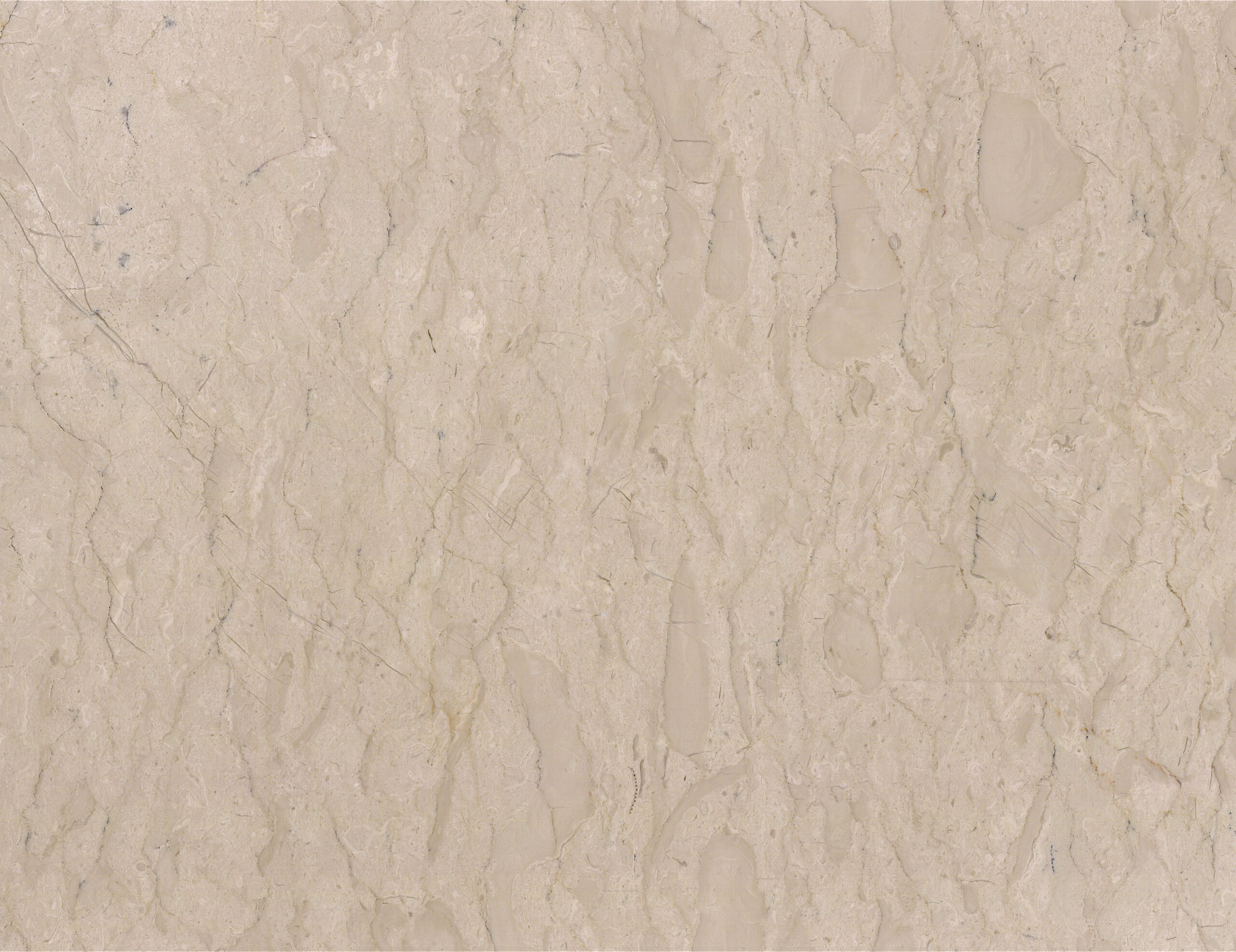

Sunny Beige Marble gives rooms a warm, ordered look without visual clutter. The base tone sits between cream and light beige, with soft tan or grey lines that read as gentle movement. The grain is tight, so surfaces finish flat and edges stay clean for narrow joints. Polished faces reflect light clearly; honed or brushed finishes reduce glare in busy areas. As a calcitic stone, it works best indoors or in sheltered exteriors where acidity is limited. The sections below cover structure, appearance, formats, use cases, prices, processing, care, and supply so projects can be specified correctly and delivered on time.
When schedules tighten and quality must stay consistent, dependable sourcing becomes the foundation of a project. JAM Stone Co. serves as a single, accountable partner from block selection to delivery. The team controls calibration, finish, shade grouping, and edge checks, then documents each lot with labels and photo logs. Mock-ups and sample boards support early approvals. CAD/CAM capability ensures accurate cut-to-size work, while container planning and moisture-safe packing reduce breakage. Clear lead times and flexible quantities keep programs on track. As a seasoned supplier of Sunny Beige Marble, the company delivers steady color and clean finishing that installation teams can trust.
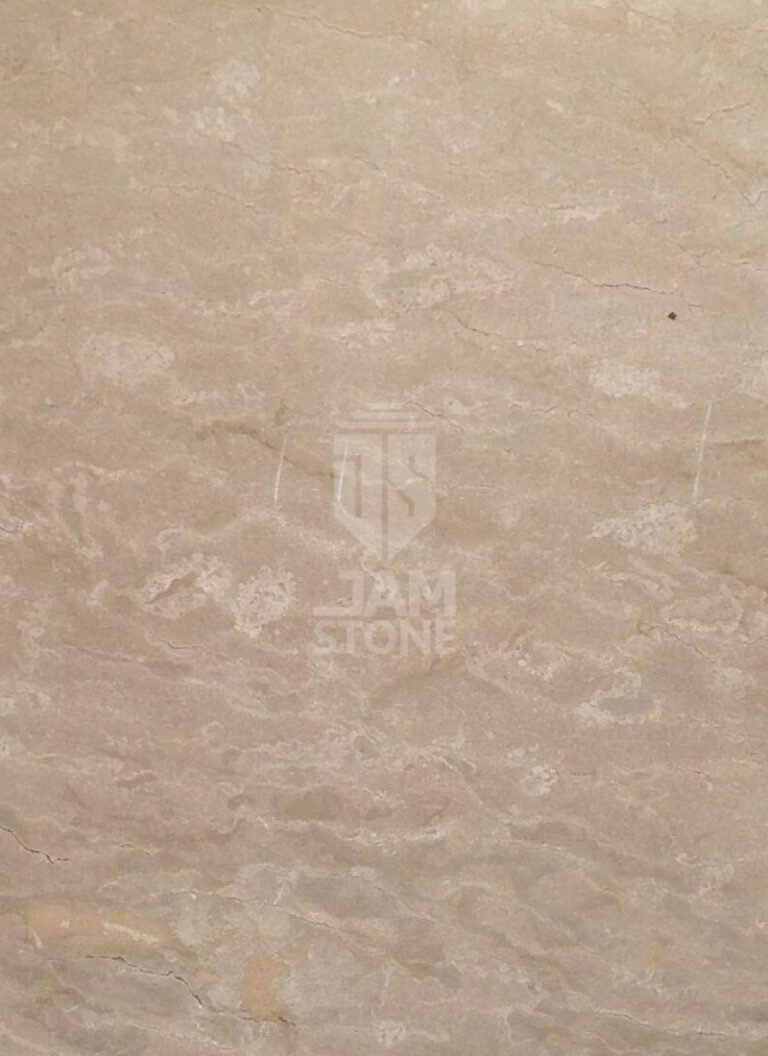
Sunny Beige Marble is a beige, fine-grained calcitic marble known for a compact background and quiet veining. It accepts a high polish for crisp reflections, yet also performs well in honed or brushed states where softer light is preferred. The color holds steady across larger fields when shade grouping is managed at the factory. As with any calcium-carbonate stone, contact with acids can mark the surface, so kitchens and bars usually specify a honed finish and clear care rules. Typical outputs include 2 cm and 3 cm slabs, modular tiles, and cut-to-size pieces shaped to project drawings.
This section summarizes common performance ranges for beige, calcite-rich marbles and the practical points that matter during fabrication and installation. The stone’s tight grain supports clean cutting, thin joints, and smooth finishes with predictable gloss. Resin treatment is used to close micro-seams and stabilize edges before final polish and calibration. Flexural and compressive strength vary by bench and thickness, so long treads, big tiles, and complex shapes benefit from balanced reinforcement and careful handling. To keep lots uniform across large rooms, factories mark slab sequences and keep edges true, which shortens on-site corrections and reduces waste.
Sunny Beige Marble is predominantly calcite, the mineral that defines marble. Fine grains help the surface take a consistent polish and keep edges tidy after cutting. Small amounts of iron oxides or clay films may appear as faint tan or grey traces. With proper sealing, the tight structure supports clean joints and stable finishes in typical interior conditions.
Bulk density is typical for marble (~2.65–2.71 g/cm³), while open porosity remains low (~0.3–1.5%). Water absorption is usually ≤0.5% by weight, which is favorable for stain control once the surface is sealed. Factory resin closes micro-voids, so capillary uptake slows and maintenance becomes easier. These traits support floors and walls in homes, hotels, and retail interiors.
Calcite sits near Mohs 3, so the surface can scratch if grit is dragged underfoot. Compressive strength typically ~80–130 MPa, while flexural strength ~10–20 MPa supports standard tile spans with correct thickness. For long treads or thin large formats, reinforcement and careful lifting reduce corner damage. Good calibration keeps stress even across adhesive beds.
Tight calibration holds thickness within small tolerances, producing flat, reliable pieces for thin-set installation. Edges are cut true and receive a slight arris to limit chipping without widening the joint visually. Where drawings call for grooves, drip edges, or nosings, factory tools produce consistent profiles across batches, which speeds installation and improves alignment.
Natural features & selection:
Natural features can include hairline micro-seams, small stylolites, and subtle color wisps. Reputable plants limit visible defects by resin treatment, mesh backing when needed, and strict selection rules. Grade definitions should state how much movement is acceptable, the target base tone, and allowed inclusion size. Shade grouping by crate helps maintain continuity over large surfaces.
Appearance and use often depend more on finish than on the base material. Polished stone looks crisp and bright; honed lowers glare and hides small marks; brushed adds texture for traction and a warmer hand-feel. Light does not shift the color much, but strong acids can etch. In wet or high-traffic spaces, choose a finish with safer slip behavior and match it to the lighting plan. When countertops or bar tops must allow for minor wear, honed surfaces keep the look even, and routine care can renew sealer protection without heavy intervention or downtime.
The base runs from cream to warm beige. Thin tan or grey lines create soft movement that does not distract from layouts or furniture. Book-matching produces calm mirrors for reception walls or corridors. In large fields, shade grouping manages small tone shifts between blocks, so the floor reads as one continuous, orderly plane rather than a patchwork.
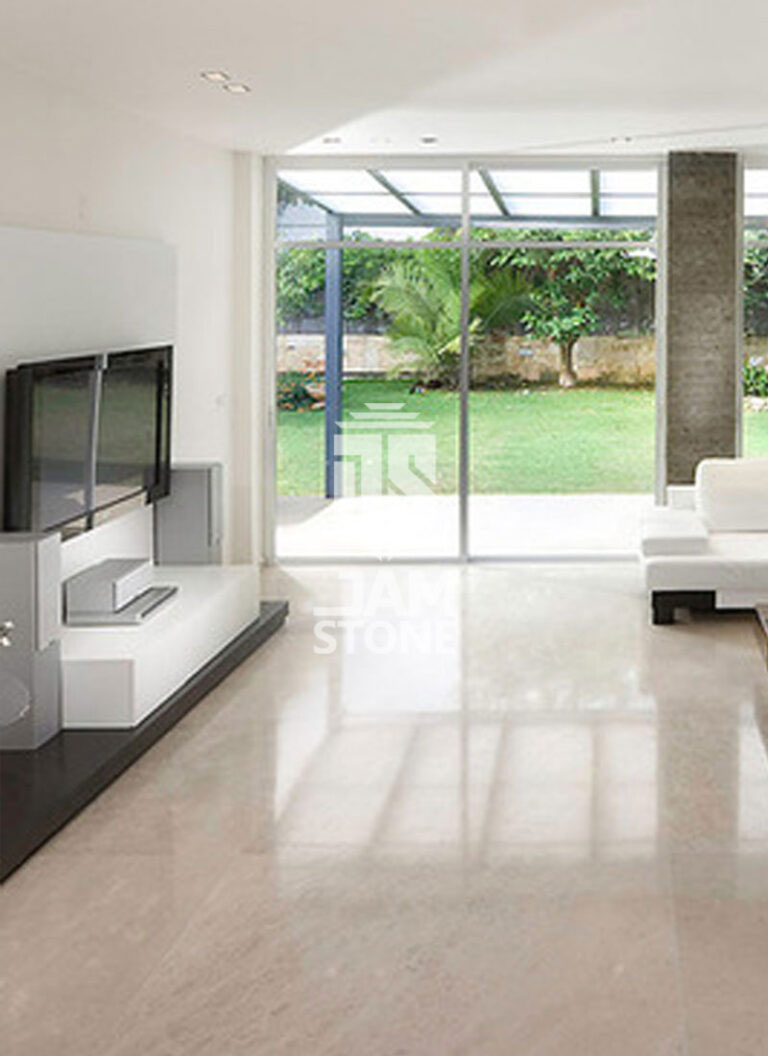
Polished surfaces suit walls and low-wear floors. Honed floors offer better footing in dry public areas and help blend small etch marks. Brushed finishes add micro-relief, which can raise traction in wet rooms, spas, or covered terraces. In very wet zones, combine texture with mats or strips designed for slip control and set clear maintenance routines.
As a calcium-carbonate stone, Sunny Beige Marble reacts with acids, which can dull the polish by etching. Penetrating sealers reduce staining but do not prevent etch marks. Use pH-neutral cleaners and avoid vinegar, citrus, or acid descalers. Where food and drinks are present, select a honed finish and define simple care steps staff can follow without special tools.
Indoors, color is stable under normal lighting. Outdoors, use the stone in covered areas in mild climates, and specify textures that fit slip needs. In freeze–thaw regions, keep it away from fully exposed paving to limit stress from cycles and salts. Regular checks on seal condition and joints preserve performance and help plan timely, low-cost refreshes.
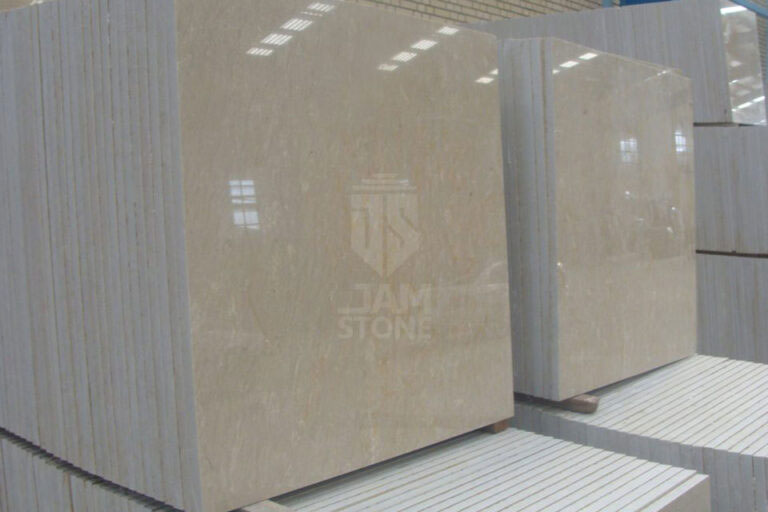
Production commonly includes 2 cm and 3 cm slabs, modular tiles, and custom pieces cut to drawings. Size limits depend on block dimensions, yield, and risk management for handling and transport. The factory balances slab selection, sequencing, and shade grouping to support book-matching and clean, continuous fields. Large items may need mesh backing or added reinforcement. For projects with tight schedules, early confirmation of formats, finishes, and crate plans reduces breakage risk, improves container use, and helps keep landing dates predictable during busy seasons or when bench changes occur.
Standard slabs are 2 cm or 3 cm thick in polished or honed finishes. Net sizes often fall around 270–320 by 150–200 cm, depending on the bench and block soundness. Select lots can exceed 320 cm. Resin treatment and occasional mesh backing stabilize micro-seams. Shade and vein grouping at the crate level helps with book-matched features on site.
Common modules include 300×300, 600×300, 600×600, 800×400, 900×450, and 900×900 mm, typically at 10 mm for small modules and 15–20 mm for larger formats. Rectified edges allow narrow joints around two to three millimeters. Larger formats, such as 1200×600 mm, are available subject to yield. Polished, honed, and brushed finishes are standard. Orders can mix sizes to suit layouts.
Factories shape stair treads, risers, skirtings, countertops, and curved pieces with CNC and waterjet machines. Typical thickness tolerance is about plus or minus one millimeter after calibration, which helps adhesive beds stay even. Anti-slip nosings, drip edges, and custom grooves are cut to repeatable profiles so installers can work quickly with consistent results.
Mosaics arrive in mounted sheets. Common chip sizes are about 23, 48, or 98 mm in straight, hex, herringbone, or basket-weave patterns. For wet rooms and shower floors, honed or brushed textures balance traction and comfort underfoot. Face-taped or mesh-backed sheets keep lines true during placement, and factory trimming supports tight, regular grout joints.
Use pavers in covered exterior spaces where rain and frost exposure are limited. Typical thickness is thirty or forty millimeters. Bush-hammered or sandblasted plus brushed textures raise traction for walkways and steps. Confirm climate and de-icing salt exposure during design. In harsher sites, consider alternative stones better suited to freeze–thaw cycles and heavy salts.
Skirting normally ranges from seventy to one hundred twenty millimeters in height and ten to twenty millimeters in thickness. Edges receive a micro-bevel or pencil-round to protect corners from chips. Longer lengths reduce joints along corridors. Keeping shade alignment between floor fields and trims preserves a unified look across rooms and connecting spaces.
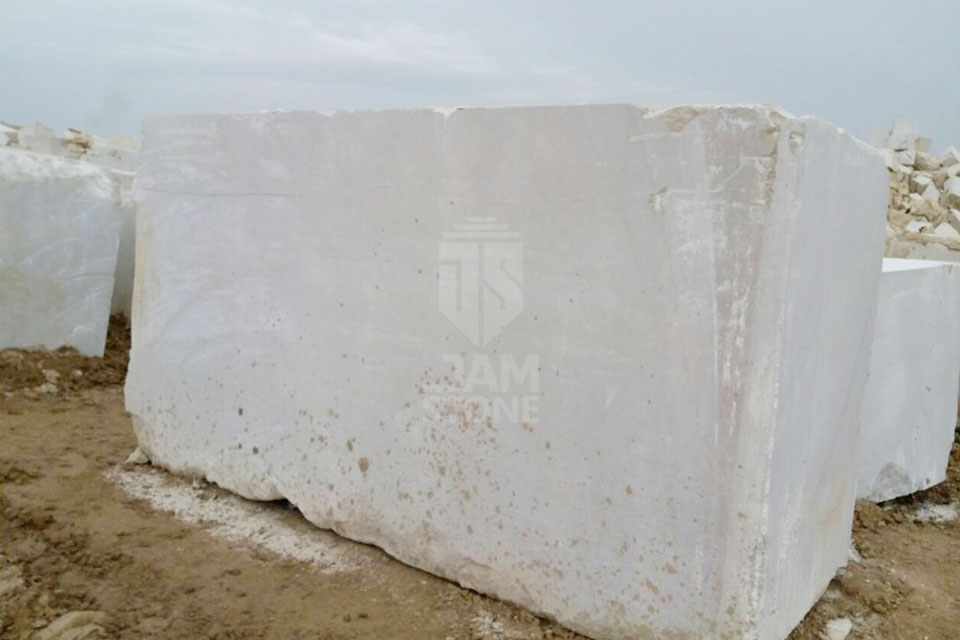
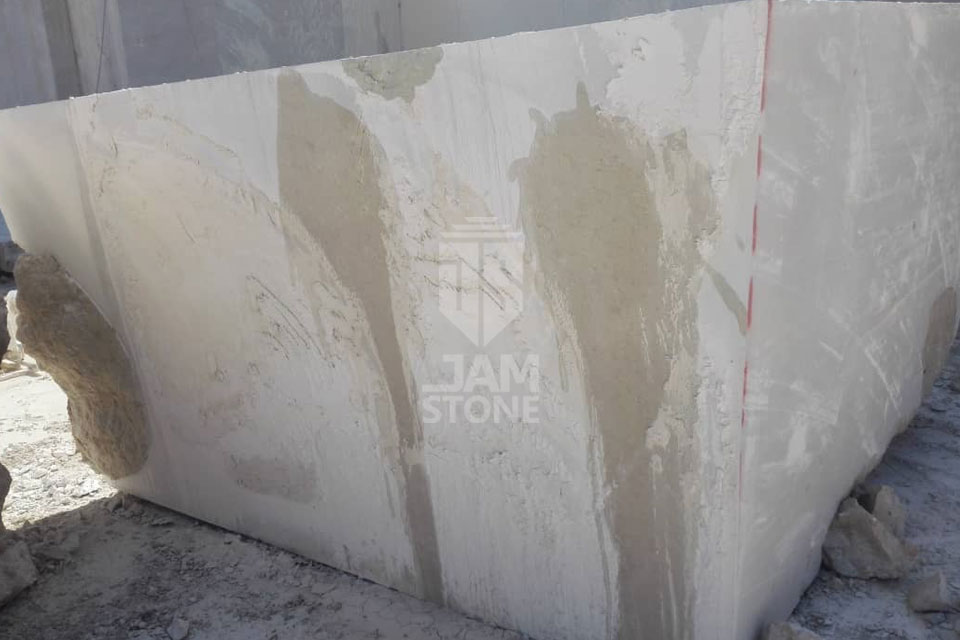
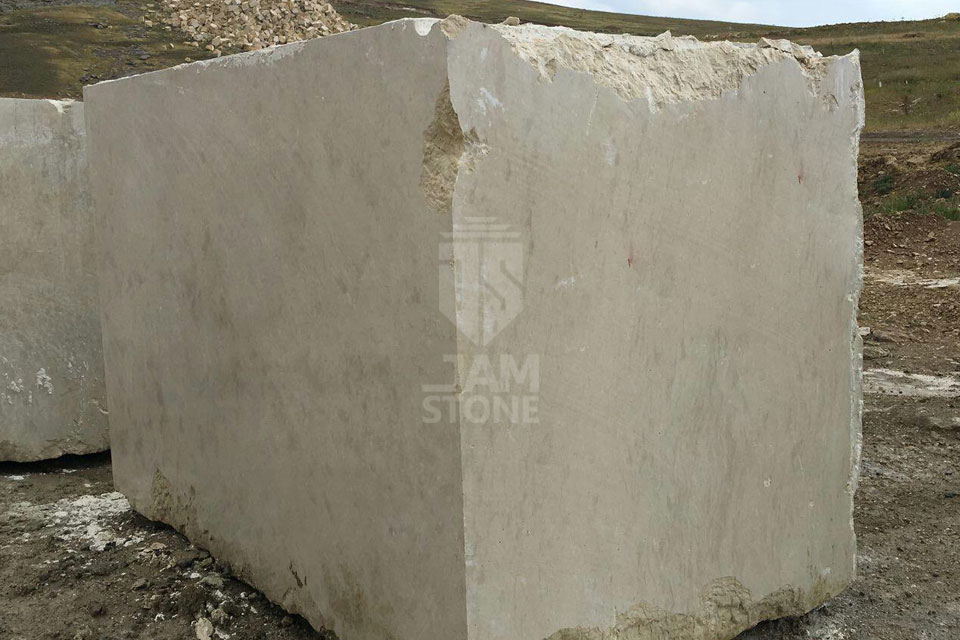
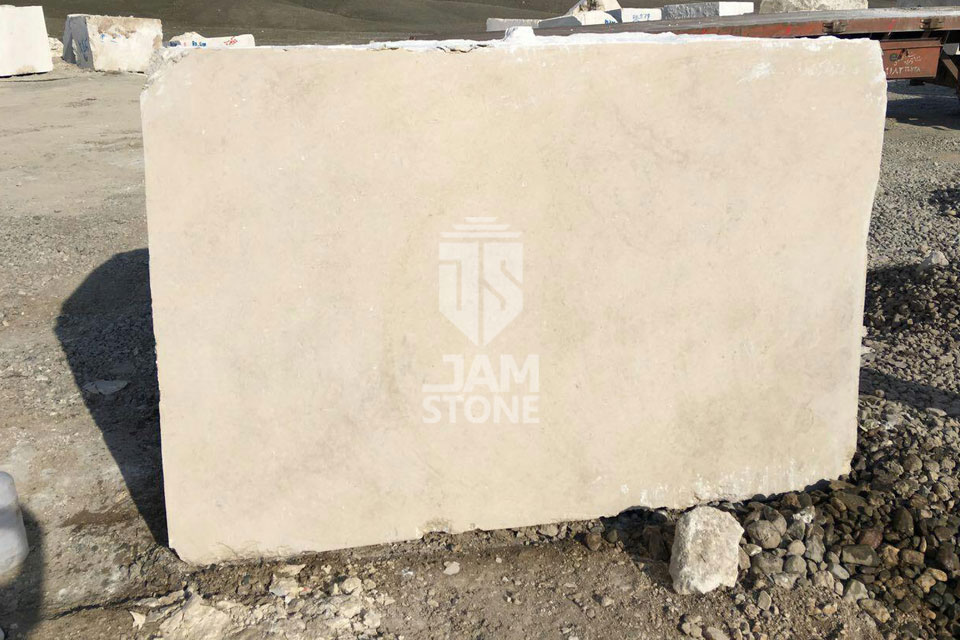
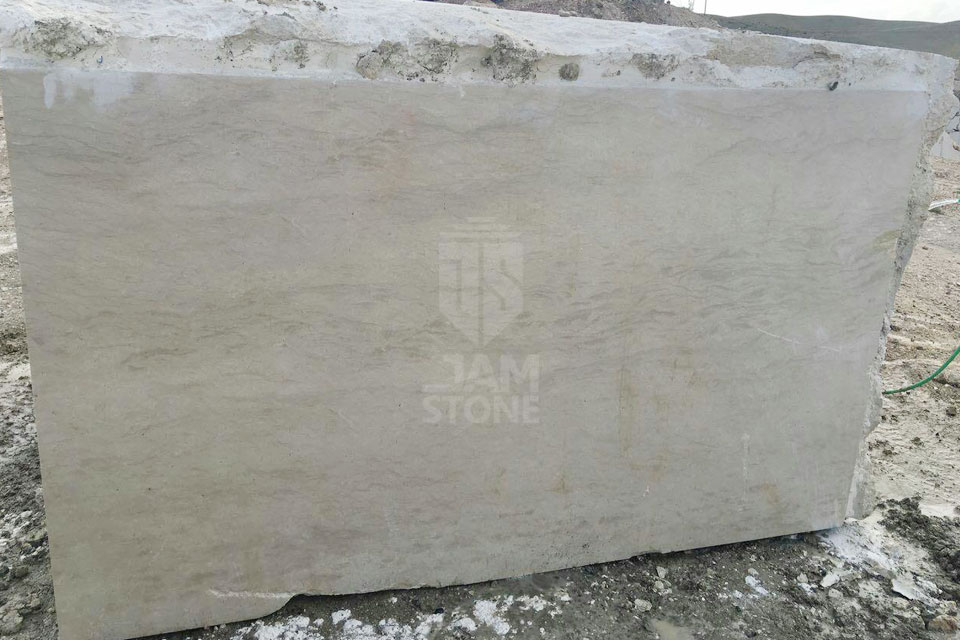
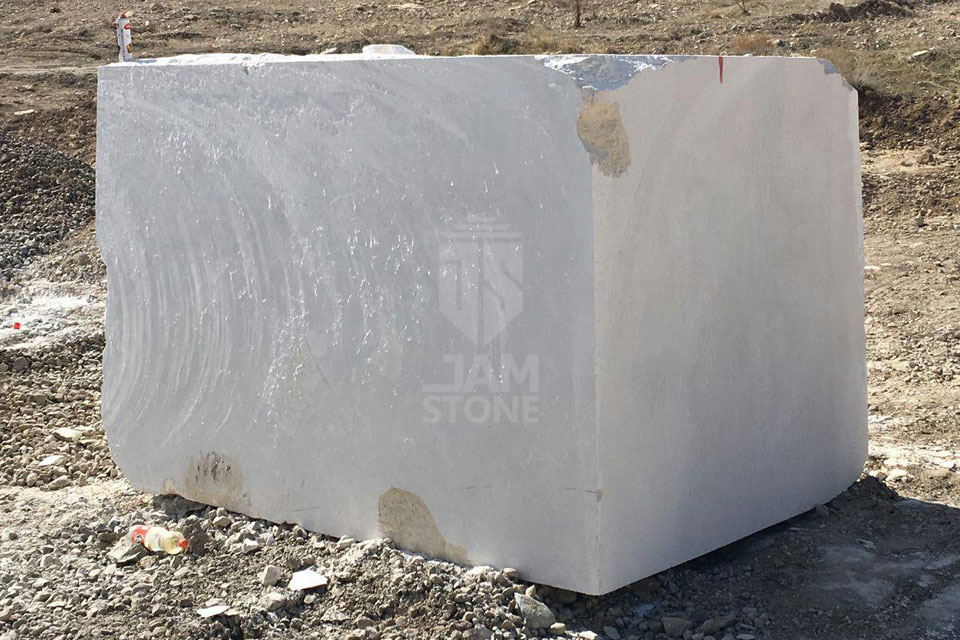
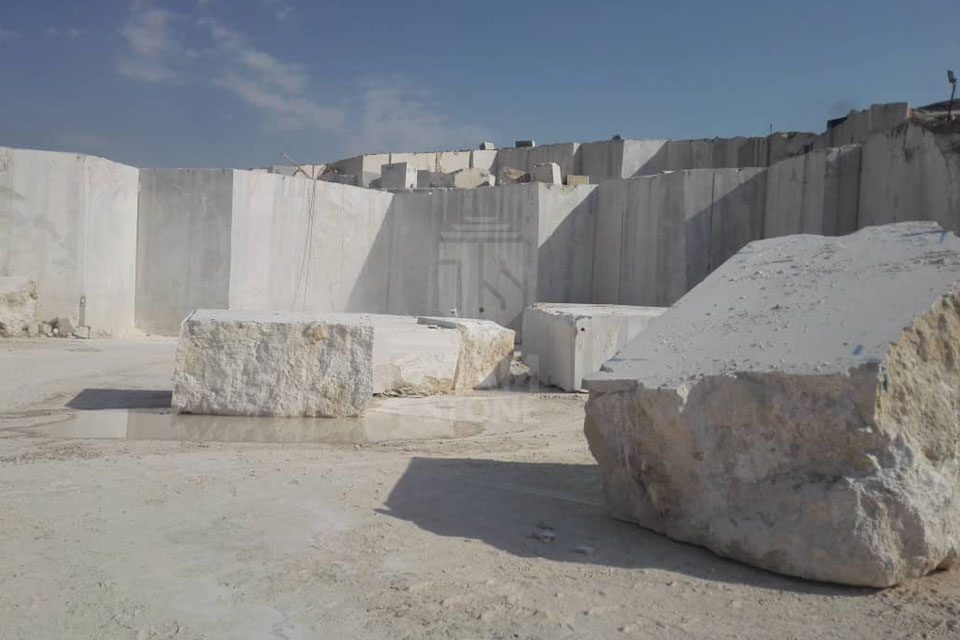
Commercial blocks range from a few to over ten tons, with vein orientation and bench quality driving slab yield. Premium benches produce larger, more uniform blocks that support jumbo slabs and long, clean treads. Recording bench IDs and lot data improves traceability, while early reservation of matching blocks protects visual continuity in phased projects.
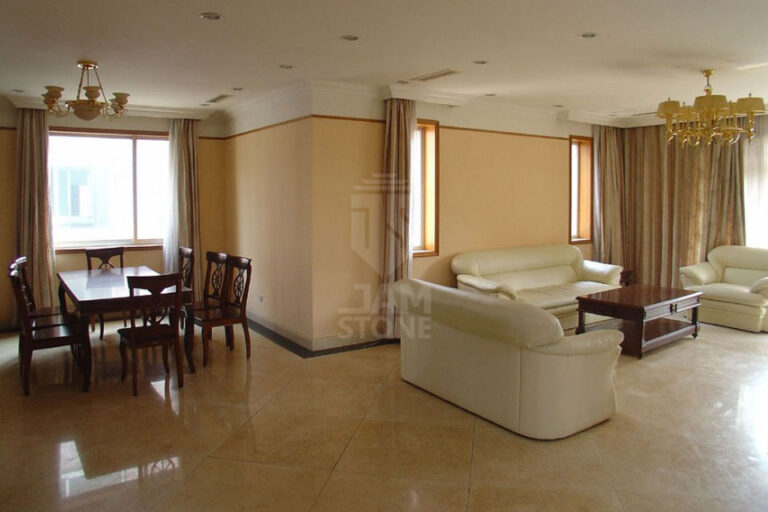
Sunny Beige Marble supports simple, calm interiors in homes, hotels, and public buildings. It suits floors and walls in living rooms, lobbies, corridors, and bathrooms where a warm neutral backdrop is needed. Stairs, counters, and reception desks benefit from controlled veining that does not fight signage or lighting. For kitchens and bar tops, honed surfaces help blend small marks and reduce glare in task areas. In wet rooms, choose honed or brushed and pair with sealers and slip-control measures. For outdoors, keep use to covered loggias or porticos in mild climates and specify textures that match expected foot traffic.
Price reflects visual grade, block size and yield, processing quality, finish, thickness and format, and the shipping plan. Projects that value steady shade, flatness, and clean edges can see lower lifecycle costs because installers make fewer corrections and waste drops. Early alignment on slab sequencing, module sizes, and crate density also improves landed cost per square meter by reducing handling risk and maximizing container use across mixed formats and finishes.
A tighter beige base with fewer inclusions, controlled veins, and consistent gloss commands higher prices. Premium grades allow large continuous fields and book-matching without disruptive transitions. Commercial grades permit more movement, which may need extra layout time during installation. Clear grade rules help buyers balance appearance targets against budget limits before production.
Larger pieces of stone increase slab size and improve yield for big modules and long treads. Favor benches with predictable vein orientation to reduce offcuts during matching. When yield improves, the cost per square meter often falls because fewer pieces are lost to trimming, and crate packing becomes more efficient with repeatable module sizes.
Accurate calibration, even resin curing, and tidy edge arrises reduce site corrections. Flatness and consistent reflectance matter for polished finishes under raking light. Rigorous inspections catch micro-seams early, protect schedules, and limit rework. Plants that document these controls typically deliver lots that install faster, which can outweigh small unit-price differences.
Polished surfaces demand higher material selection and precise polishing steps to reach crisp, even gloss, raising cost. Honed finishes are more forgiving and often preferred for floors. Brushed or antique textures add stages, including texturing and extra sealing, which may extend lead time and affect pricing depending on the batch and order size.
Thicker pieces and extra-large modules require more material and longer processing time. Oversize parts may need reinforcement and special crate engineering, which increases cost. Confirm whether the visual goal truly needs larger sizes or if a modular pattern can achieve the same effect with better yield and easier handling on site.
Crate design, interleaves, and container layout influence landed prices and breakage rates. Availability depends on bench access and seasonal conditions at the quarry. Pre-booking shade-consistent lots helps avoid delays and split deliveries. Clear labels, packing photos, and paperwork streamline customs and reduce time from port to project site.
Quarry teams identify benches with uniform beige tone and predictable bedding. Trial cuts confirm soundness and vein direction. Blocks are trimmed and coded for traceability, then shipped to the plant. Slabs pass through resin treatment to close micro-seams, followed by curing and calibration to hold thickness steady. Finishing lines deliver polished, honed, or brushed textures according to the order. Quality checks measure gloss, flatness, and edge condition before selection.
After finishing, slabs and tiles are shade-grouped, matched by vein where needed, and staged for packing. Crates use foam sheets, corner guards, and moisture barriers to protect faces and edges. Labels record product, size, thickness, finish, and batch numbers, with photo logs attached for each lot. Container layouts balance weight and access so installers can unload in sequence. These controls reduce surprises on site and help teams maintain schedule discipline.
Successful installs start with suitable adhesives and clean substrates. Use white, marble-grade thinset or a compatible epoxy where conditions are difficult. Keep joints narrow and consistent, and grout with flexible, stain-resistant materials that match the finish. Seal the surface with a penetrating sealer after install and before handover. In kitchens and wet areas, set a reseal cycle that matches traffic and cleaning habits.
Daily care relies on pH-neutral cleaners and soft pads or mops. Avoid acidic products, vinegar, lemon, or abrasive powders that can etch or haze the surface. In high-traffic floors, place mats at entries to reduce grit and review glide pads under furniture. For minor etch marks on honed tops, light re-finishing can blend the area quickly. Keep a simple, written routine so staff can maintain results without expert tools.
JAM Stone Co. supplies Sunny Beige Marble through a disciplined process that protects color control and finishing quality from block to crate. The team manages slab calibration, gloss checks, and edge quality with documented inspections. Shade grouping and sequencing are confirmed before packing, and each shipment includes labels and photo logs to aid layout on site. As a seasoned supplier of Sunny Beige Marble, the company supports mock-ups, sample boards, and clear approvals so installers can move fast with minimal guesswork and fewer corrections during critical phases of a build.
Projects benefit from stable quarry links, flexible minimum order quantities, and predictable lead times backed by export documentation. The company’s CAD/CAM capability covers custom nosings, grooves, and complex shapes, while QC labs verify thickness, flatness, and reflectance for polished work. Lots are matched for shade and vein direction to support book-matched walls and long, tidy corridors. As an experienced exporter of Sunny Beige Marble, JAM Stone Co. optimizes container plans and crate density to lower landed costs and reduce breakage, helping teams deliver clean, orderly work on compressed schedules.
Sourcing focuses on beige-marble benches in central and southern Iran known for uniform tone and workable veining. Strong partnerships with mine holders secure steady blocks from the same benches, which protects visual continuity across phases. Bench IDs and lot records track stone from extraction to finishing, making replacements or add-ons straightforward if scope changes. Regular trial cuts confirm soundness and vein direction before large runs. This traceable approach, combined with careful selection, lets the provider of Sunny Beige Marble deliver consistent results across lobbies, corridors, stairs, and feature walls where alignment really matters.
Packing is engineered to keep edges and faces safe from plant to site. Slabs are interleaved with foam sheets and secured with corner guards, while tiles ride in kiln-dried wooden crates with moisture barriers and bracing. Large formats receive additional support and shock-absorbing pads. Crate labels include size, thickness, finish, batch, and sequential slab numbers to simplify staging. Photo logs travel with documents so site teams can verify lots quickly. These steps cut handling risk, improve unloading sequence, and support a tidy, efficient installation that meets program targets without last-minute replacements or rework.
is a type of natural stone known for its warm beige coloration and subtle veining.

Sunny Beige Marble is sought after by buyers in a multitude of countries worldwide, with notable demand stemming from regions such as the United States, Canada, the United Kingdom, Australia, United Arab Emirates, Germany, France, Italy, China, and India, among others. These countries have robust construction and design industries, where Sunny Beige Marble finds applications in residential and commercial projects alike.