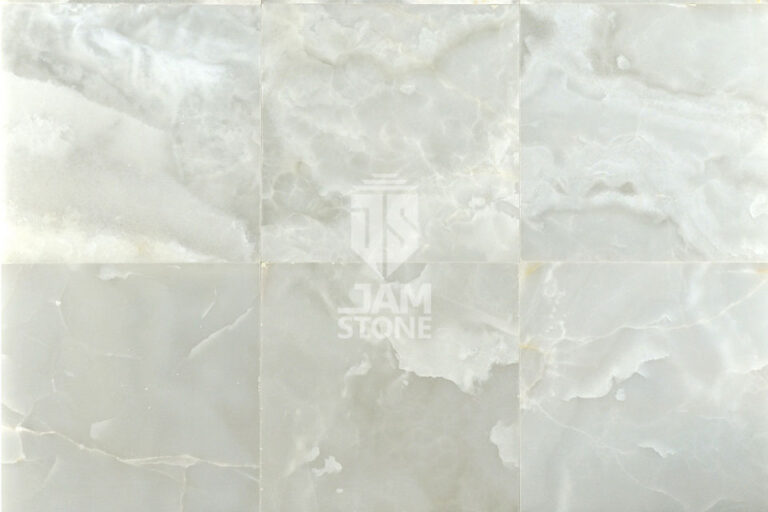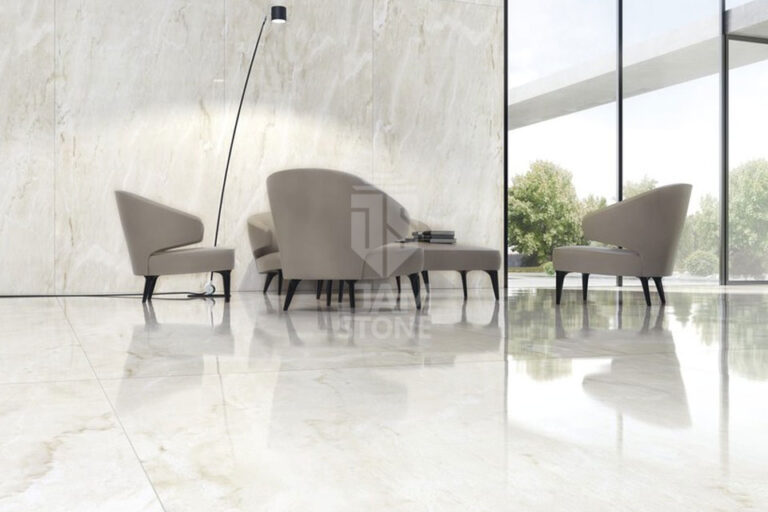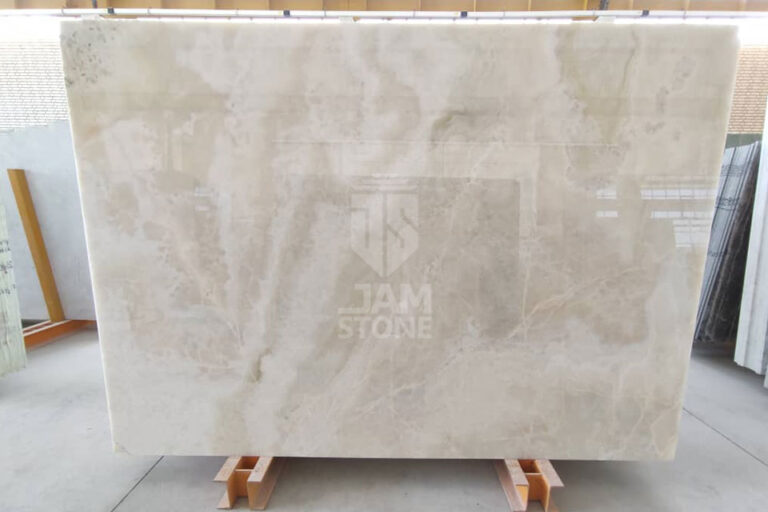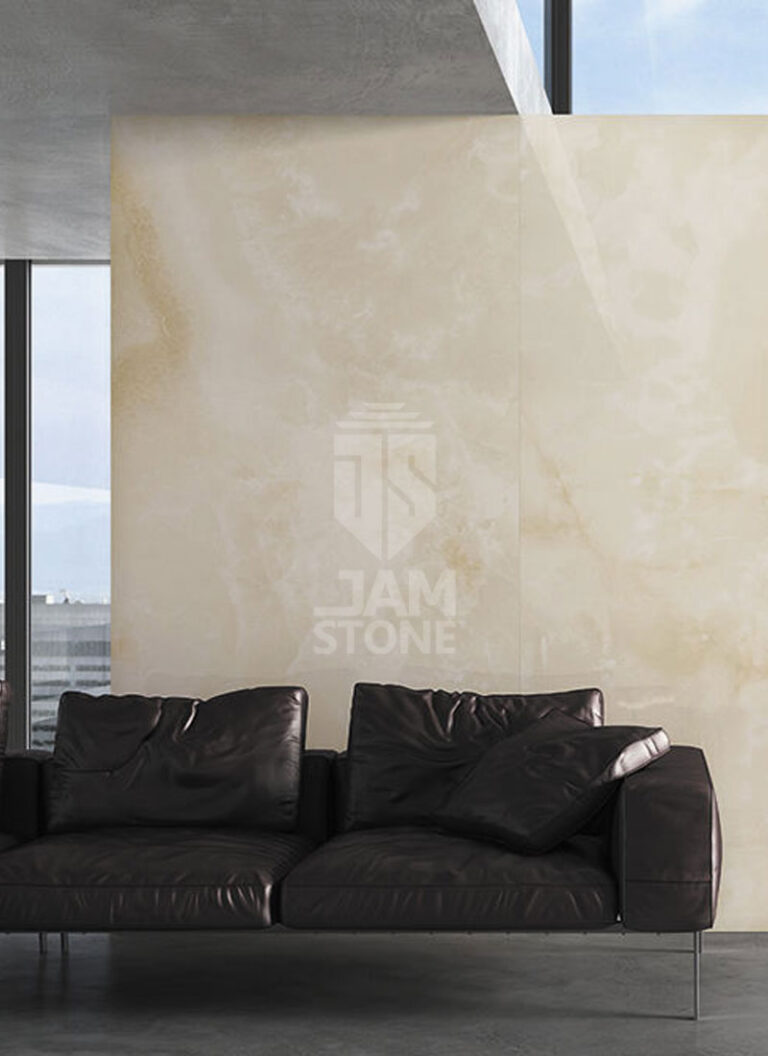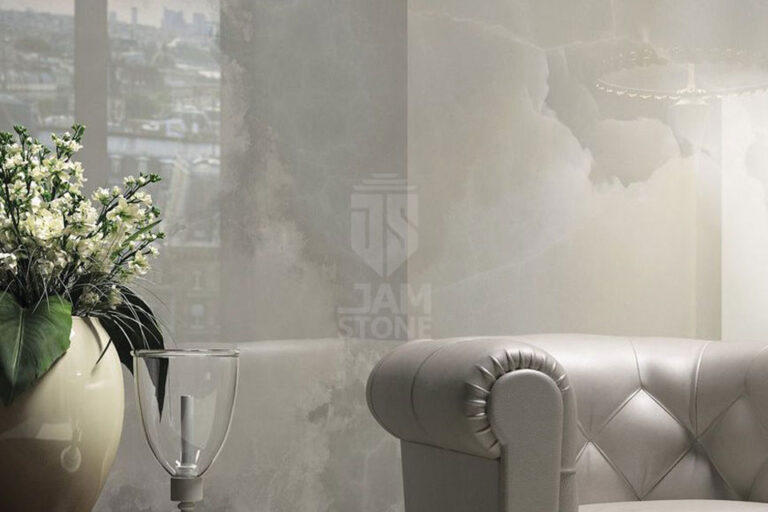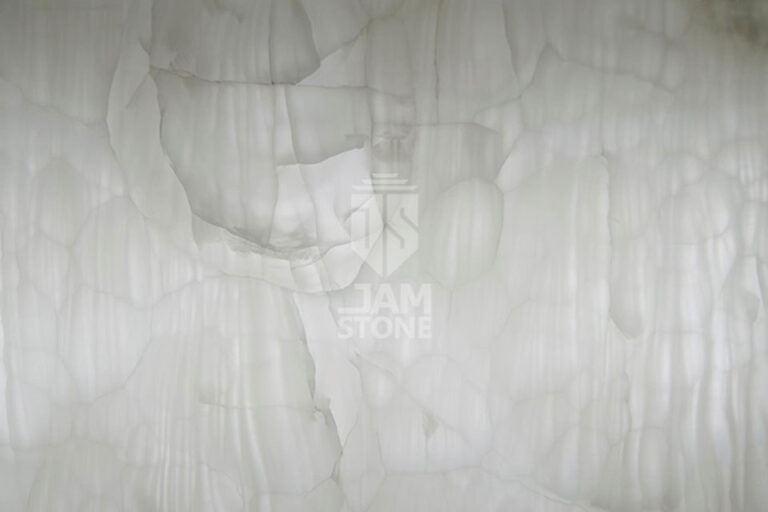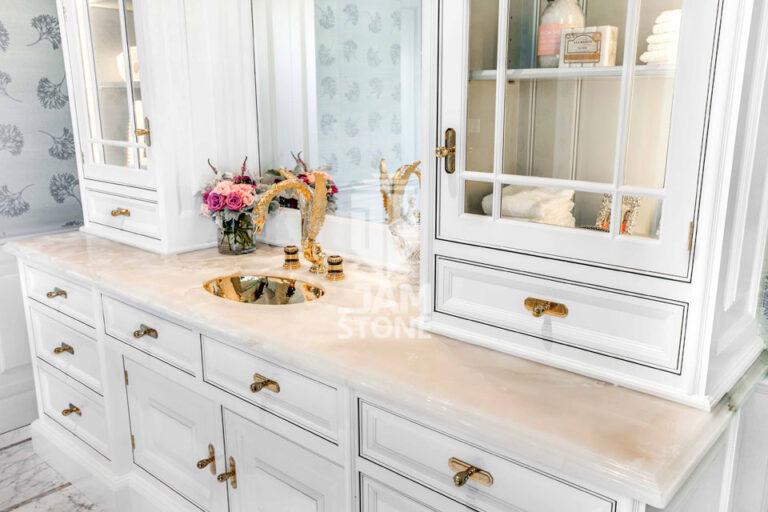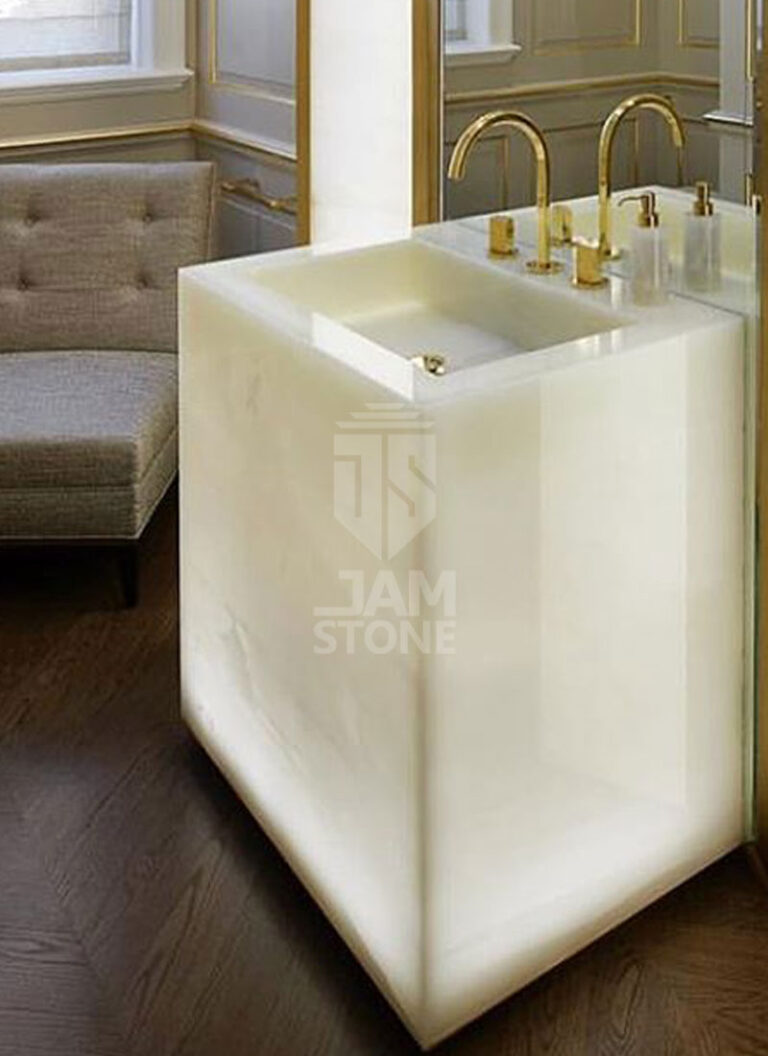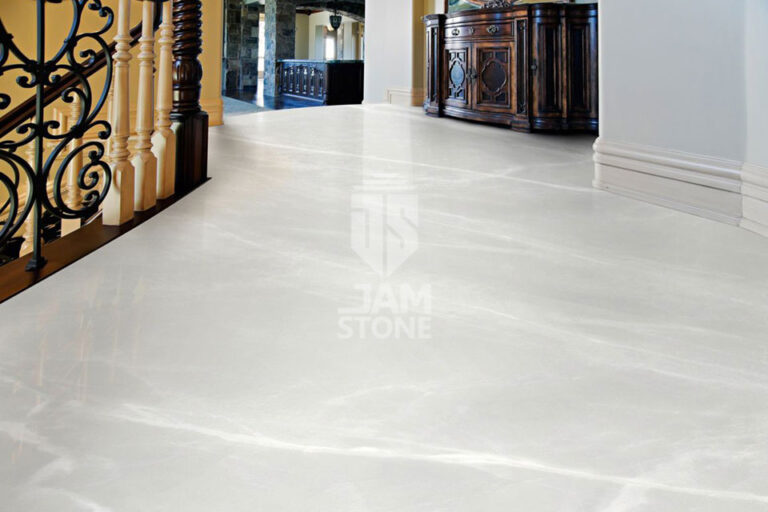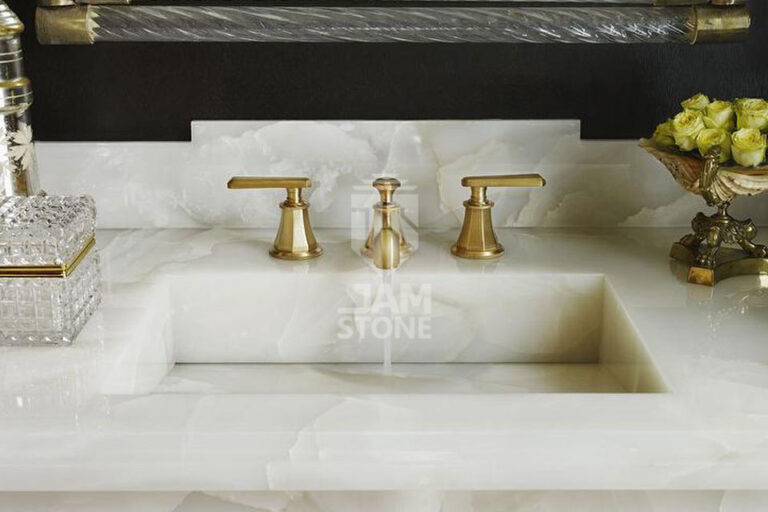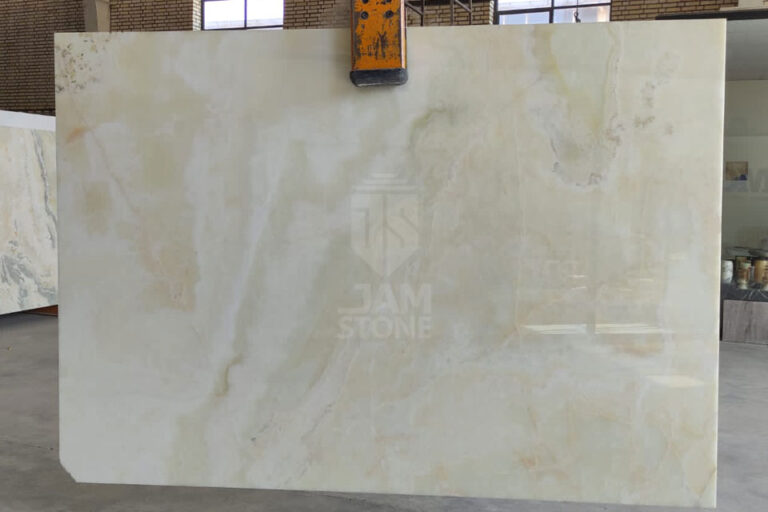

Pure White Onyx presents a bright, near-uniform white body with gentle movement and a notable ability to transmit light. When installed with backlighting, the stone produces a soft glow that emphasizes clean lines and calm surfaces. Its best role is decorative and interior, where polish and translucency can be appreciated without heavy wear or acid exposure. Designers choose it for feature walls, reception counters, vanities, and statement furniture, especially in modern projects that value simple, neutral palettes and precise detailing.
JAM Stone Co. supports projects that require high whiteness, bookmatching, and careful light control. The company’s process covers block selection, slab reinforcement, calibrated polishing, and dry-lay approvals before packing. Teams provide drawings for grain direction and match lines, and arrange trial light boxes to check uniform translucency. Shipments include clear labels and photo logs so installation teams can trace each piece. This practical approach helps planners reduce waste, avoid shade variation, and deliver a consistent look across long walls, tall panels, and complex reception desks.
Pure White Onyx is a calcite-based decorative stone often called onyx marble in trade. It forms as calcium carbonate deposits build in banded layers, creating a fine, translucent structure that takes a high polish. The typical appearance is pure white to soft off-white with minimal veining or faint grey and warm threads. Because calcite reacts with acids and is softer than granite, the material is best for interior features and low-wear surfaces, not exterior paving or heavy kitchen duty. Installers use white adhesives to prevent show-through and protect the bright background from dark shadows.
Physically, Pure White Onyx behaves like other calcite-rich stones: relatively soft, dense, and finely grained. Blocks are often smaller than standard marbles, so slab sizes may vary. Producers usually reinforce slabs with transparent resin and a rear mesh to improve handling and reduce loss during fabrication. Engineering for big panels should consider flexural strength, anchoring method, and service environment. White mortars and epoxies help preserve the colour field, while careful polishing sequences maintain flatness and crisp edges for tight-joint interior work.
The stone is predominantly calcite, often ≥95% CaCO₃, with occasional traces of aragonite or dolomite. High whiteness reflects low iron and clay impurities. Open porosity is typically about 0.2–1.5% and accepts penetrating sealers. Veins, when present, are subtle calcite strings that appear as soft grey or warm hints rather than strong contrast bands.
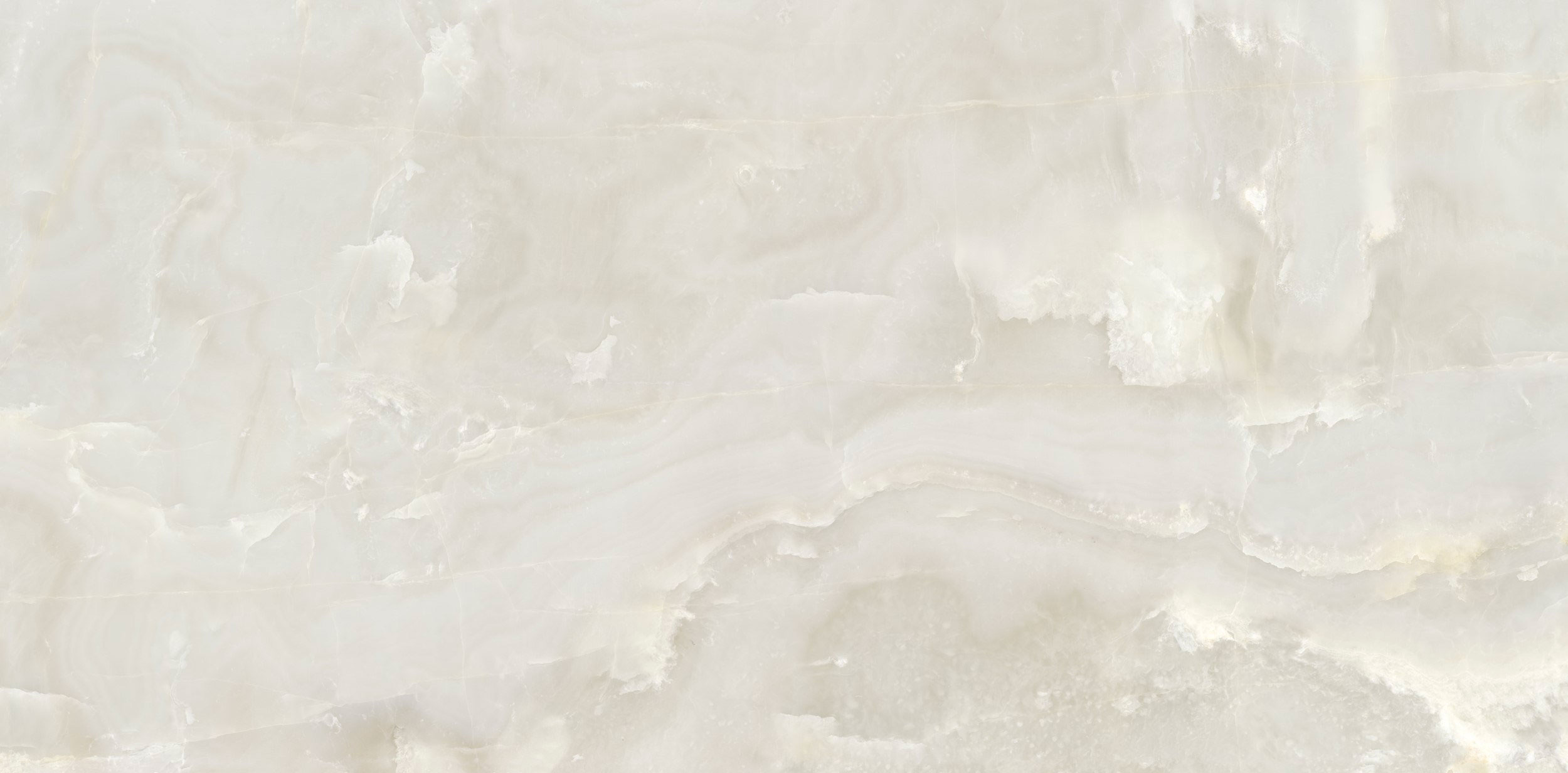
The base tone ranges from clean white to gentle off-white. Movement is quiet and cloud-like, with minimal veining that supports large, uninterrupted fields. This controlled character suits bookmatched panels and minimalist interiors. Designers often place it where lighting can graze or backlight the stone to reveal depth without distracting, busy patterns.
Bulk density is comparable to marble (≈2.65–2.75 g/cm³). Open porosity is low to moderate, around 0.2–1.5%, yet enough to warrant sealing in wet rooms or stain-prone areas. Water absorption typically runs ~0.1–0.6% by mass, supporting a crisp polish. Despite the tight grain, planners should specify stain defences for kitchens, bars, and hospitality zones.
With Mohs hardness around three, Pure White Onyx scratches more readily than granite or engineered quartz. Typical strength values for calcitic onyx are: compressive ≈70–120 MPa and flexural ≈8–15 MPa (lot-dependent). Large pieces commonly receive mesh backing for handling; note that mesh improves handling but does not provide structural capacity in service. Tall panels or cut-outs should use engineered adhesives or anchors, with shop drawings that consider support spacing, access, and expected service loads.
Premium grades target uniform whiteness, limited inclusions, and stable translucency. Natural features may include micro-fissures, stylolites, or thin clay seams that, if consolidated, remain acceptable. Review slabs under light for clouding, UV-stability of resins, resin halos, or shadowing. Check flatness, edge quality, and mesh clarity before approving production for critical spaces.
The appeal of Pure White Onyx is visual: strong translucency, crisp polish, and a calm white field that amplifies available light. Performance improves when designers reserve it for interior features, low-wear counters, and vertical cladding. Because calcite is acid-sensitive and relatively soft, maintenance plans should include sealing, pH-neutral cleaners, and protective habits like coasters and mats. Selecting an appropriate finish helps balance appearance, practicality, and long-term surface behaviour. Backlit assemblies also require thermal and access planning so the lighting can operate safely and remain serviceable over time.
Backlighting in 15–20 mm panels produces an even glow that highlights the clean background. Polished surfaces read bright and deep, while honed reduces glare for a calmer look. Fine-brushed surfaces introduce micro-texture that diffuses light. Each finish alters reflection and perceived tone, so mockups help select the best effect.
Polished Pure White Onyx feels smooth and cool. Honed offers a silk-matte touch that improves grip on vertical edges and handrails. Fine-brushed or leathered textures add slight relief without masking translucency. Texture choice should follow use: polished for statement walls, honed or brushed for areas that need gentler reflection.
The stone is interior-focused. Strong sunlight, thermal cycling, and outdoor pollutants can stress bonds and may yellow some resins over time; prefer low-yellowing systems and consider UV-filtering near glazed facades. Freeze–thaw cycles are risky. Avoid exterior use and position interior panels away from harsh heat or UV. Routine sealing and gentle care sustain the white field for long service lives. Plan lighting to limit hotspots and local heating.
Being calcite-rich, the surface etches on contact with acids, including vinegar, wine, and citrus. Penetrating sealers reduce staining but cannot stop acid etch. Use pH-neutral cleaners, coasters, and prompt wipe-ups. In food zones, honed finishes can disguise fine marks, while active prep is better kept on other surfaces.
Availability depends on block size and integrity, which for onyx are often more limited than for marble or granite. Most projects use twenty millimetre slabs, with thirty millimetre options for demanding details or long spans. Tiles, cut-to-size elements, mosaics, and skirting are common. Because the material is soft and acid-sensitive, outdoor pavers are usually avoided. Plan backlit assemblies early so thickness, translucency, and light spacing are coordinated. Always specify white adhesives and tight, colour-matched joints to maintain the clean field and avoid visible shadows at edges.
Standard thickness is twenty millimetres; thirty millimetres adds rigidity for large spans or deep edges. Usable slab sizes commonly range from ~1.8–2.6 m by ~1.0–1.6 m (occasionally up to ~2.7 m in length when blocks permit). Expect transparent resin and rear mesh. For backlighting, verify uniform translucency and tight thickness tolerance (±0.5 mm) to support even diffusion and avoid banding, hotspots, or edge shadows.
Typical formats include 300×300, 300×600, 600×600, and 600×1200 millimetres. Larger pieces are possible when slab integrity allows. Keep joints tight around two millimetres and use colour-matched grout. Always bond with bright-white thinsets to prevent show-through, and confirm substrate flatness for clean, continuous planes. Movement-prone floors benefit from crack isolation membranes to reduce telegraphed lines and preserve the polished finish.
Reception desks, stair risers, fireplace surrounds, shower walls, and furniture cladding are routine uses. Shop drawings should fix grain direction, bookmatch maps, and joint positions. Factory edge finishing and dry-lay approvals reduce mismatch. Where illumination is planned, request light-box mockups and thickness control for even diffusion across adjoining pieces.
Mesh- or paper-backed sheets allow curves and complex patterns while limiting waste. Use water-stable, non-staining adhesives. Seal before and after grouting to reduce pigment uptake. Mosaics excel in feature niches, vanity aprons, and accent bands where sparkle, fine joints, and controlled translucency add visual depth without large slab handling.
Onyx is generally unsuitable for outdoor paving because of softness, acid sensitivity, and freeze–thaw risk. If specified in sheltered interiors, use thicker sections and protect during construction. Cleaning must avoid acidic chemicals. For heavy-traffic floors, select alternative stones and reserve onyx for vertical or low-wear decorative surfaces. This approach preserves appearance and reduces premature surface wear.
Common heights run between eighty and one hundred twenty millimetres. Coordinate thickness with wall finish to keep crisp reveals. Mitre external corners for clean lines and seal cut edges. Maintain consistent batch numbers so tone continuity is preserved along corridors and around large rooms with extended sightlines. Where impacts are likely, consider slight chamfers to protect edges during maintenance.
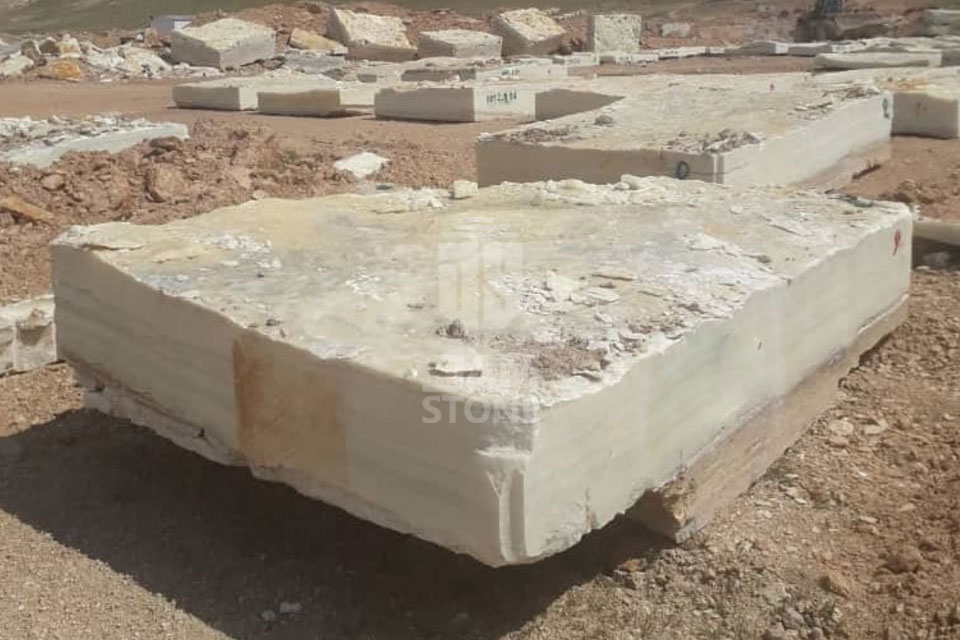
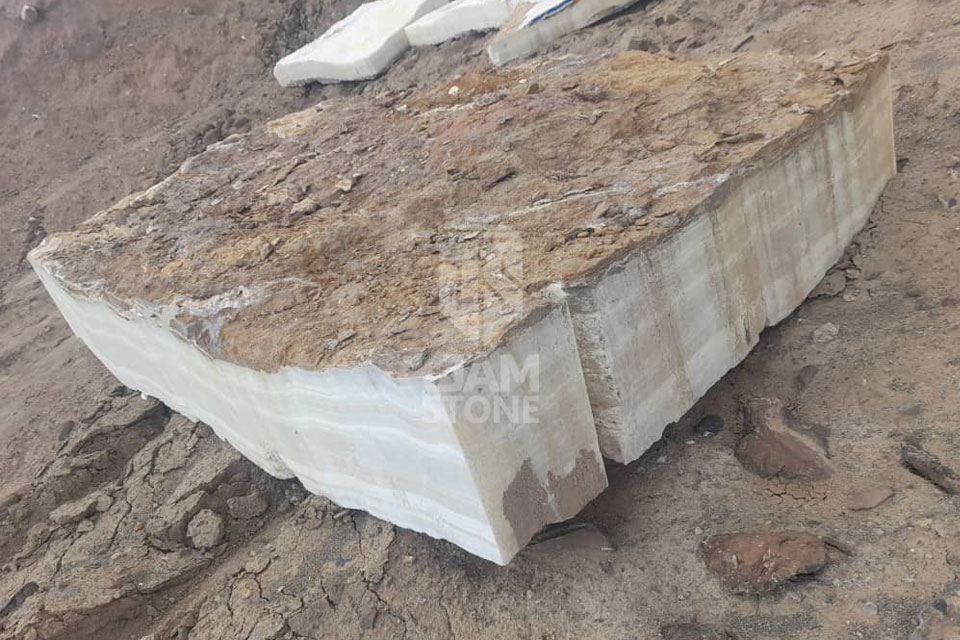
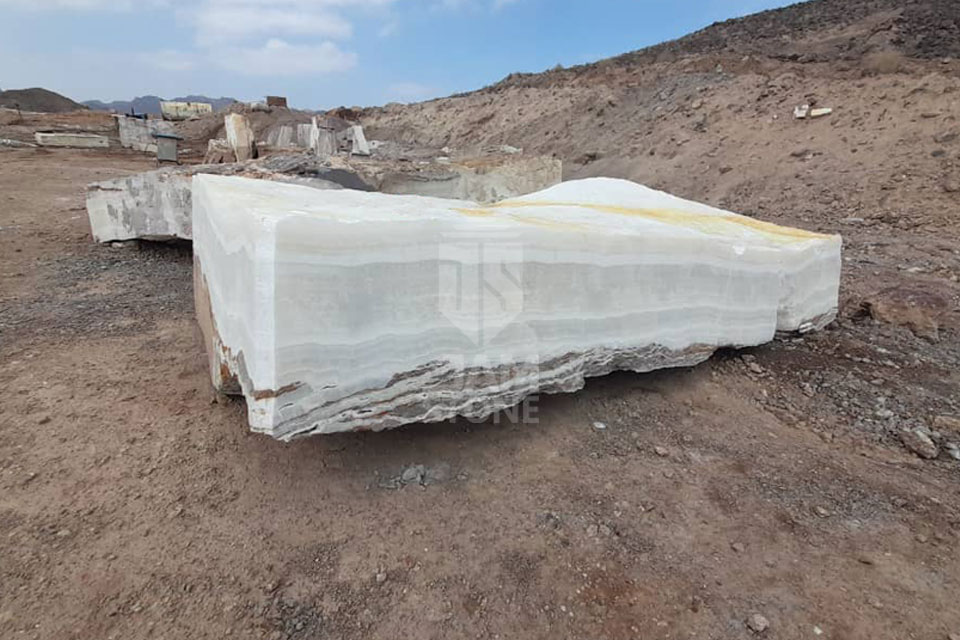
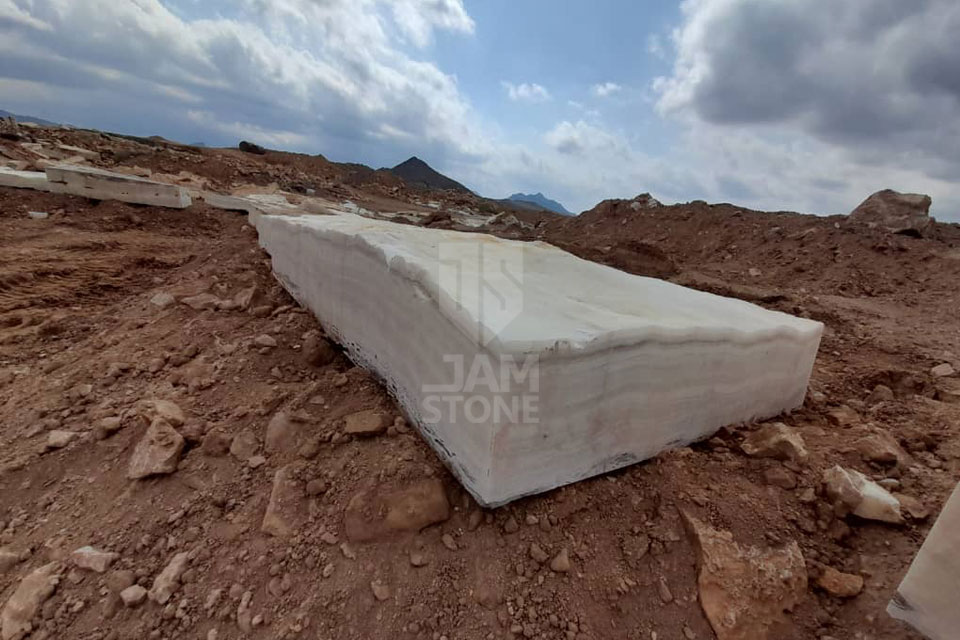
Onyx blocks trend smaller than many marbles, which influences maximum panel size and yield. Selection focuses on whiteness, translucency, and minimal structural discontinuities. After sawing, expect resin and mesh reinforcement. Record block and lot identifiers to maintain consistency across phased work and future maintenance replacements. Efficient nesting and take-off planning improve utilization and reduce waste in complex layouts.
Pure White Onyx is most effective in interior features where light control and visual calm matter. Typical uses include backlit walls, reception counters, display niches, fireplace surrounds, shower walls with proper sealing, stair risers, and furniture cladding. Residential floors are possible in low-traffic areas with protective mats, but heavy commercial floors are not advised. In kitchens, reserve it for display islands or cladding while placing active preparation on more robust surfaces. Finish selection supports the role: polished for dramatic statements, honed for calmer reflections, and fine-brushed where gentle texture improves touch and light diffusion.
Pricing for Pure White Onyx reflects visual purity, translucency, block size, processing quality, finish, thickness, and logistics. Because supply and grading vary by lot, quotations depend on the actual blocks and the project’s required formats. Premium grades aim for a very bright field with low inclusions and stable light transmission. Early coordination on bookmatching, thickness, and lighting helps align expectations and control fabrication and shipping costs. Careful nesting and approval of dry-lay maps can improve yields and minimize waste, which also influences the final price.
Premium lots emphasize high whiteness, minimal veining, and uniform translucency. Sub-premium may include soft veining or slightly warmer undertones. Light-test photos and batch certifications support grading and help ensure the intended appearance across connected elements, including bookmatched walls and long runs of cladding. Consistency here avoids visual breaks that would otherwise reduce perceived quality.
Larger blocks enable bigger panels and reduce seams, improving aesthetics and lowering waste. Onyx blocks often run smaller than marbles, so careful nesting and vein-direction planning are important. Dry-lay approvals and bookmatch maps prevent mismatches that could otherwise shrink usable yield on site. Improved yield directly affects unit costs across complex, multi-plane installations.
Precision sawing, transparent resin systems, and calibrated polishing preserve tonality and flatness. Specify low-yellowing epoxies for white stones. Mesh lamination should not telegraph through. Crisp edge finishing, consistent thickness, and controlled tolerances allow tight joints and clean reveals for high-visibility interiors. Documented QA steps reduce rework and delivery risks for schedule-sensitive projects.
Polished surfaces require higher polishing sequences and more defect remediation, typically adding cost. Honed and fine-brushed finishes demand careful slurry control to avoid discolouration. Anti-slip textures are uncommon for onyx; where specified, expect lower throughput and extra sealing, which may increase unit pricing. Finish also influences perceived tone under lighting, so mockups help avoid costly changes later.
Thirty millimetre sections improve rigidity for large spans or deep returns but add weight and cost. Large-format pieces command premium handling and packaging. For backlit assemblies, tight thickness tolerances improve light uniformity. Pre-mounting on light-transmissive substrates can raise fabrication cost but deliver cleaner, more even illumination. These decisions are best fixed early during submittals and mockups.
Output varies by quarry and season. White onyx needs careful crating with foam, corner protectors, and moisture barriers. Container optimization lowers damage risk and freight per square metre. Lead times depend on block selection, fabrication complexity, finish, and consolidated shipping schedules across projects. Early reservation of matched lots protects continuity for phased work and later maintenance replacements.
Extraction typically uses diamond wire saws and controlled splitting to preserve delicate layers. Blocks are graded for whiteness, translucency, and structural soundness. Selected blocks move to the factory for slab cutting, resin consolidation, and mesh reinforcement. Polishing is calibrated to maintain flatness and edge integrity. Before packing, teams perform dry-lay inspections, bookmatch checks, and light tests to validate appearance and translucency. Documentation at this stage makes later installation faster and reduces on-site surprises. Edge finishing, hole drilling, and cut-outs are completed with waterjet or CNC where required, then re-inspected under raking light.
Packing employs foam sheets, corner guards, and moisture-barrier wraps inside ISPM-15 wooden crates. Crates are labeled with batch numbers, thickness, finish, orientation arrows, and matching photo logs. Container layouts balance protection with yield. Shipping documents include packing lists and inspection records so site teams can stage deliveries, verify counts, and follow the intended installation sequence with minimal handling. Where climate or transit time demands it, additional moisture control and desiccants are included. Final pre-shipment checks confirm crate stability and strapping, reducing the chance of vibration damage during long hauls or cross-docking.
Use bright-white polymer-modified thinsets or white epoxies to prevent dark shadows behind the stone. Keep joints near two millimetres with colour-matched grout. After installation and curing, apply a penetrating sealer. In wet rooms, plan to re-seal on a 6–18 month interval depending on exposure and cleaning frequency. Avoid acidic products, metal scrubbers, and abrasive powders that can etch or scratch the surface. Where panels are backlit, confirm access to lighting components and allow heat to dissipate. Regular dusting and soft-cloth wiping keep the finish clear without grinding in grit.
Daily care centers on fast spill response and gentle products. Use pH-neutral cleaners and microfiber cloths. Place coasters under beverages and mats in heavy-use zones to limit micro-scratches. For small etch marks, a professional refinisher can re-hone and re-polish the area. These habits maintain the white field and preserve the refined look for hospitality and residential projects. Where active food preparation is unavoidable, designate cutting boards and sacrificial work surfaces nearby, keeping the onyx for display or serving only. Schedule periodic re-sealing checks to confirm water beading and stain resistance.
JAM Stone Co. manages integrated operations for Pure White Onyx, from block selection to calibrated polishing and cut-to-size fabrication. In-house checks cover flatness, edge quality, and translucency under controlled lighting. Teams prepare shop drawings for grain direction and bookmatching, then conduct dry-lay approvals before packing. As a trusted provider of Pure White Onyx, the company aligns production with project schedules and delivers consistent lots for large, connected interiors. Waterjet and CNC capacity support complex geometries for reception desks, stair details, and furniture cladding.
Quality assurance follows a multi-stage path: visual grading, light testing, flatness control, edge inspection, and final verification under raking light. Technical submittals, samples, and labeled mockups shorten approvals. Crating uses foam sheets, corner guards, and moisture barriers with clear orientation arrows and batch numbers. As a dependable supplier of Pure White Onyx, JAM Stone Co. supports international projects with predictable lead times, responsive logistics, and tailored cut-to-size packages. Clients receive photo logs and packing lists that map each piece to its intended position, reducing installation risk and rework.
Sourcing focuses on select belts in central and eastern Iran known for light, calcite-rich onyx. JAM Stone Co. maintains strong partnerships with quarry owners, securing reliable block allocation, steady colour continuity, and schedule stability. Selective benching, careful extraction, and early grading improve yield for bookmatched work. With direct access to material and established shipping channels as an experienced Exporter of Pure White Onyx, the company safeguards continuity for phased builds and future replacements. These relationships also enable quick sampling from multiple lots so designers can compare translucency and choose the best match.
Finished elements are separated with foam sheets, protected by corner guards, and wrapped with moisture barriers before loading into ISPM-15 wooden crates. Orientation arrows, batch and lot numbers, thickness, finish, and piece codes are printed on crate labels and included in photo logs. Crate design balances rigidity and yield, and container layouts minimize movement so pieces arrive ready for staged installation. For long routes or humid climates, additional desiccants and vapor checks are used. Final strapping and stability checks reduce vibration damage during multimodal transport.
is indeed one of the most exquisite and rare marble stones in the world, recognized for its pristine white color and high-quality properties.
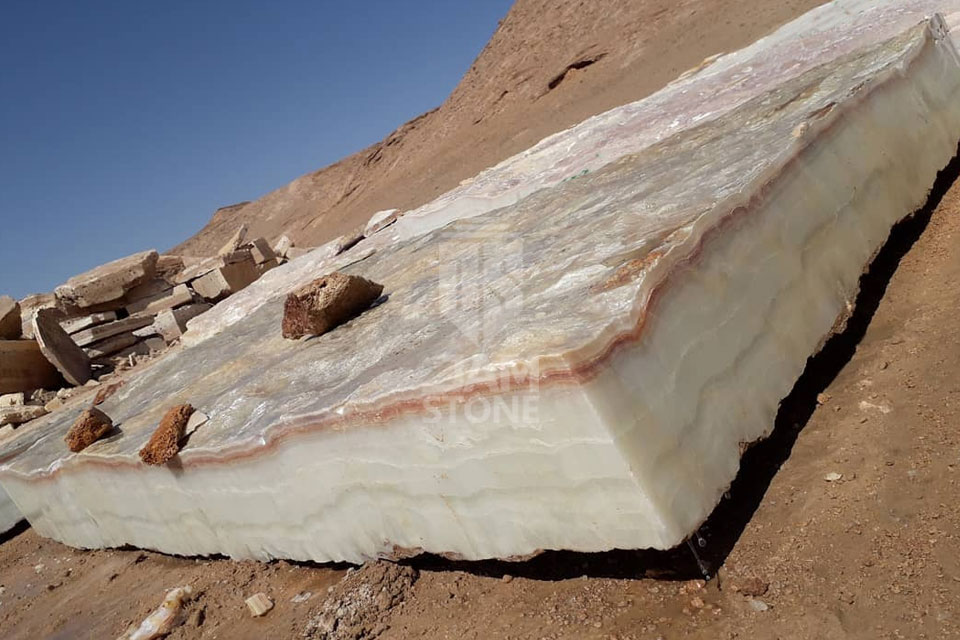
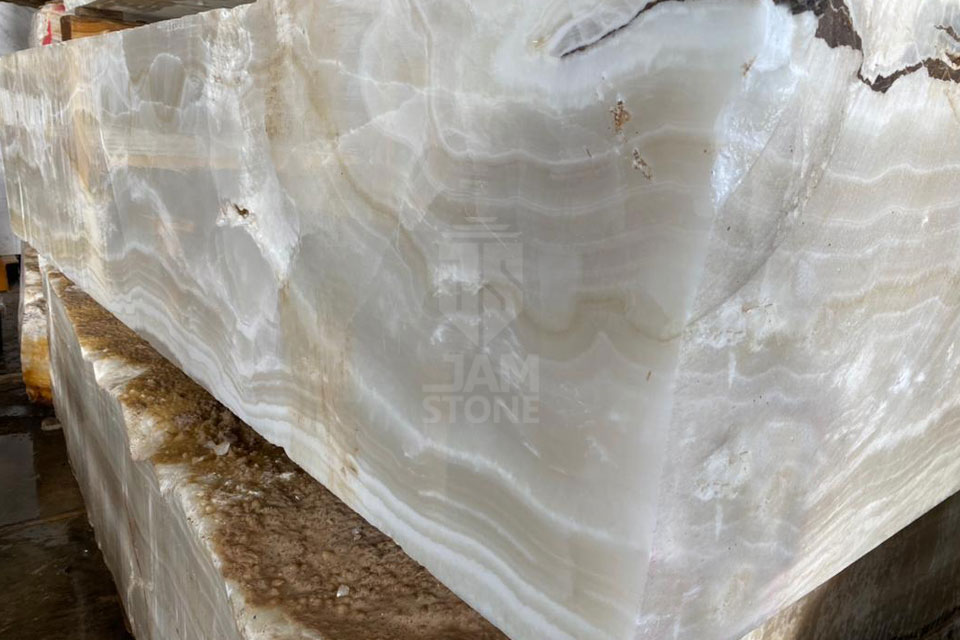
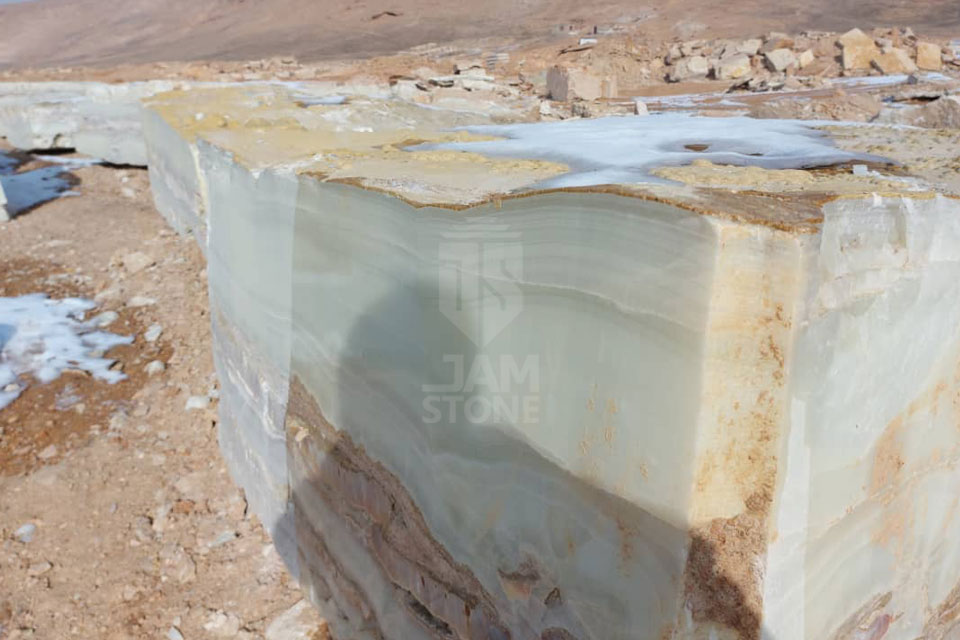
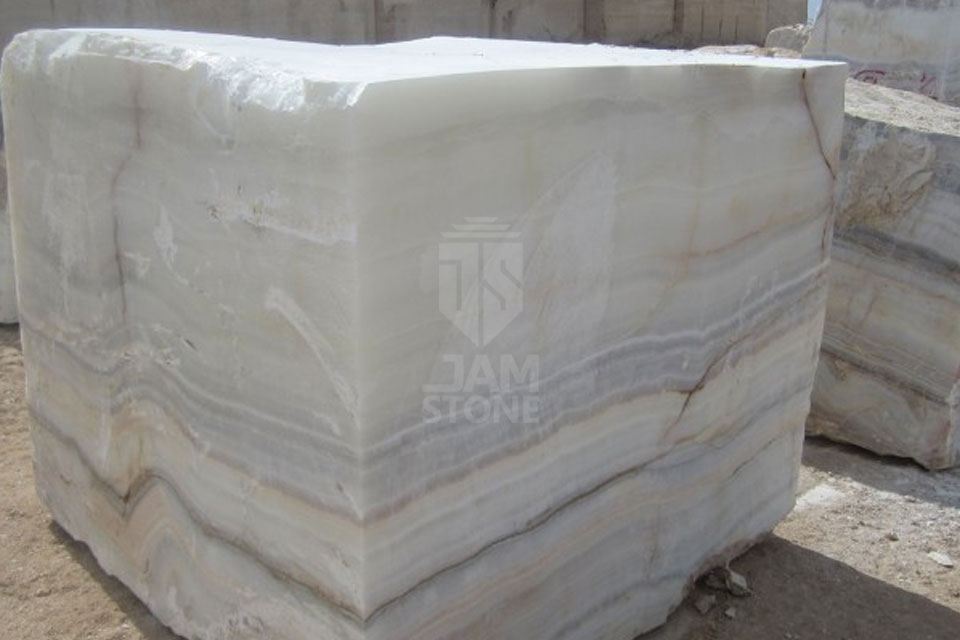
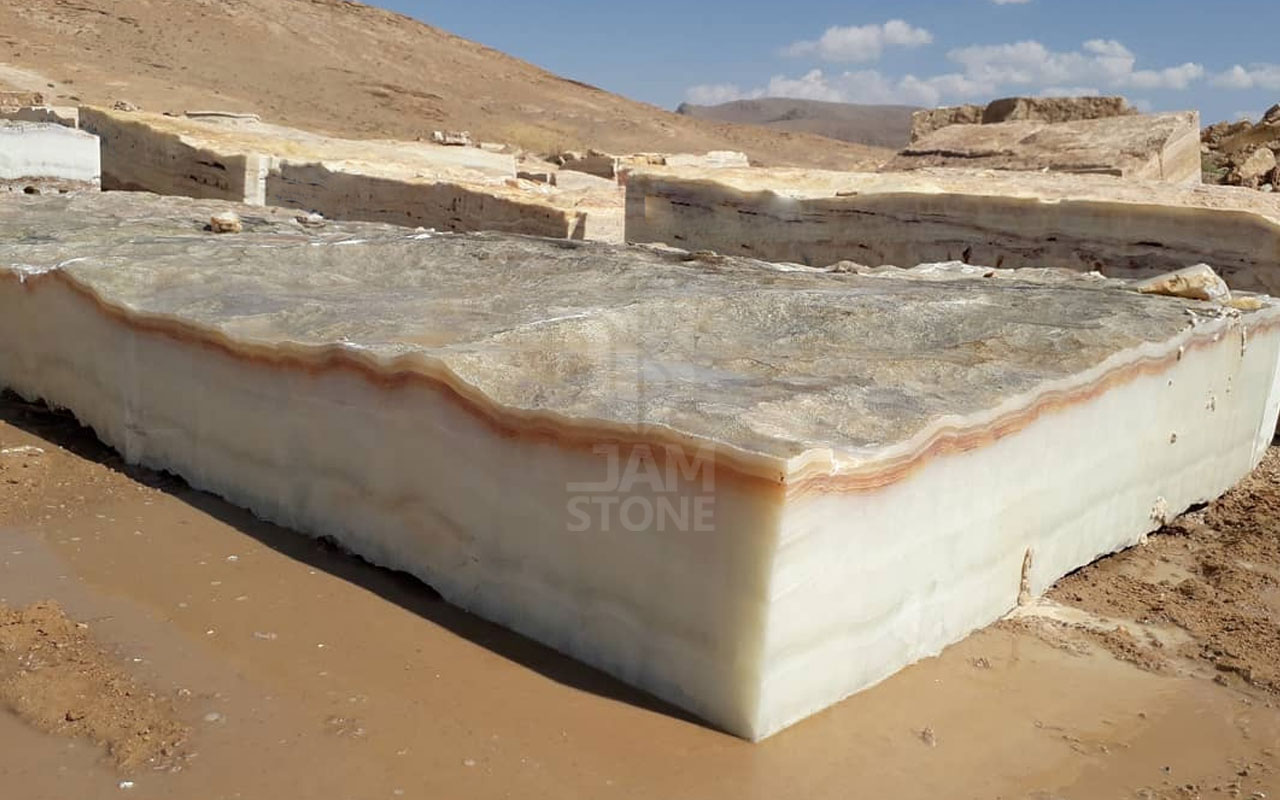
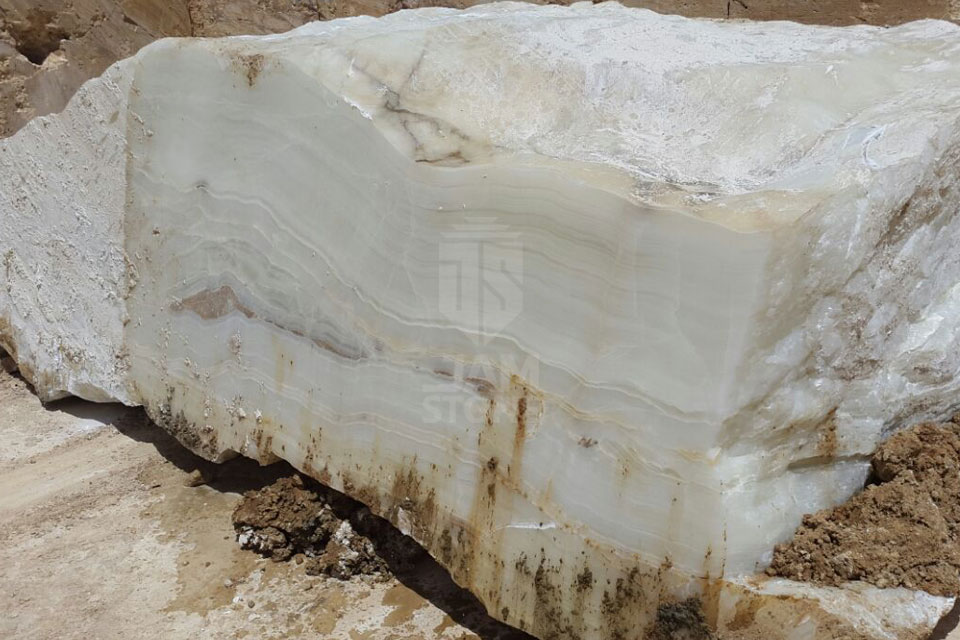
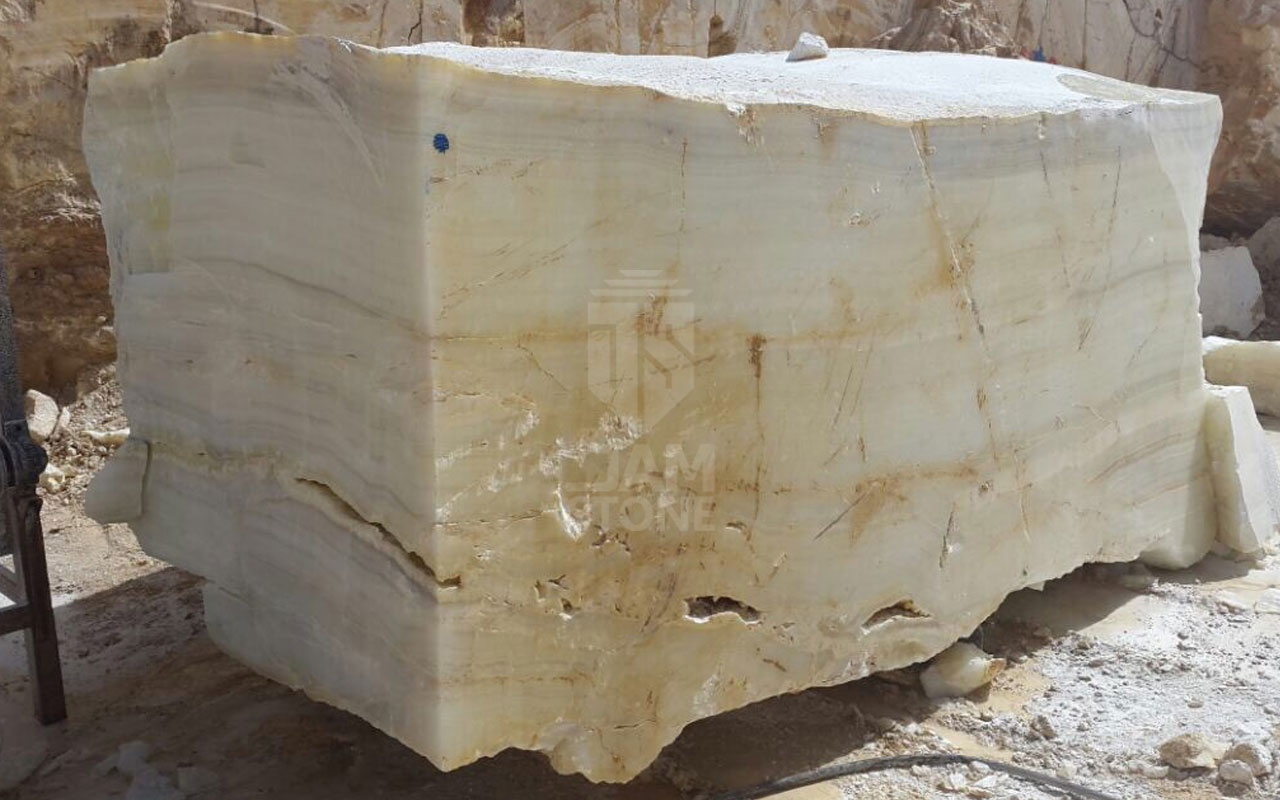
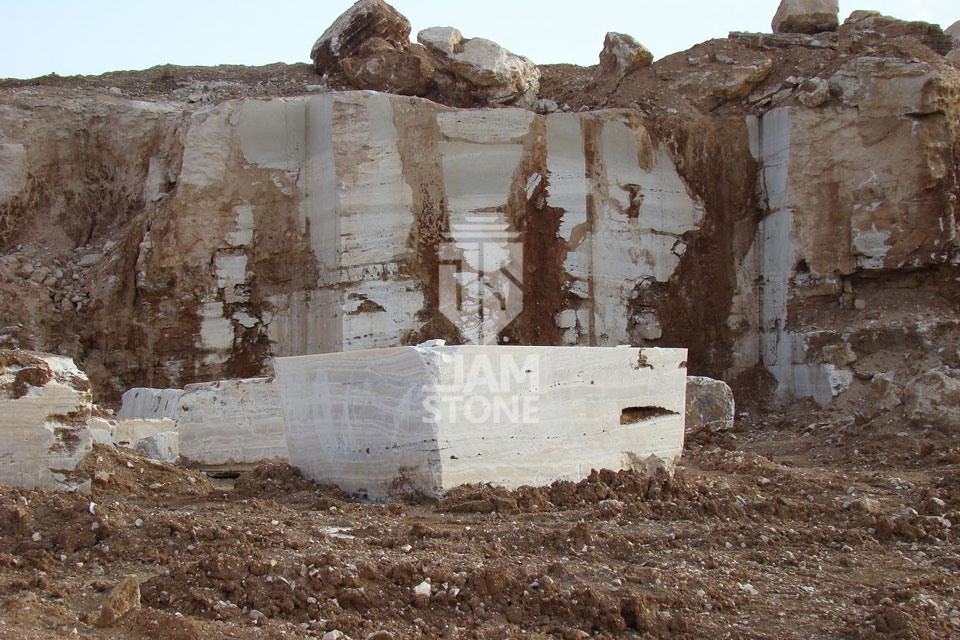
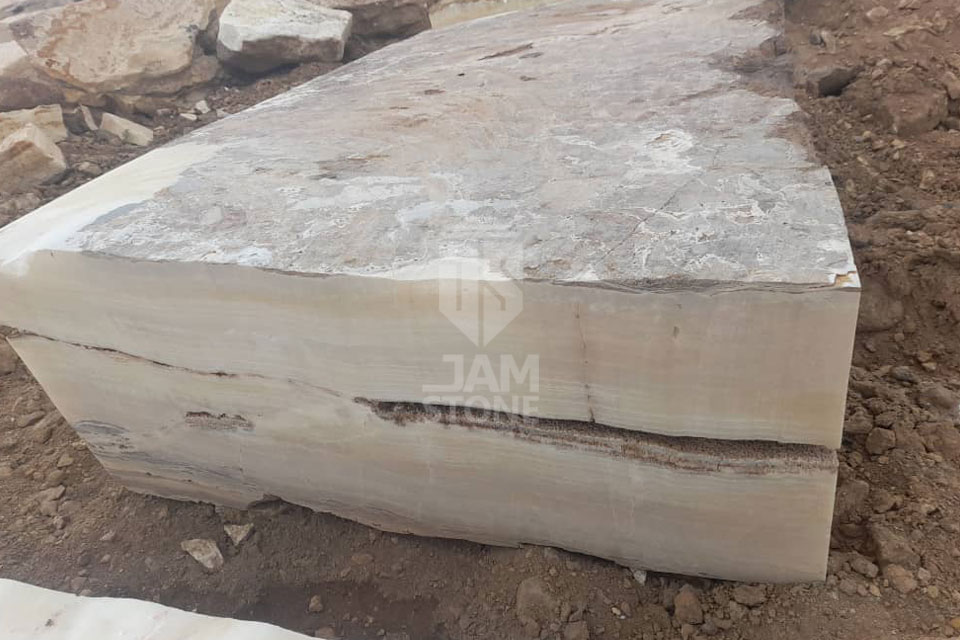
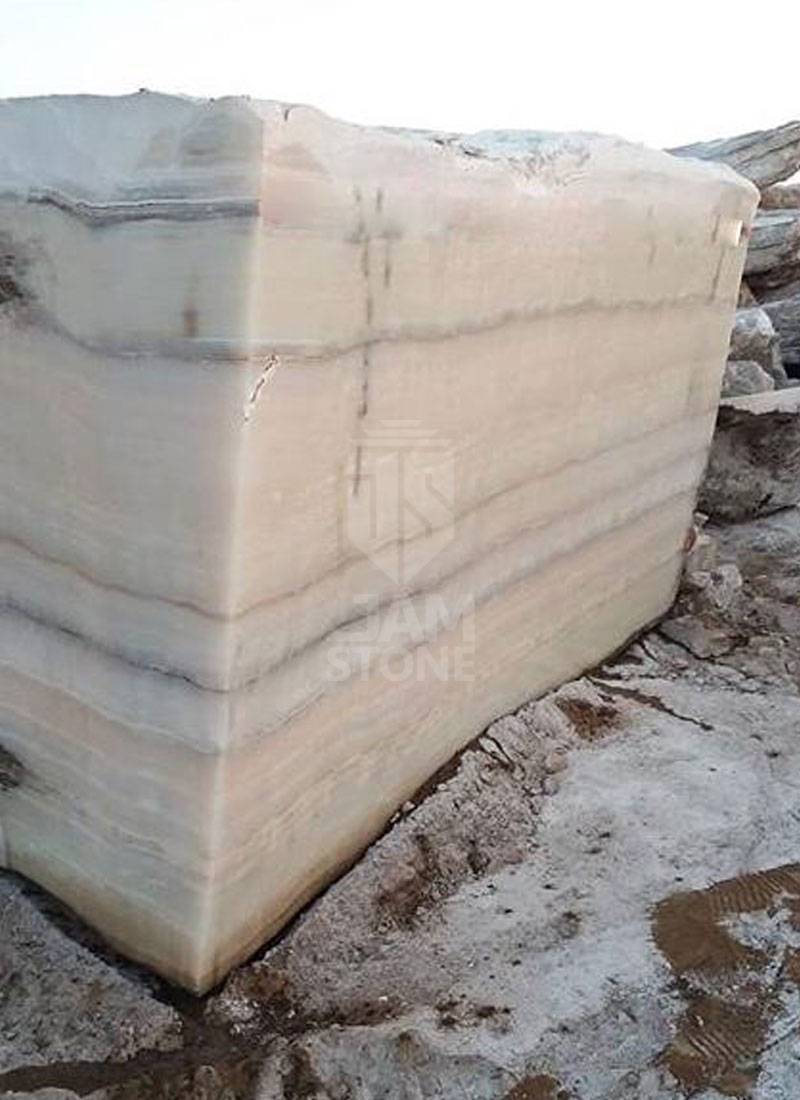

Pure White Onyx is highly sought after in international markets due to its exceptional aesthetic qualities and luxurious appeal. Prominent in high-end residential and commercial projects, it is exported globally from key producing regions like Iran, known for its superior purity and translucency. The stone’s unique ability to transmit light and achieve a mirror-like polish makes it particularly popular in upscale architectural designs, including hotel lobbies, premium residential interiors, and luxury retail spaces.